



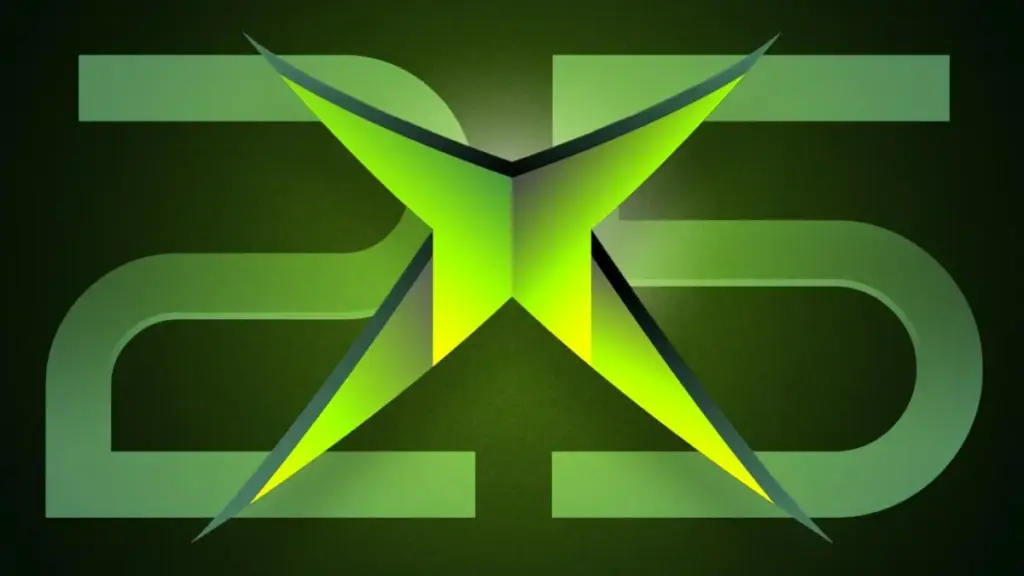
The career of a veteran games journalist often begins with a singular memory, and for many who covered Microsoft’s entry into the hardware space, it started on October 1, 2002. Hired by Official Xbox Magazine at a time when the original Xbox console was barely a year old, staffers quickly realized that the nascent system’s beating heart was one specific Halo: Combat Evolved.
Every single day at 5:00 PM, office consoles and televisions would flicker to life. Staffers would fire up Halo for a round or two of Capture the Flag on Blood Gulch before heading home, complete with fun and friendly banter. Halo was baked into the Xbox’s DNA from the very start, serving as the foundational pillar for thousands of subsequent memories covering the highs and lows of Microsoft’s pivot into the living room since November 15, 2001.
Thank goodness for Combat Evolved, in fact, because much of that inaugural year was remarkably bleak. A lot of C++ code was thrown at the wall, and most of it failed to stick. There were certainly standout moments, such as Capcom’s wildly ambitious vertical tank simulator, Steel Battalion, which retailed for $200 and shipped with a custom 40-button controller and foot pedals—a piece of hardware so specialized it would never be greenlit in today’s market. Meanwhile, The Elder Scrolls 3: Morrowind laid the groundwork for Xbox to eventually become a Western RPG powerhouse. Yet, first-party studios struggled to find their footing early on, occasionally publishing misfires like Blinx: The Time Sweeper.
Year Two
Thanks to Combat Evolved carrying the console through its first trip around the sun, things grew remarkably interesting in Year Two. While Halo provided the primary reason to buy the console initially, the critical second year was defined by three distinct forces: Xbox Live, Tom Clancy titles, and BioWare.
Xbox Live represented a massive gamble that paid off immensely. At a time when high-speed internet was far from ubiquitous and dial-up 56k modems still dominated American online infrastructure, Microsoft made a heavy bet on broadband by embedding an Ethernet port into every console. On November 15, 2002, Xbox Live officially launched. It arrived with titles like MechAssault, which brought an action-first take on MechWarrior to console audiences complete with an outstanding multiplayer suite, and a faithful port of the PC military FPS Tom Clancy’s Ghost Recon. Because participants utilized high-speed connections, matches were buttery smooth and nearly free of latency. Furthermore, every starter kit shipped with a chat headset. Without party chat features yet available, players openly communicated, while a $50 annual subscription fee kept trolls largely at bay.
Just two days later, Ubisoft released Splinter Cell exclusively for the platform. Featuring the sardonic, effortlessly cool Sam Fisher—voiced by Michael Ironside—the single-player stealth title dazzled players with real-time lighting, creative spy gadgets, and stellar gameplay that showcased the console’s graphical capabilities.
The Tom Clancy brand became firmly entrenched in the ecosystem throughout 2003 with the arrival of Rainbow Six 3. Alongside striking visuals and Dolby 5.1 surround sound, the game introduced voice commands for AI squadmates via the Xbox Live headset. Reviewers and players alike could shout orders like "Go! Go! Go!" while stacked outside a door. More importantly, the title dominated Xbox Live as its first true killer app, occupying the top spot on Microsoft’s most-played charts for months.
The summer of 2003 also delivered Star Wars: Knights of the Old Republic, an epic role-playing masterpiece set thousands of years before the film trilogy. Allowing players to fully embrace either the Light Side or the Dark Side of the Force—including committing unprecedented acts of villainy—KOTOR single-handedly legitimized RPGs on the console.
The year’s catalog further expanded with the Grand Theft Auto Double Pack, Max Payne 2, and class-based multiplayer shooter Return to Castle Wolfenstein: Tides of War. First-party efforts finally gained momentum with successes like Crimson Skies: High Road to Revenge and Project Gotham Racing 2, alongside sports titles linked to the short-lived XSN initiative.
Halo Freakin’ 2
Xbox’s third year capitalized on prior momentum with a stellar 2004 lineup. It began with Ninja Gaiden, a brutal and glorious 3D action revival spearheaded by Tomonobu Itagaki and Team Ninja. Originally teased via playable demo discs that sold tens of thousands of copies, the title cemented itself as a benchmark for pure action design.
Shortly after, Splinter Cell: Pandora Tomorrow introduced the revolutionary "Spies vs. Mercenaries" multiplayer mode. Pitting third-person perspective operatives against first-person heavily armed guards, the asymmetrical mode featured iconic mechanics, such as a proximity chat that activated the moment a spy sneaked up to snap a guard’s neck. Other critical darlings included The Chronicles of Riddick: Escape from Butcher Bay and Peter Molyneux’s ambitious action-adventure franchise launcher, Fable.
Then came Halo 2, a cultural phenomenon whose November 9, 2004 release generated unprecedented hype in an era predating modern social media. Previewed extensively through closed-door E3 multiplayer sessions on maps like Zanzibar and later at a dedicated studio hands-on event, the sequel delivered dual-wielding, vehicle boarding, and refined graphics. For its world-exclusive review, editors even negotiated a special, sealed-page spread in print to hide the surprise reveal of a remade Blood Gulch map, renamed Coagulation.
The Road to Next-Gen
As the original hardware cycle wound down, 2005 proved pivotal. March brought Splinter Cell Chaos Theory, which earned near-perfect critical acclaim through its refined sandbox stealth, expanded Spies vs. Mercenaries matches, and pioneering two-player cooperative campaign. Id Software followed with an exclusive console port of Doom 3, while BioWare delivered Jade Empire. Additional highlights included Psychonauts, Forza Motorsport, Grand Theft Auto: San Andreas, Conker: Live and Reloaded, and a historic console port of Valve’s Half-Life 2.
Simultaneously, whispers of the next-generation hardware—codenamed Project Xenon—intensified. Magazine staff were required to secure their offices behind locked doors to protect preview details. During E3 2005, a brief, unauthorized hands-on with a development kit running Top Spin 2 offered early interaction with the revised controller design that would heavily influence future gamepads.

On November 22, 2005, the Xbox 360 launched. Although the hardware later suffered from the widespread "Red Ring of Death" hardware failure scandal, the system maintained immense popularity, anchored by a strong day-one lineup featuring Call of Duty 2, Project Gotham Racing 3, and titles from Rare like Perfect Dark Zero and Kameo.
Glory Days
The years 2006 and 2007 represented the absolute peak of the platform’s generation. February 2006 delivered Fight Night Round 3, marking the first true high-definition graphical leap. It was followed by Ghost Recon Advanced Warfighter and The Elder Scrolls 4: Oblivion, the latter of which consumed dozens of hours of review time in Bethesda’s basement before dominating player libraries. Later that year brought Dead Rising, Gears of War, and Rainbow Six Vegas.
The autumn of 2007 delivered an astonishing concentration of critically acclaimed releases within a tight three-month window, including BioShock, Halo 3, The Orange Box, Call of Duty 4: Modern Warfare, Assassin’s Creed, Mass Effect, and Rock Band. Earlier months featured hits like Lost Planet, Crackdown (noted for housing the Halo 3 multiplayer beta), Forza Motorsport 2, and The Darkness.
Concurrently, the pioneering digital download service Xbox Live Arcade laid the groundwork for indie game distribution, eventually spawning the curated "Summer of Arcade" events that introduced titles like Limbo, Braid, and Castle Crashers. However, a major structural shift occurred shortly after Halo 3 launched, when developer Bungie announced its split from Microsoft to become independent, leaving behind a final prequel, Halo: Reach, in 2010.
Kinect and the Pursuit of the Wii’s Casual Gamer Audience
In 2009, Microsoft unveiled Project Natal, later branded as Kinect—a motion-sensing peripheral designed to rival the casual gaming audience captured by Nintendo’s Wii. Famously introduced at an E3 event featuring Cirque du Soleil performances where attendees wore glowing "space ponchos," Kinect initially drove immense sales.
However, in hindsight, the heavy pivot toward motion controls and multimedia applications like Netflix caused leadership to lose focus on the core gaming audience that had propelled the Xbox 360 to market parity in North America. While casual titles like Dance Central and Kinect Sports found commercial success, they failed to satisfy the core demographic that valued powerful hardware and traditional first-party exclusives.
How PlayStation 4 Killed Xbox One With a Single 21-Second Video
May 21, 2013 marked the formal unveiling of the next-generation console, the Xbox One (codenamed Durango). Rather than addressing core gamers, Microsoft heavily emphasized "all-in-one" living room television integration and Kinect functionality, sparking widespread criticism over its entertainment-first focus.
At E3 a few weeks later, executive Phil Spencer announced a $499 price point for the console, which bundled the mandatory Kinect sensor—costing $100 more than its predecessor. Later that day, Sony countered decisively during its own press conference, highlighting policies that permitted used game trading, offline play, and no mandatory 24-hour online authentication checks. Amplified by a viral instructional video mocking used game restrictions and a lower $399 price tag for the more powerful PlayStation 4, Sony secured a massive competitive advantage.
Silver Linings
Following swift policy reversals regarding online checks and used games, Microsoft faced an uphill battle throughout the generation, ultimately trailing its competitor significantly in lifetime console sales.
Despite these challenges, the era produced notable highlights. Respawn Entertainment delivered the acclaimed exclusive multiplayer shooter Titanfall, Insomniac Games developed Sunset Overdrive, and Playground Games launched the Forza Horizon franchise, which quickly evolved into an open-world racing juggernaut. Additionally, the mid-cycle hardware refresh, the Xbox One X, successfully reclaimed the title of the most powerful console on the market by offering native 4K gaming.
You Gotta Spend Money to Make Money
Facing a shortage of proprietary first-party titles late in the Xbox One lifecycle, Microsoft launched Xbox Game Pass—a subscription model styled as a "Netflix for games"—and initiated an aggressive studio acquisition strategy. This expansion culminated in multi-billion-dollar purchases of major publishers like Bethesda and Activision Blizzard.
Concurrently, Microsoft began experimenting with multiplatform publishing, bringing select titles to competing platforms like the PlayStation 5 and Nintendo Switch. While Xbox Game Pass attracted millions of subscribers, the shifting strategy raised questions among consumers regarding hardware exclusivity. Meanwhile, the Xbox Series X launched successfully in late 2020 as a quiet, powerful piece of hardware, though industry-wide supply chain disruptions and rising component costs eventually pushed retail prices upward.
A New Era Begins
Following the retirement of longtime Xbox leader Phil Spencer, Asha Sharma stepped in to helm the division, instituting immediate and sweeping operational changes. The Xbox Game Pass Ultimate subscription price was adjusted downward, the polarizing "This is an Xbox" marketing campaign was scrapped, and the Halo franchise management was shifted toward Activision to increase release frequency. Leadership also canceled unannounced projects, restructured internal teams, and signaled a renewed commitment to platform exclusivity alongside the announcement of a next-gen console-PC hybrid codenamed Project Helix.
Entering its second quarter-century, the brand faces a rapidly evolving landscape. With major franchises like Fable, Gears of War, and future Bethesda releases like The Elder Scrolls 6 on the horizon, the platform continues to navigate the complexities of modern gaming, ensuring its legacy remains a central chapter in video game history.