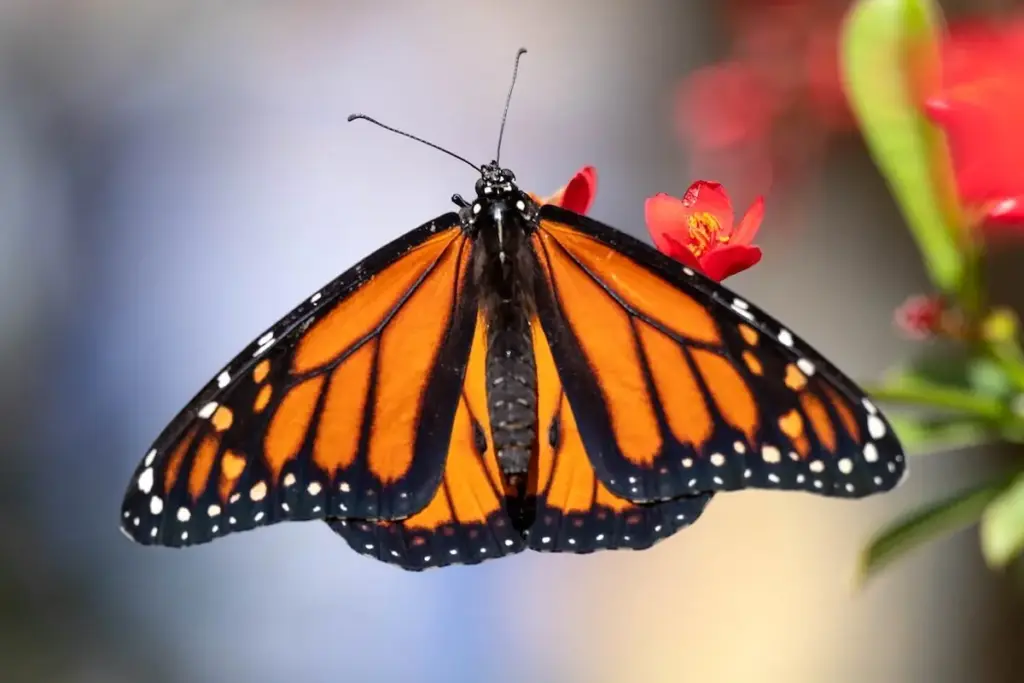
A new peer-reviewed study has identified pesticides as the likely culprit behind a devastating mass die-off of Western monarch butterflies that occurred in early 2024. The findings shed crucial light on the chemical threats facing these iconic insects during some of the most vulnerable periods of their annual migration cycle.
In January 2024, researchers made an alarming discovery near the Pacific Grove Monarch Sanctuary in California, a prime location where Western monarch butterflies typically gather to overwinter. Hundreds of monarch butterflies were found dead or dying on the ground, displaying clear, distressing signs of neurotoxic pesticide poisoning. This prompted an in-depth scientific investigation, utilizing advanced testing and analysis, the results of which have now been published in the journal Environmental Toxicology and Chemistry.
To uncover what happened to the butterflies, the research team analyzed the deceased specimens using sophisticated analytical techniques, including liquid chromatography, gas chromatography, and mass spectrometry. These precise methods revealed a disturbing chemical cocktail: the butterflies were contaminated with a mix of 15 different insecticides, herbicides, and fungicides.
"We found an average of seven different pesticides per butterfly, including multiple insecticides that are highly toxic to insects," said Staci Cibotti, lead author of the study and a pesticide risk prevention specialist at the Xerces Society for Invertebrate Conservation, in a public statement. "Although a review by Monterey County could not determine the source of the chemicals, the high levels detected suggest that insecticides were likely responsible for the monarch deaths."
According to the study’s data, three manufactured pyrethroid insecticides—specifically bifenthrin, cypermethrin, and permethrin—were present at or near lethal doses. The chemical footprints were widespread across the samples: every single butterfly tested contained bifenthrin and cypermethrin, while all but two samples tested positive for permethrin.
Cibotti explained that Western monarch butterflies overwinter along the Pacific coast, a habitat that puts them into close proximity with agricultural lands and urban development. Because of this geography, they remain acutely vulnerable to pesticide residue and chemical drift carried from nearby farms, residential neighborhoods, and commercial properties.

The timing of this die-off compounds an already severe conservation crisis. According to annual data from the Xerces Society’s Western Monarch Count, monarch populations plummeted to the second-lowest number ever recorded in 2024. The situation deteriorated further by 2025, when the total count of overwintering Western monarchs fell to just 9,119 individuals.
The long-term trajectory for the species is equally grim. The Western monarch butterfly population has experienced a catastrophic decline of nearly 95 percent since the 1980s. Consequently, migratory monarch butterflies are officially listed as endangered by the International Union for Conservation of Nature (IUCN). Furthermore, assessments by the U.S. Fish and Wildlife Service, cited by the Los Angeles Times, have indicated that Western monarch butterflies face an alarming 99 percent chance of extinction by the year 2080.
Given these bleak projections, mitigating the lethal effects of chemical exposure has become an absolute priority for conservationists. In the wake of the study’s findings, the Xerces Society has outlined a series of recommended actions aimed at shielding the butterflies from further harm. These recommendations include ramping up public education regarding pesticide risks and safer chemical alternatives, establishing designated pesticide-free buffer zones around known overwintering habitats, integrating stronger pesticide exposure protections into official conservation and recovery blueprints, and fostering better coordination and tracking of pesticide-related risks by public officials and regulatory bodies.
"Protecting monarchs from pesticides will require both public education and policy change," Emily May, co-author of the study and agricultural conservation lead at the Xerces Society, noted in a statement. "Estamos committed to working with communities and decision-makers to ensure that overwintering sites are healthy refuges for these butterflies."
Expanding on the implications of the research, lead author Staci Cibotti emphasized that the threat extends far beyond a single isolated event in California. Pesticide exposure remains a pervasive, systemic danger to monarchs across their entire geographic range. These chemicals are heavily utilized not only within industrial agriculture, but also across highly developed landscapes for structural pest control, home gardening, residential landscaping, turf management, mosquito abatement, and more. Even natural areas sometimes see chemical applications to manage forest pests and localized disease vectors, and all of these diverse uses carry hidden risks for pollinators.
Cibotti also highlighted the compounding danger of timing. Another key takeaway from the Pacific Grove incident is just how profoundly vulnerable monarchs are during their migration and overwintering phases. Because these are periods when butterflies congregate in massive numbers, even a single, localized pesticide application possesses the devastating potential to wipe out hundreds—or thousands—of individuals at once.
This phenomenon is not entirely unprecedented. A strikingly similar mass-mortality event occurred in North Dakota in September 2020, when hundreds of monarch butterflies were found dead following an aerial mosquito control spray that coincided precisely with their annual migration. Because migration and overwintering represent exceptionally sensitive windows in the monarch’s biological cycle, researchers stress that dramatically reducing pesticide exposure during these exact periods is vital. Doing so is necessary not only to prevent immediate, catastrophic losses, but also to support the population’s fundamental ability to rebound in the spring and achieve long-term ecological recovery.