

This article is sponsored by JustFoodForDogs. Vetstreet maintains editorial control and may earn a commission from qualifying purchases, at no extra cost to you.
The pet food landscape has shifted dramatically over the last decade, with fresh, gently cooked dog food emerging as a highly visible alternative to traditional dry kibble. For many pet owners, the appeal of recognizable ingredients and human-grade formulations is strong. However, when navigating this rapidly growing market, a critical question arises: Do veterinarians actually recommend fresh dog food?
The short answer is that a veterinarian may very well recommend a suitable, cooked fresh recipe for an individual dog, but the term "fresh" on its own is not a blanket nutritional endorsement. A proper veterinary recommendation must connect a recipe’s specific formulation, manufacturing evidence, and feeding protocols directly with a dog’s life stage, health status, and daily metabolic needs.
While research exists on specific fresh diets—including formulations developed by JustFoodForDogs—interpreting this data requires a careful eye. Pet owners must learn to distinguish a specific study endpoint, such as digestibility, from broader marketing promises about lifelong health. Understanding how to evaluate this scientific evidence is the first step in having a productive, informed conversation with your veterinarian.
Decoding the "Vet Recommended" Label in Fresh Dog Food
When searching for the best food for a canine companion, pet owners frequently encounter the phrase "vet recommended." In the world of pet food marketing, however, this phrase can carry several distinct meanings that should not be treated as interchangeable.
In some cases, "vet recommended" means a specific diet was formulated with the direct input of veterinary nutritionists to ensure nutritional adequacy. In other instances, it refers to a clinical recommendation made by a practicing veterinarian for a specific patient under their care. Finally, it may simply be a broad marketing claim based on a brand’s internal survey of a small group of clinicians.
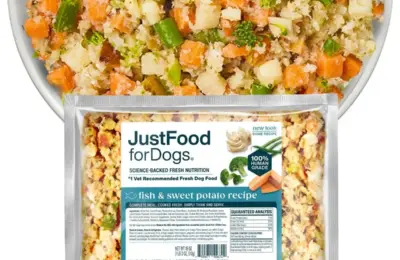
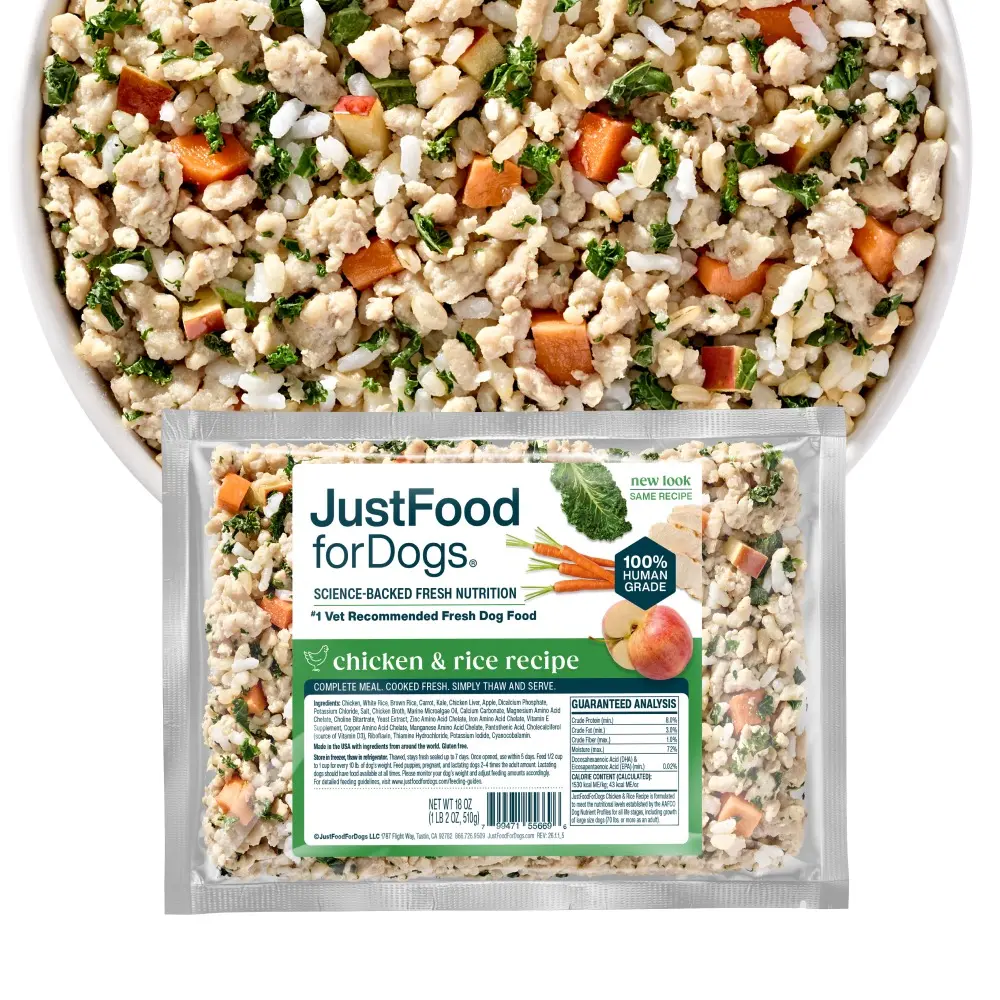
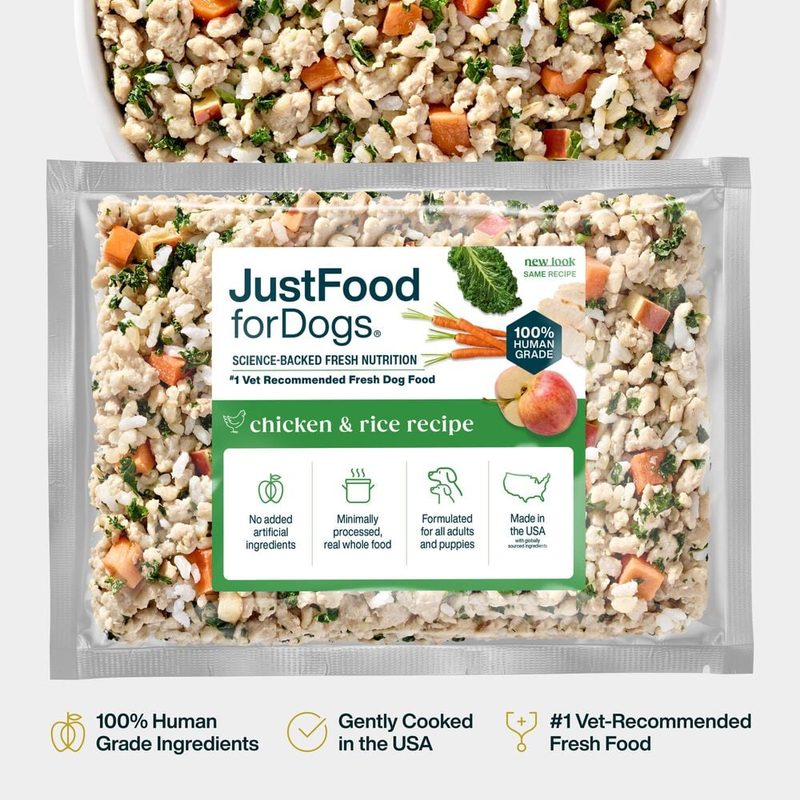
Because of these varying definitions, pet owners should always ask what a brand’s recommendation claim actually means in practice. Prepared cooked options, such as JustFoodForDogs Fresh Frozen meals, provide a concrete starting point for these veterinary discussions. Rather than seeking a blanket endorsement for the entire category of fresh food, the goal of a veterinary consultation should be to narrow down the choices to a specific recipe and portion size that fits the individual dog.
It is also important to evaluate a potential fresh diet against the dog’s current food. When reading reviews or debating whether fresh food is inherently superior to dry kibble, it is vital to identify the primary reason for wanting to make a switch. A complete and balanced kibble does not suddenly become nutritionally inadequate simply because a fresh option is available on the market. Before transitioning, pet owners should ask what a proposed fresh recipe will realistically improve for their dog, and what clinical observations will be used to monitor and evaluate the success of the transition.

The Clinical Checklist: What Veterinarians Evaluate Before a Diet Change
Before recommending any diet, a veterinarian will perform a comprehensive assessment that begins with the individual patient. This clinical evaluation takes into account the dog’s age, expected adult size (particularly for growing large-breed puppies), body condition score, medical history, daily activity level, and actual current food intake. A specific diet may be highly appropriate in one clinical situation and a poor match in another, without either conclusion serving as a universal judgment on fresh food as a category.
To help guide pet owners and clinicians through this evaluation, the World Small Animal Veterinary Association (WSAVA) provides a global food-selection guide. The WSAVA guidelines outline critical questions regarding a manufacturer’s formulation expertise, internal quality control measures, commitment to scientific research, and the availability of detailed nutrient information. It is important to note that WSAVA does not issue an official "approval seal" for pet food brands; instead, its questions are designed to help veterinary teams and pet owners thoroughly investigate the credibility of a manufacturer.
Understanding the Role of the Label
The product label serves as the primary starting point for any nutritional evaluation. Pet owners must verify the product’s statement of nutritional adequacy to ensure it is formulated for the dog’s specific life stage (such as growth, adult maintenance, or all life stages). It is also crucial to distinguish a complete and balanced main diet from a product intended only for intermittent or supplemental feeding.
According to the U.S. Food and Drug Administration (FDA), complete-and-balanced claims must be substantiated either through formulation to meet established nutrient profiles or through successful animal feeding trials. While the Association of American Feed Control Officials (AAFCO) establishes these nutrient standards, AAFCO itself is a voluntary membership association and does not directly test, regulate, or approve individual pet food products.
Additionally, transitioning a dog to a fresh diet requires a highly precise calorie management plan. Because fresh foods contain significantly higher moisture levels than dry kibble, the physical volume and serving weight of a fresh meal will differ substantially from a dry diet providing the exact same caloric intake. When managing specific health conditions, a veterinarian may need to request a manufacturer’s typical nutrient analysis—which measures nutrient levels per unit of energy (calories) rather than by weight—to ensure the food meets the patient’s precise metabolic requirements.
Preparing for the Consultation: Diet History and Practical Goals
If you are searching for a fresh diet, it is best to treat online recommendations as a preliminary guide rather than a final decision. A dietary recommendation that overlooks a dog’s specific daily intake and clinical history is far less useful than a tailored explanation of why a specific, complete recipe is appropriate.
To get the most out of a veterinary appointment, pet owners should provide a comprehensive history of everything the dog consumes. This goes far beyond the brand of main dog food listed on the package. A complete diet history must include all treats, dental chews, table scraps, dietary supplements, and any additional food items administered by other caregivers in the household. These extras can significantly alter a dog’s total daily calorie intake and disrupt the overall nutrient balance of the primary diet. Writing down these items and their approximate quantities before the clinic visit allows the veterinary team to evaluate the entire feeding routine as a whole.
It is equally helpful to clarify the practical motivations behind the desire to switch foods. A pet owner might be seeking the convenience of a prepared cooked meal, looking for more manageable packaging sizes, or attempting to address a recent change in their dog’s appetite. Each of these motivations represents a different clinical starting point. A practical feeding preference can easily guide the final selection of a safe food format, whereas a sudden change in a dog’s appetite or digestion may point to an underlying medical issue that requires diagnostic assessment before any dietary transition is made.
Analyzing the Science: What Fresh-Food Studies Do and Do Not Prove
To evaluate manufacturer claims objectively, pet owners must understand what different types of scientific studies are designed to measure. Not all research is created equal, and different study designs answer fundamentally different biological questions.
Mapping Claims to the Hierarchy of Evidence
To properly interpret pet nutrition research, it is helpful to break down what different types of evidence can and cannot establish:
- Nutrient Analysis: This testing establishes the precise chemical composition and nutritional makeup of the finished food. However, a nutrient analysis alone cannot predict long-term health outcomes, palatability, or how well an individual dog will thrive on the diet over several years.
- Adequacy Feeding Trials: These protocols evaluate whether a diet maintains basic health and physiological markers in a cohort of dogs over a specified period. While they confirm that a food meets defined safety and adequacy criteria under strict trial conditions, they do not establish that the tested diet is superior to all other commercial options.
- Digestibility Studies: These studies measure the proportion of nutrients and energy that are successfully absorbed by the animal rather than lost in the feces. While highly valuable for assessing digestive performance, a digestibility study does not, by itself, serve as proof of a longer lifespan or the prevention of chronic disease.
- Clinical-Outcome Research: This type of research evaluates specific health changes or therapeutic responses within a targeted population of dogs. While it provides strong evidence for the precise question being studied, its findings cannot be broadly generalized to imply benefits beyond the measured parameters or to healthy populations.
Keeping these distinctions in mind makes it much easier to evaluate brand claims. Rather than simply counting the number of scientific links on a manufacturer’s website, pet owners should ask exactly which clinical outcome each cited study actually supports.
A Look at Recipe-Specific Research
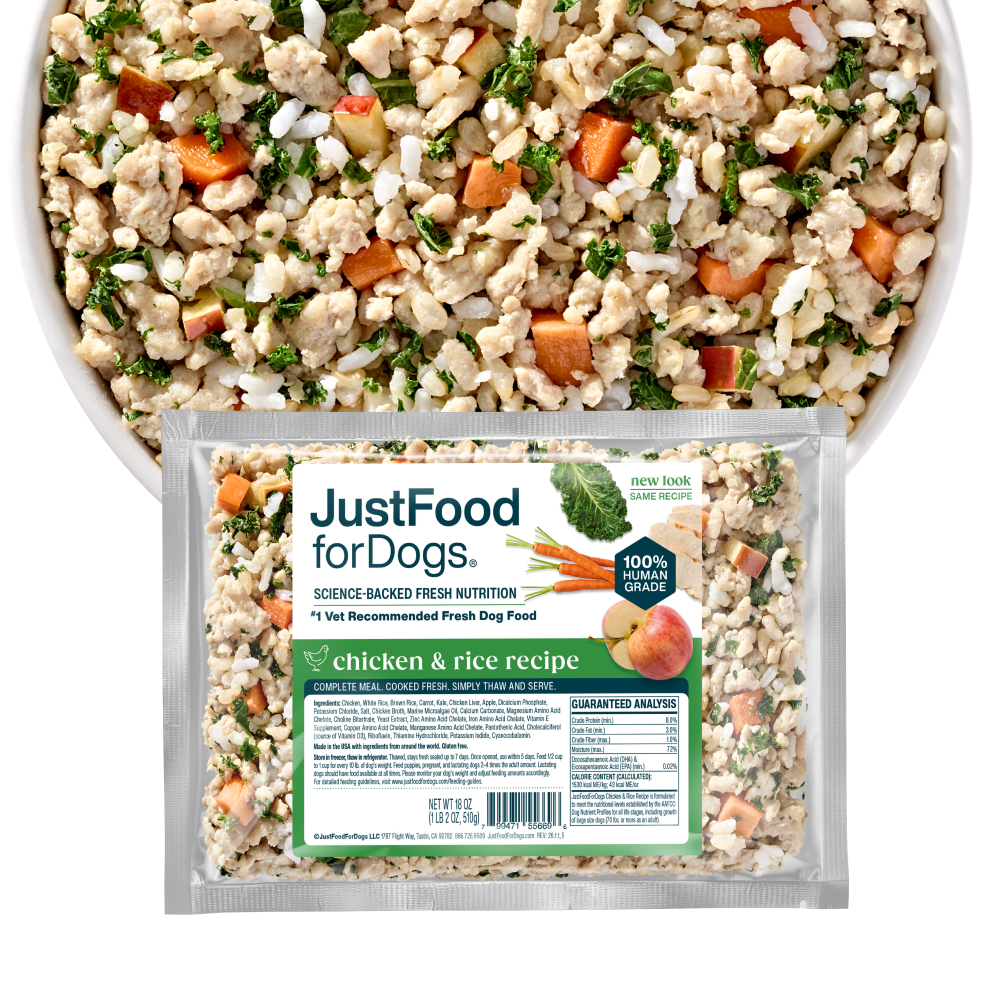
A notable example of recipe-specific research is a peer-reviewed study published in 2021 titled Nutrient digestibility and fecal characteristics, microbiota, and metabolites in dogs fed human-grade foods. This study, which evaluated four commercial diets, included two specific JustFoodForDogs human-grade recipes: Beef & Russet Potato and Chicken & White Rice.
Conducted by researchers at the University of Illinois, the study utilized 12 healthy adult dogs in a replicated, four-diet crossover design, with each feeding period lasting 28 days. The published findings indicated that the dogs fed the human-grade fresh diets exhibited greater nutrient digestibility and produced significantly less fecal output compared to those fed a standard extruded dry comparison diet.
These findings provide a concrete, scientific basis for discussing the digestive performance of these specific recipes. However, the details of the study’s comparison are highly important. Because the tested diets differed simultaneously in their ingredients, overall nutrient profiles, and processing methods, the study evaluates the finished foods exactly as they were tested. It does not isolate the word "fresh" as the single, independent cause of the observed biological differences.
Furthermore, the research included another fresh diet from a different manufacturer, reinforcing the clinical reality that different recipes within the same product category can perform differently. This highlights why recipe-specific evidence is far more valuable than assuming every product labeled "fresh" will perform identically.
Understanding the study design also helps keep the findings in perspective. A crossover feeding design, where the same dogs rotate through different diets during separate periods, is highly valuable because it allows researchers to compare dietary responses while accounting for individual physiological variations among the dogs. However, this design does not mean every possible fresh recipe or dry kibble on the market was evaluated.
Additionally, a research finding can be highly statistically significant without answering every practical question a pet owner faces. For instance, while a reduction in daily stool volume is a relevant and practical finding for many households, it does not dictate the correct calorie portion for a specific dog, nor does it prove that a recipe is appropriate for a growing puppy or a senior dog with underlying health conditions.
The Limitations of Current Research and the Risks of Improvised Diets
While digestibility data and feeding trials provide essential information, it is equally important to recognize what current research has not established. A positive digestibility result in a controlled study of healthy dogs does not prove that a diet will extend a dog’s lifespan, nor does it guarantee that the food is safe or appropriate for a dog suffering from chronic kidney disease, severe food allergies, or complex metabolic conditions.
The same scientific discipline must be applied to homemade diets. While cooking for a dog at home can be a highly rewarding option, it is only safe and nutritionally complete when pet owners follow a recipe formulated by a board-certified veterinary nutritionist. Improvised homemade diets, or those where ingredients and vitamin supplements are substituted without professional guidance, frequently lead to severe, long-term nutritional deficiencies or toxicities. The terms "homemade," "fresh," and "complete and balanced" describe entirely different aspects of pet food and should never be assumed to mean the same thing.
Similarly, pet owners should maintain realistic expectations when reading customer reviews. Online reviews are highly useful for understanding practical details such as packaging durability, delivery reliability, food texture, and overall palatability for picky eaters. However, they do not constitute controlled scientific evidence of medical efficacy. A collection of positive anecdotal experiences cannot establish whether a specific food is safe or optimal for all dogs.
When evaluating claims, it is also critical to distinguish a "plausible biological mechanism" from an "observed clinical outcome." An explanation of how a specific nutrient is digested or metabolized can help explain why a food performs well, but it is not equivalent to clinical evidence showing that a specific commercial product prevents disease or extends life. Claims regarding disease prevention or increased longevity require long-term, prospective clinical trials. In the absence of such data, the practical benefits of fresh food—such as high moisture content, excellent palatability, and simple ingredient profiles—should be discussed as functional advantages rather than medical promises.
Applying the Evidence Checklist to JustFoodForDogs
JustFoodForDogs addresses many of the criteria on the veterinary checklist by providing prepared, cooked diets, complete product-level nutritional profiles, and direct access to published peer-reviewed research conducted on their specific recipes. This transparent data provides concrete material that pet owners can easily print out and bring to their next veterinary appointment.
For example, a pet owner can compare the JustFoodForDogs Beef & Russet Potato recipe with other options on the basis of its current guaranteed analysis, ingredient profile, and portioning requirements. Having a specific recipe name appear in published peer-reviewed literature is excellent context, but it does not replace the need to evaluate that recipe against a dog’s individual medical restrictions or dietary sensitivities.
When reviewing any pet food product, owners should always match the available scientific evidence to the exact recipe and formulation they intend to purchase. Research confirming the digestibility of a specific chicken-and-rice recipe does not automatically apply to a beef-and-potato recipe or a novel protein diet from the same manufacturer.
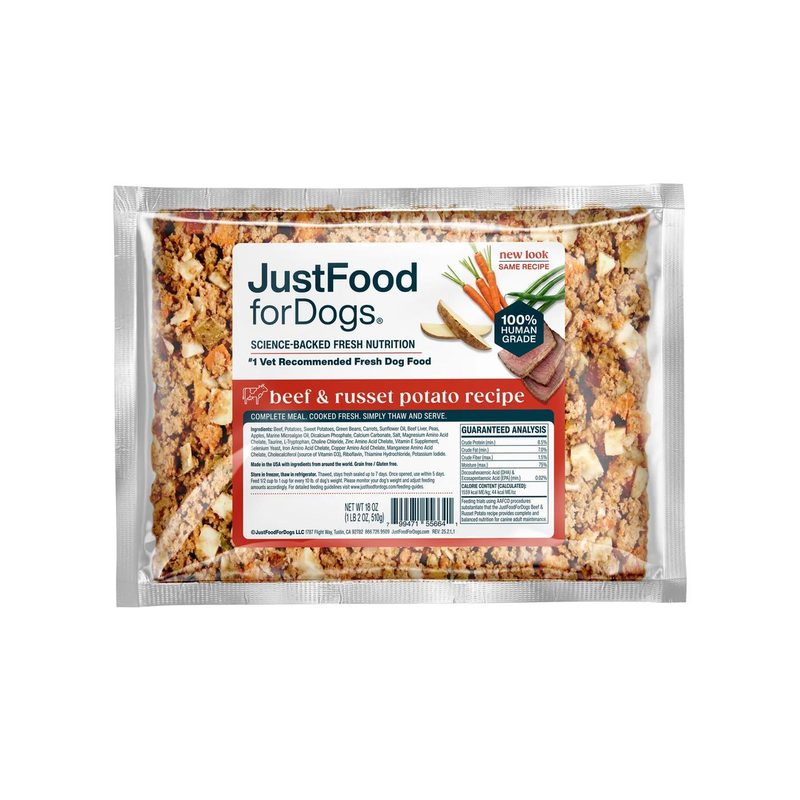
Furthermore, pet foods occasionally undergo formulation updates or label changes. It is a good practice to routinely verify that the nutrient profile and calorie density on the physical package match the feeding plan previously calculated with your veterinarian. This simple check ensures that the veterinary team is always evaluating and advising on the exact diet currently being placed in the dog’s bowl.
Instead of asking a veterinarian whether a specific brand is "the single healthiest food available," a more practical approach is to ask whether a specific recipe represents a complete and balanced option for your dog’s current life stage, and what evidence supports its use. From there, you can discuss whether the practical benefits of a fresh diet justify a transition for your specific household, resulting in a highly tailored feeding plan and a realistic expectation of the outcome.
Formulating Actionable Questions for Your Next Vet Visit
A successful dietary consultation should conclude with a highly specific, actionable plan. This plan should include the exact recipe selected, a precise starting daily calorie target, a clear protocol for incorporating treats or extras, and a defined monitoring plan to determine when to adjust the portion size or re-evaluate the diet.
To prepare for this clinical discussion, pet owners can utilize tools like the JustFoodForDogs online feeding calculator to estimate daily caloric requirements. However, this estimate should always be treated as a baseline starting point to be adjusted by the veterinary team, particularly if the dog is highly active, overweight, or managing a chronic medical condition.
To guide your next veterinary appointment, consider bringing the following targeted questions to your discussion:
- Does this specific fresh recipe provide complete and balanced nutrition tailored to my dog’s current life stage and health status?
- Based on my dog’s current body condition score and activity level, what is the exact daily calorie target we should use as a starting point?
- How will transitioning to this fresh diet affect our daily routine in terms of safe food handling, storage, and portioning?
- What clinical signs, physical changes, or laboratory values should we monitor to evaluate how well my dog is tolerating this new diet?
- When should we schedule a follow-up consultation to reassess my dog’s weight, body condition, and overall nutritional plan?
Ultimately, the practical benefits of a diet are just as important as scientific endpoints. A pet owner may highly value the increased moisture of a fresh meal, the transparency of the recipe, or the convenience of a commercially prepared option that eliminates the need for home cooking. Weighing these lifestyle benefits alongside the recurring cost and storage requirements of fresh food ensures that the chosen diet remains sustainable for the household over the long term. A thorough, scientifically grounded fresh-food recommendation is always specific: it pairs a carefully formulated recipe with validated evidence and an individualized feeding plan.
Frequently Asked Questions
What is the most vet-recommended fresh dog food?
Any claim that a specific brand is the "most recommended" fresh dog food should be backed by a transparent, representative survey detailing exactly who was surveyed and what specific questions were asked. This type of marketing claim is fundamentally different from a clinical veterinarian selecting a tailored recipe for an individual patient. Rather than relying on broad national brand rankings, pet owners should evaluate an individual recipe’s formulation, quality control standards, and biological suitability for their specific dog.
Is it better to feed dogs fresh or dry food?
Whether a fresh or dry diet is better depends entirely on which complete and balanced recipe best aligns with the unique biological needs of the dog and the daily routine of the household. Fresh, gently cooked diets offer high moisture levels, appealing textures, and excellent palatability, while high-quality dry kibble provides excellent shelf stability, concentrated nutrients, and practical storage advantages. The optimal choice is defined by which specific benefits are most important for the individual dog.

Do dogs live longer on homemade dog food?
There is currently no peer-reviewed scientific research proving that dogs live longer on homemade diets compared to high-quality commercial foods. The nutritional safety of a homemade diet depends entirely on the consistent use of a recipe formulated by a qualified veterinary nutritionist. Improvised or unformulated homemade diets run a high risk of causing severe nutrient deficiencies. If you prefer to prepare your dog’s meals at home, always obtain a clinically validated recipe and follow the preparation instructions precisely.
Do veterinarians recommend fresh dog food?
Many veterinarians routinely recommend specific, gently cooked fresh diets, provided the manufacturer offers recipe-specific digestibility research, robust quality control data, and complete nutrient profiles. Veterinarians evaluate diets on a product-by-product basis rather than endorsing the word "fresh" as a single category. To get a specific recommendation, bring the product’s nutritional guarantee and your dog’s complete diet history to your next veterinary visit.
What are the healthiest fresh foods for dogs?
For a fresh food to serve as a dog’s primary daily diet, it must be formulated to be complete and balanced, meeting all essential nutrient requirements for the animal’s specific life stage. While single fresh ingredients—such as plain cooked meats or specific vegetables—can be highly nutritious, they do not provide balanced daily nutrition on their own. Any additional fresh foods fed as treats should be kept within the dog’s overall daily calorie limit and reviewed with a veterinarian, particularly if the dog has underlying health conditions.