


In the world of physical special effects and prop making, the devil is always in the details. Achieving an authentic, lived-in aesthetic for sci-fi machinery, starship interiors, and futuristic control panels often relies on a specialized artisan technique known as "greebling." Rooted in the pioneering days of visual effects, this method involves taking disparate pieces of everyday junk, household scraps, and leftover model kit parts—collectively referred to as greebles or greeblies—and adhering them directly to the surface of an object. The goal is to break up flat expanses, introduce intricate textures, add mechanical depth, and generate high-contrast visual interest that tricks the eye into seeing complex machinery.
While computer-generated imagery has come to dominate modern filmmaking, the physical techniques developed half a century ago continue to inspire makers, prop replica builders, and designers tackling hands-on fabrication projects. Among the organizations most synonymous with this craft is Industrial Light & Magic (ILM). Since its founding in 1975 to handle the groundbreaking visual effects for the original Star Wars film, ILM artisans relied heavily on kitbashing and greebling to construct iconic spacecraft, intricate Death Star trench surfaces, and elaborate cockpit control panels. By recycling plastic sprues, tank treads, model airplane wings, and random household packaging, model makers could build hyper-detailed miniatures that felt massive and authentic on screen.
Today, that exact historical technique offers hobbyists and prop builders a straightforward, accessible pathway to elevate their own DIY projects, particularly when building custom control panels. Translating this legacy cinematic method into a modern workbench setting requires very little specialized equipment, relying instead on a keen eye for shapes and everyday resourcefulness.
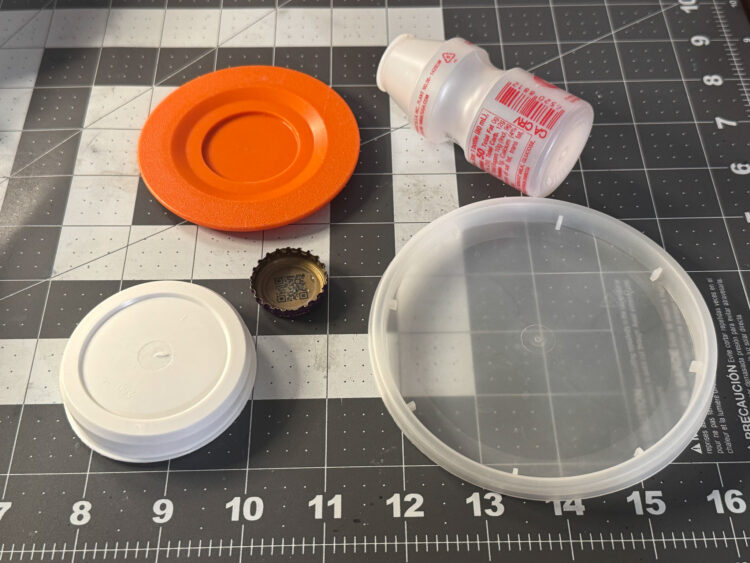
The fabrication process begins with a careful collection phase centered on gathering suitable circular elements. Builders can source these components from an array of domestic castoffs, ranging from standard plastic bottle caps and broken components from discarded children’s toys to specialized cylindrical containers. By surveying ordinary household waste with an artistic eye, creators can quickly amass a diverse library of raw materials. For instance, standard projects might utilize a combination of beverage bottle caps, small yogurt containers, and the protective plastic caps typically found on poster mailing tubes.
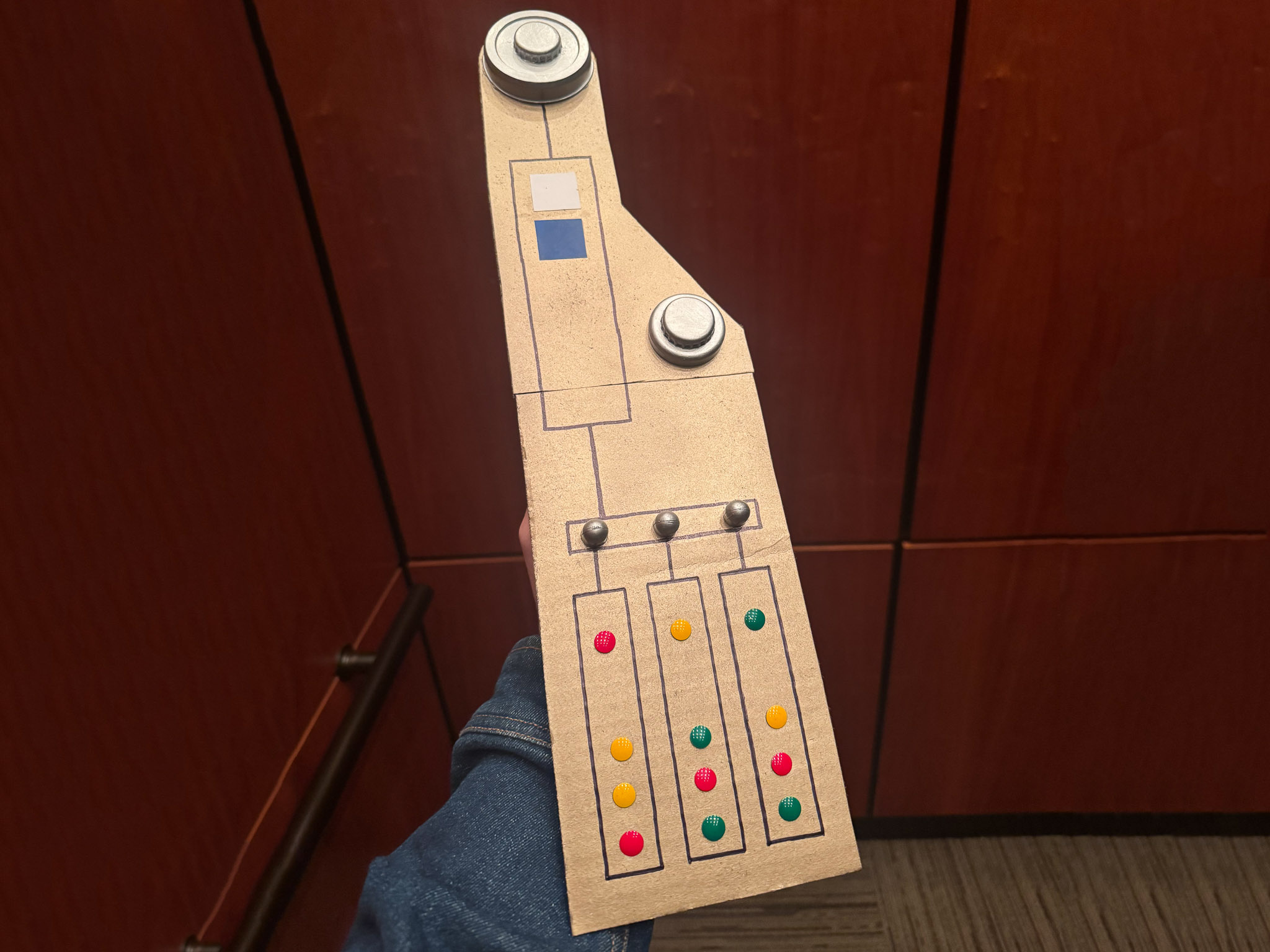
Once an assortment of shapes has been collected, the next phase involves assembly and structural composition. Using reliable fastening methods such as hot glue or industrial-strength super glue, makers bond these disparate plastic components together to construct tiered, multi-layered circular formations. These dimensional assemblies serve a functional design purpose, frequently representing the prominent, large silver elements and primary focal points typically featured on vintage-style science fiction control panels. Ideally, designers aim for these central composite features to measure approximately two inches across at the base of the largest circular tier, ensuring they command an appropriate visual presence relative to the rest of the panel surface.
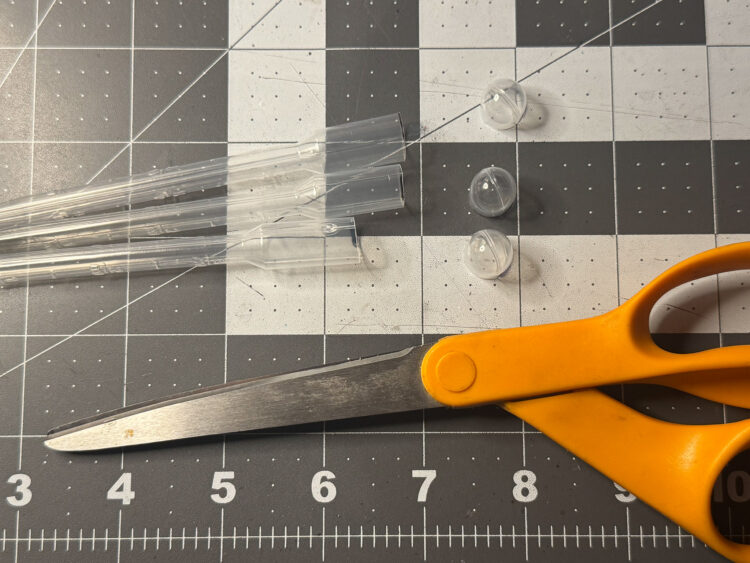
Beyond the larger focal pieces, a convincing control panel requires secondary mechanical details to suggest switches, gauges, and auxiliary readouts. This is achieved by fabricating smaller cylindrical dials and buttons using readily available materials. Small plastic bottle caps, thick boba tea straws, or any other narrow, easily cut plastic tubing can be adapted for this purpose. Many builders find success utilizing disposable plastic laboratory pipettes, slicing the tapered ends off at roughly half-inch increments to create uniform, precisely sized cylindrical protrusions that mimic high-tech knobs and instrumentation bezels.
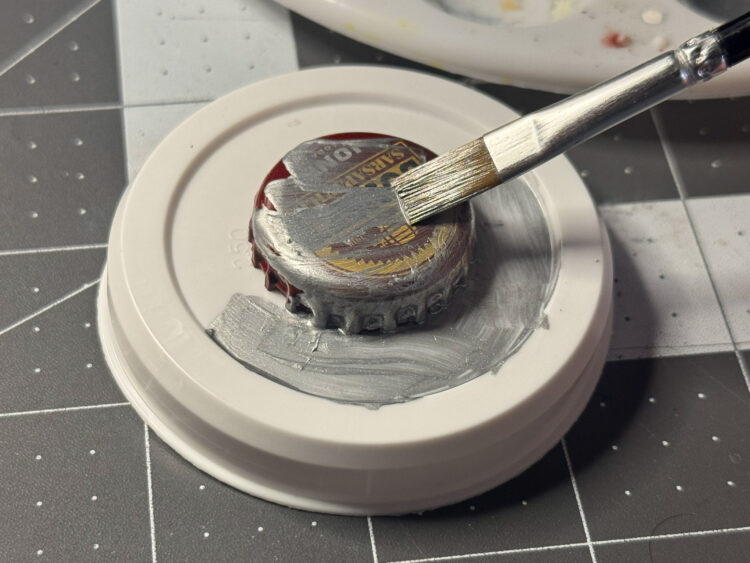
With the physical construction complete and all elements securely adhered to the backing surface, the project moves into the finishing phase. To unify the eclectic mix of discarded plastics and random household trash into a cohesive, industrial aesthetic, the newly attached greebles are coated with silver craft paint applied with a standard brush. Because working with liquid craft paint and adhesives can easily create a mess, makers are advised to establish a protected workspace by covering the surrounding table or bench surface beforehand, thereby preventing accidental spills and safeguarding the immediate environment.
Through this straightforward translation of Industrial Light & Magic’s foundational prop-making methodology, modern hobbyists can successfully capture the authentic look and feel of classic cinematic hardware. By transforming ordinary scraps into intricate surface textures, contemporary creators continue a nearly fifty-year-old tradition of turning simple junk into compelling, detailed works of science fiction art.