



Meatloaf has long held its place as a cornerstone of traditional American comfort food. For generations, this iconic dish has graced dining room tables across the country, serving as a reliable, hearty weeknight dinner whether it is smothered in rich, caramelized onions and earthy mushrooms or topped with a classic, tangy ketchup glaze. Yet, despite its enduring popularity and comforting appeal, even the most carefully prepared meatloaf recipes can sometimes run the risk of turning out dry. Culinary experts and home cooks alike have long sought the ideal solution to this common kitchen dilemma, and the answer often lies in a surprisingly simple pantry staple that many people already keep on hand: stock or broth.
Traditional meatloaf recipes frequently rely on dairy products like milk or beaten eggs to add moisture and help bind the ground beef together during the baking process. While these ingredients certainly have their place in standard culinary techniques, substituting them or supplementing them with a quality stock or broth can fundamentally elevate the dish. Whether utilizing vegetable, chicken, or beef options, introducing these liquids into the preparation helps rehydrate the ground meat while simultaneously infusing every bite with a savory, deeply satisfying umami flavor profile that standard water or milk simply cannot achieve on its own.
The choice of liquid can subtly yet significantly shift the final character of the meal. For instance, incorporating vegetable stock into the mixture brings a distinctly herbaceous note accompanied by a gentle, natural sweetness that lightens the heavy profile of the beef. On the other hand, chicken stock or broth introduces a rich saltiness that enhances the overall savory depth, while beef stock leans directly into the meat’s natural profile, delivering a robust, intensely meaty taste.
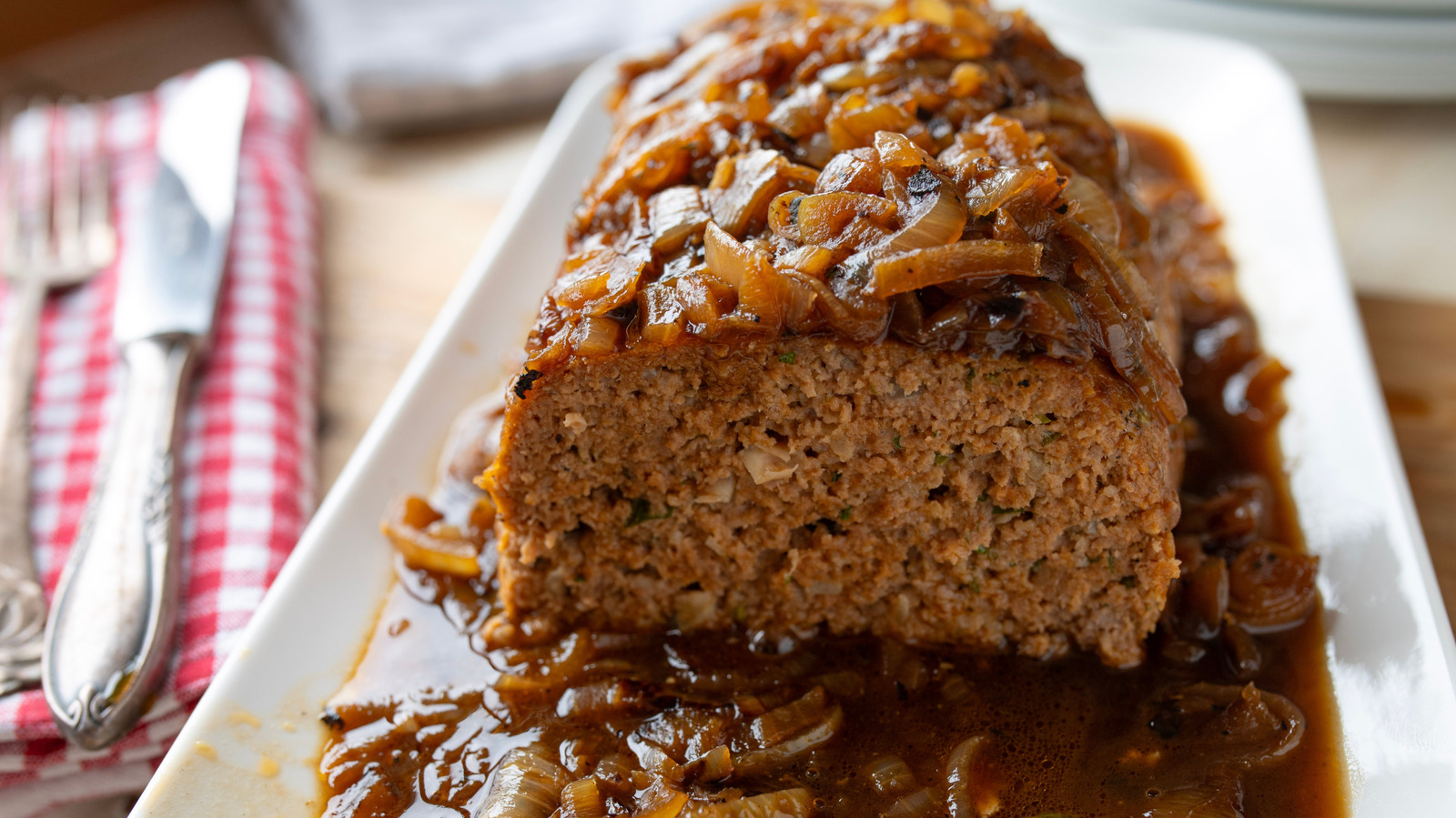
Understanding the fundamental difference between various liquid options can help home cooks tailor their meatloaf to their exact flavor preferences. Most commercial broths are formulated with vibrant seasonings and aromatic vegetables like celery and onion already integrated into the liquid. However, traditional animal-based stocks are typically unseasoned, meaning they elevate the dish through the rich, gelatinous qualities derived from long-simmered bones, natural collagen, and carefully selected aromatics. When these elements meld with the ground meat in the oven, the result is a noticeably juicier meatloaf characterized by a much more complex and developed taste profile.
The incorporation method is straightforward and seamlessly integrates into standard cooking preparation. Rather than pouring the liquid in all at once, cooks can gradually incorporate spoonfuls of stock or broth directly into the raw beef, working it gently until the meat binds together properly. From there, standard ingredients and preferred seasonings are folded in before the mixture is shaped, baked as usual, and served.
How to upgrade this meal even more
While a basic meatloaf enhanced with stock remains a beloved and satisfying dish on its own, culinary enthusiasts looking to push the boundaries of flavor even further have plenty of options for additional enhancement. After incorporating the stock or broth of choice into the mixture, home cooks can experiment by blending small amounts of wet ingredients directly into the raw meat. Mixing ketchup into the uncooked beef, for example, introduces a subtle sweetness that pairs exceptionally well with a traditional ketchup glaze baked onto the exterior. Alternatively, swapping the ketchup for barbecue sauce can impart a surprising, delicious acidic tang that cuts through the richness of the beef. Cooks can also choose to retain eggs in the recipe, using them alongside the broth to further soften the texture and improve the overall structural integrity of the loaf.
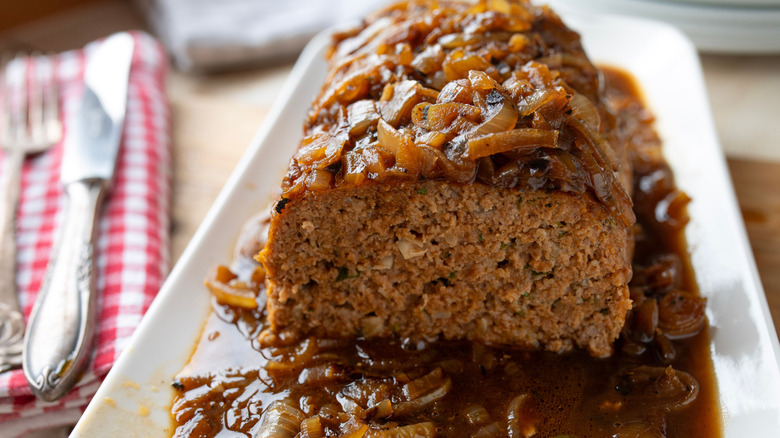
For those willing to venture beyond traditional flavor profiles, several alternative ingredients offer effortless ways to elevate the dish. A modest splash of red wine works wonders alongside the stock, keeping the meat exceptionally tender and infusing it with a deep, sophisticated, oaky flavor. Similarly, a touch of Dijon mustard or ground mustard powder provides comparable juiciness while introducing a subtle, warming spicy kick to the palate. To further accentuate the natural umami qualities already brought out by the stock, adding a few drops of fish sauce or Worcestershire sauce can deepen the flavor profile in line with time-tested culinary traditions.