




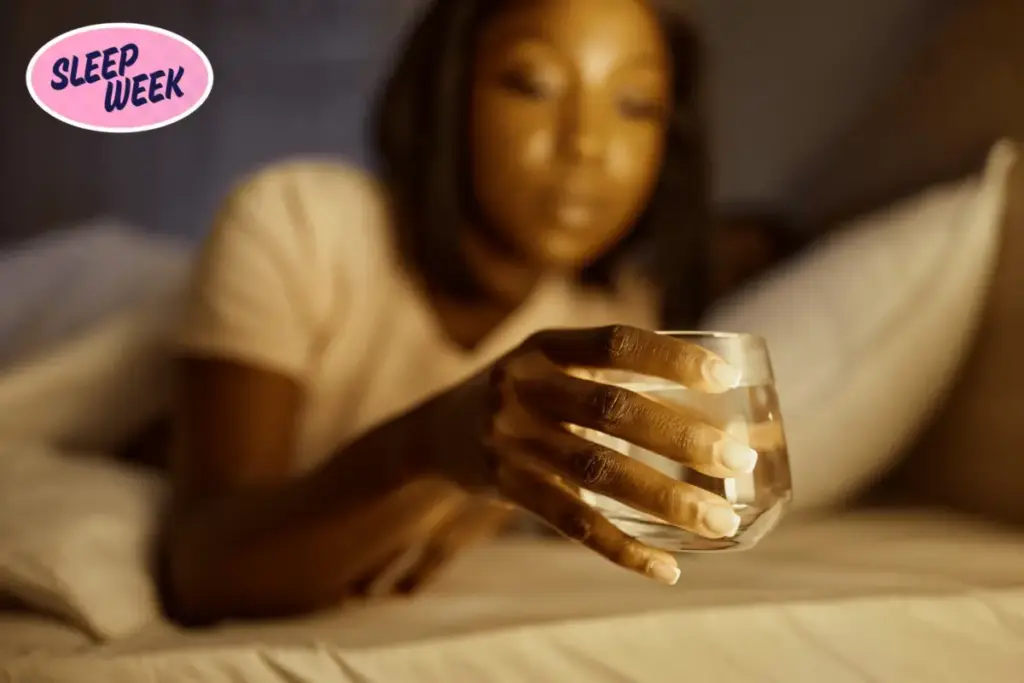
Sleep deprivation is a form of torture, a harsh reality that every adult discovers the hard way at some point in their lives. Every parent experiences intense sleep deprivation when they bring home their first baby, and through every subsequent newborn after that. Yet, for some individuals, sleep was never an easy process to begin with. Long before children entered the picture, many people were already well acquainted with the wee hours of the morning, intimately familiar with what it feels like to lie awake all night, every night, watching the hours tick slowly away on a glowing digital clock.
Reflecting on childhood, many chronic insomnia sufferers remember lying in bed for long, agonizing stretches of time long before sleep could finally claim them. Thoughts would race uncontrollably about everything and nothing at all. Childhood remedies often included a dream catcher hanging overhead to ward off nightmares, worry dolls tucked safely beneath the pillow to whisper anxieties to so they could hold them until morning, and a bedroom television playing a plucky Disney Channel show softly in the background just to provide some ambient distraction. At sleepovers, chronic insomniacs are invariably the last to fall asleep—if they manage to stay the night at all.
For many, a formal anxiety diagnosis does not come until much later in life, such as heading off to college, but learning more about neurological health finally provides a clearer understanding of why sleep is so perpetually elusive. When a human nervous system remains stuck in a persistent fight-or-flight mode, it stands to reason that a person will wake at the slightest sound and face a nearly insurmountable challenge trying to wind down enough to truly fall asleep at the end of a demanding day.
For years, the nightly routine involves hours of waiting for sleep to arrive while partners drift into rapid-eye-movement sleep almost instantly upon getting horizontal on the mattress. Countless alternative remedies are tested—guided meditations featuring squawking seagulls, binaural beats, and exhaustive daily exercise meant to drain every ounce of physical energy—only for the insomnia to return with frustrating new intensity. Sleep deprivation compounds underlying anxiety and depression, leaving individuals looking and feeling utterly bedraggled day after day.
Medical intervention often becomes the turning point. When patients finally express their frustrations to psychiatrists, they are often introduced to off-label treatments like trazodone. While trazodone is fundamentally an antidepressant rather than a traditional sedative, it is frequently prescribed to treat chronic insomnia because it induces a similar relaxing, drowsy sensation. Physicians typically explain that it is not a controlled substance and carries a very low risk of chemical addiction, though patients might mentally begin to feel that they need it in order to secure a proper night of rest. For many patients, the reassurance that the medication is safe, effective, and readily available makes any psychological attachment a worthwhile trade-off for the gift of uninterrupted sleep.
Extensive scientific research has shown repeatedly that regularly sleeping well is a foundational quality-of-life indicator. A persistent lack of sleep negatively impacts every single system of the human body. It weakens the immune system, worsens mental health, and significantly increases the risk of countless medical conditions ranging from high cholesterol to Alzheimer’s disease. Furthermore, statistical data reveals that women are twice as likely to suffer from insomnia as men. Experts attribute this disparity to natural hormonal fluctuations throughout the month, the reality that women frequently carry the lion’s share of the mental load within family units, and a higher general vulnerability to mood disorders.
Yet, even though the medical community widely acknowledges the vital importance of sleep, taking pharmaceutical or supplemental aids to achieve it remains subtly frowned upon by society at large. Researchers in the United Kingdom previously conducted focus groups interviewing individuals who rely on prescription sleep medications and over-the-counter supplements like melatonin. The findings revealed a profound amount of internalized stigma surrounding the subject, even among participants speaking candidly in a room full of peers who also relied on sleep aids.
The study highlighted that participants were extremely deliberate in how they justified their need for medication. They worked hard to frame themselves as deserving, carefully explaining that chronic pain or debilitating anxiety made natural sleep entirely impossible. They emphasized compliance, vowing to take their medications strictly as prescribed or as directed on package labels. They stressed their responsibility, constantly monitoring themselves for any signs of misuse or chemical dependence. Participants even expressed extreme guilt if they accidentally took more medication than intended or experimented with alternative remedies when their usual prescription fell short of the mark.
This societal stigma frequently bubbles to the surface in public forums as well. When parenting platforms pose questions like "Do you take anything to fall asleep at night?" the responses often carry heavy undertones of self-judgment. Multiple readers admit to using over-the-counter medications like Gravol during bouts of severe insomnia, frequently describing the practice as a horrid habit or something reserved strictly for emergencies. Others confess to relying on fractions of prescription medications like Ambien, accompanying their admissions with expressions of distress or noting that they have not experienced a completely unmedicated night of sleep in over seven years.
At the same time, many modern parents and adults express no shame whatsoever regarding their sleep regimens. Responses to inquiries about sleep aids frequently highlight an array of substances and routines. Some casually cite a glass of wine at the end of a long day. Others report utilizing prescription trazodone, over-the-counter Unisom, or various forms of cannabis, including vape pens and gummies. A significant number of respondents point to targeted nutritional supplements like magnesium and progesterone, or hormone replacement therapy, as the keys that finally unlocked the door to consistent, restful sleep during perimenopause and beyond.
Beneath the humor and the confessions, a prevailing sentiment often rings out clearly: individuals may feel heavily medicated, but the important thing is that the treatment is working. Even on days when people question whether they ought to be able to "sleepmaxx" or wellness-hack their way out of needing a nightly pill, reality quickly intrudes. Chronic sleep deprivation is genuinely dangerous, and those who experience it night after night understand how rapidly both mental and physical health can deteriorate.
Insomnia severely diminishes an individual’s overall quality of life. Extreme sleep deprivation can feel like locking personality and joy behind an impenetrable wall where they remain entirely out of reach, negatively impacting long-term longevity and interpersonal relationships. While relying on substances warrants mindful self-reflection, society would benefit greatly from validating the fundamental truth that chronic sleep deprivation is a torturous condition.
More people—particularly mothers—deserve to hear that they are entitled to adequate rest, and they should feel encouraged to consult their healthcare providers if they experience abnormal daytime fatigue. Society must continue to dismantle the lingering stigma surrounding sleep aids, helping individuals internalize the understanding that navigating daily life is difficult enough without feeling like a physical and emotional shell of oneself. For millions of chronic sufferers, safe and effective medical interventions remain the bridge between enduring exhaustion and reclaiming a healthy, vibrant life.