

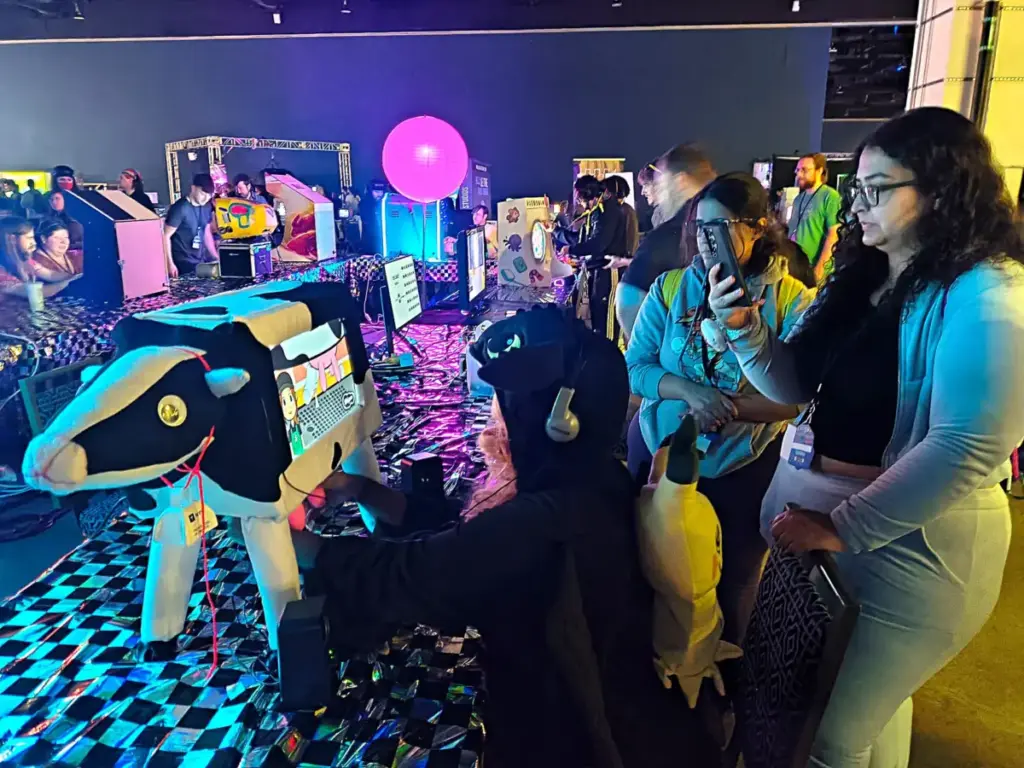
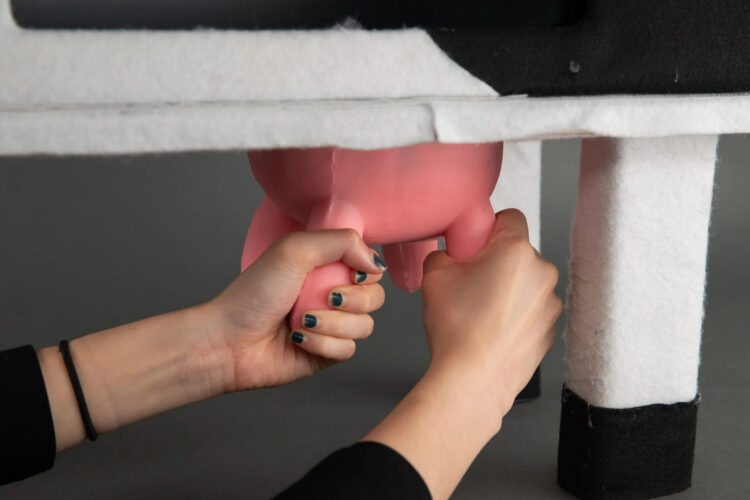
In the increasingly eccentric world of alternative video game controllers, few projects achieve the surreal yet functional height of "Udder Mayhem." Created by designer, creative technologist, and maker Karina Chow, the project reimagines a silicone cow udder as a responsive, programmable computer keyboard. Originally featured in Make: Volume 99, this unconventional peripheral bridges the gap between sculptural art, silicone casting, and microcontroller programming, proving that interactive devices can be as whimsical as they are technically sophisticated.

Alternative controllers—often referred to as "alt-controls"—have a long and celebrated history within arcade and independent gaming communities, where standard gamepads and QWERTY keyboards are routinely discarded in favor of custom hardware tailored to specific gameplay experiences. Chow’s cow udder project takes this philosophy to its logical and squishy extreme, offering a tactile interface where players interact with soft, squeezable teats embedded with force-sensing resistors to execute commands and trigger keyboard strokes.
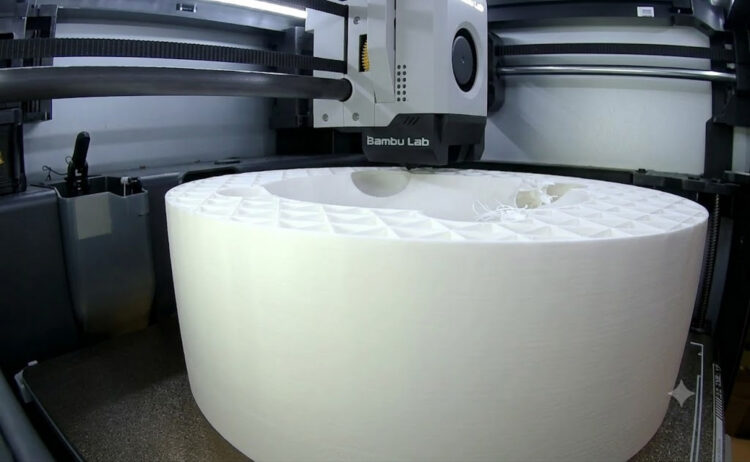
The construction of the peripheral is a masterclass in modern DIY engineering, combining 3D printing, complex mold making, precision silicone casting, and embedded electronics. Building the custom hardware begins in the digital realm with a specialized 3D model designed to accommodate an outer shell, an internal core insert, and four individual teat insert rods. For makers lacking access to industrial-scale equipment, Chow thoughtfully provides both a large-format singular mold and a segmented four-part alternative optimized for standard 3D printer build volumes, though the latter introduces minor seams during the casting phase.
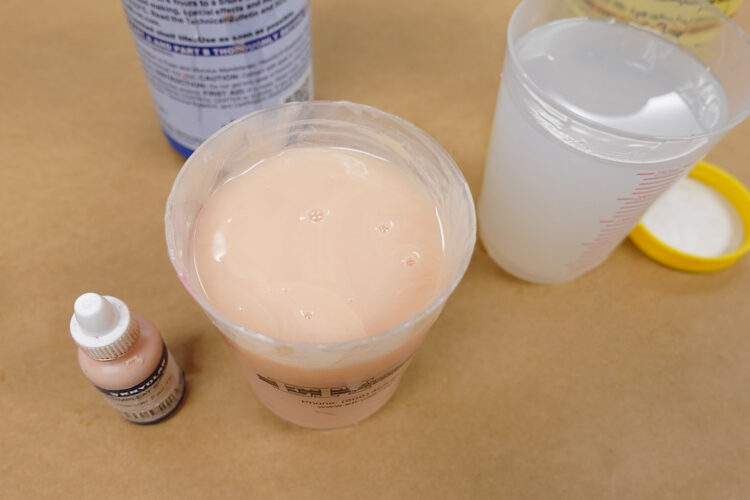
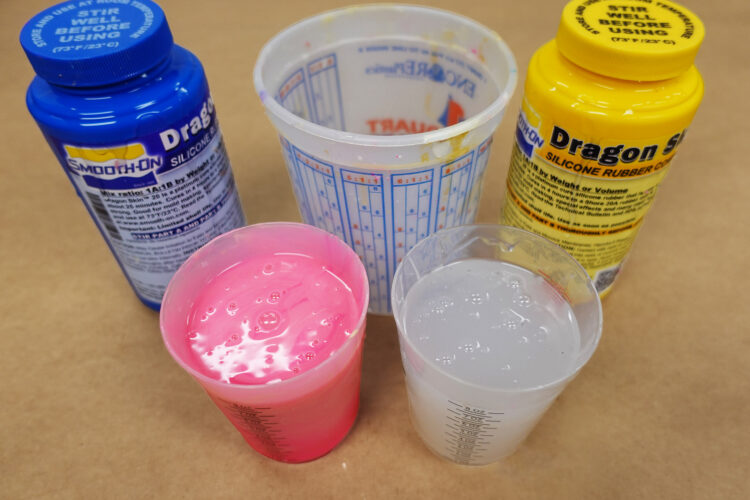
Preparing the mold requires meticulous attention to detail, starting with a generous application of mold release spray to ensure the cured silicone separates cleanly from the printed plastic box and internal poles. Once the physical mold is assembled and secured with screws to counteract the pressures of curing silicone, the casting process commences. Chow recommends Smooth-On Dragon Skin 20, a platinum-cure silicone rubber renowned for its 1A:1B mix ratio and 20A shore hardness. This specific material yields a flexible, fleshy texture ideally suited for a mammalian aesthetic. To achieve the signature look, Chow utilizes a customized color palette, blending a flesh-toned base pigment with electric pink additives that fluoresce brightly under ambient and ultraviolet illumination—a crucial design choice for arcade cabinets operating in dimly lit environments.

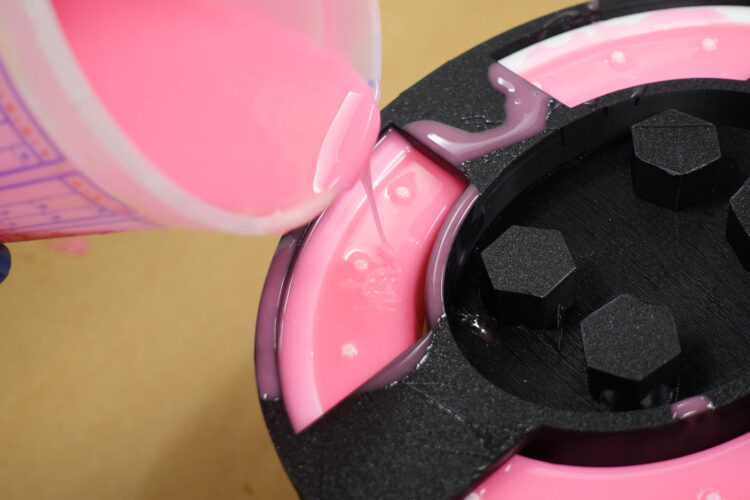
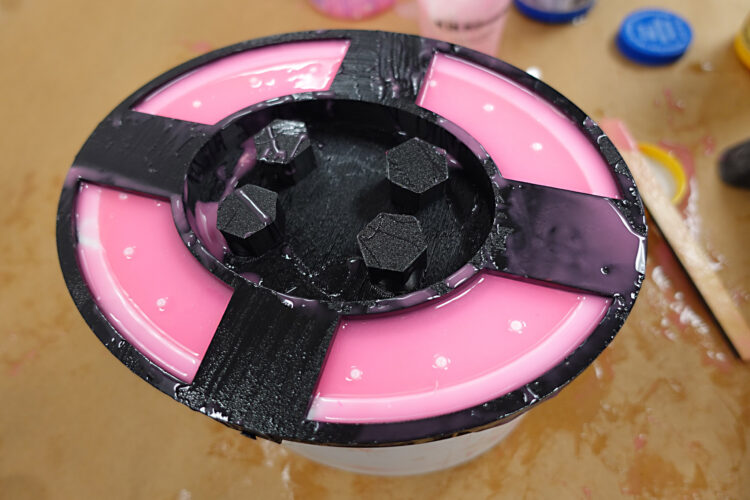
The casting phase demands precision and patience. The silicone is poured into the multi-channel mold assembly and left to cure for several hours before the intricate demolding process can begin. Pulling the internal poles free produces a sharp, satisfying pop akin to opening a bottle of champagne, while freeing the main silicone casting often requires carefully plying the rigid 3D-printed inserts away from the cured rubber.

Beneath the soft, tactile exterior lies a robust electronic sensing array built around Force-Sensing Resistors, or FSRs. These thin-film sensors alter their electrical resistance in response to applied pressure, translating a physical squeeze into an analog voltage signal. Wiring the sensors correctly is critical to the controller’s reliability. Chow incorporates low-value pull-down resistors into the breadboard circuit to bias the system toward heavier actuation forces. Because the sensors are ultimately encased in expanding polyurethane foam, a lower-resistance bias prevents false positives triggered by the constant internal pressure of the foam itself while ensuring clean, distinct signals during active use.
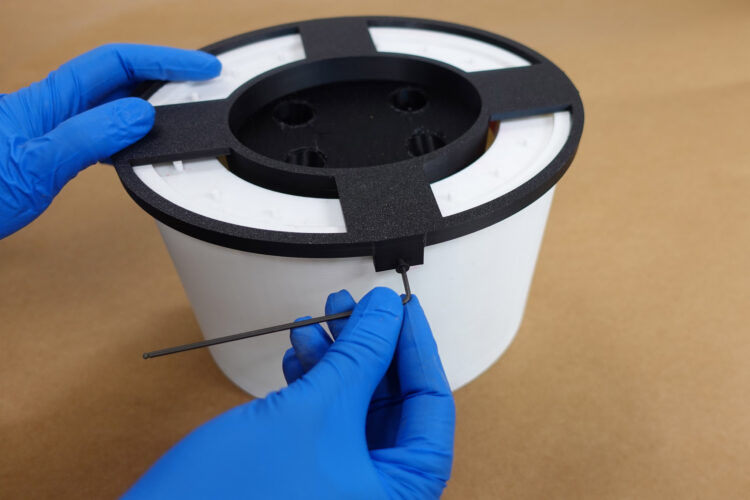
Casting the interior foam represents the most technically demanding phase of the fabrication process. Utilizing a flexible polyurethane foam—specifically FlexFoam-iT! III, which expands dramatically upon mixing—requires working against a remarkably brief pot life of just 35 seconds. Because mixing a single large batch and positioning all four sensors simultaneously is practically impossible within this narrow window, Chow developed a two-stage pouring method. The first pour distributes small amounts of the reactive foam directly into each teat cavity, allowing the maker to manually press and orient the FSR sensors into position as the material begins to rise. A second central pour unifies the interior structure, while a custom-designed top brace strapped securely to the mold prevents runaway expansion and ensures a dense, uniform fill throughout the entire chamber.
Once cured, the assembly undergoes rigorous testing to map baseline sensor values and verify tactile responsiveness. With the hardware validated, the project transitions from physical sculpture to functional computer peripheral by integrating a Teensy 4.1 microcontroller. Unlike standard Arduino boards, the Teensy natively supports USB keyboard emulation, boasting ample flash memory and processing power to ensure ultra-low latency.
By configuring the Arduino IDE with the appropriate board definitions and selecting the USB Type configuration for keyboard emulation, Chow’s custom firmware translates analog pressure readings from the FSRs directly into standard keystrokes. Squeezing an individual teat triggers a corresponding character command via software utilities like Keyboard.press(), while release functions ensure continuous data streaming for as long as pressure is maintained.
The completed udder peripheral is engineered to mount securely onto a standard ¾-inch MDF board using threaded inserts and M6 hardware, making it easily integrated into custom arcade cabinets or standalone gaming setups. While Chow’s current FSR-based iteration represents the most robust and responsive design to date, experimentation continues. Future explorations may investigate pneumatic mechanisms inspired by classic novelty toys, utilizing air displacement to actuate physical switches and eliminate the potential complications of long-term foam compression.
Projects like Udder Mayhem highlight the boundless creativity thriving within the maker community, where unconventional ideas and industrial fabrication techniques intersect to redefine how humans interact with digital technology. Whether deployed in experimental arcade settings or utilized as a delightfully absurd daily driver, the silicone udder keyboard stands as a testament to the power of playful engineering.