

As the Jewish calendar approaches one of its most solemn and spiritually profound periods, communities around the world are preparing for Yom Kippur, widely recognized as the Day of Atonement. Falling on the tenth day of the Hebrew month of Tishrei, Yom Kippur is traditionally a sacred time dedicated to deep introspection, communal and personal charity, fasting, and seeking forgiveness for past transgressions. It is a period designed for spiritual cleansing and moral renewal, encouraging individuals to mend relationships and realign their lives with ethical principles.
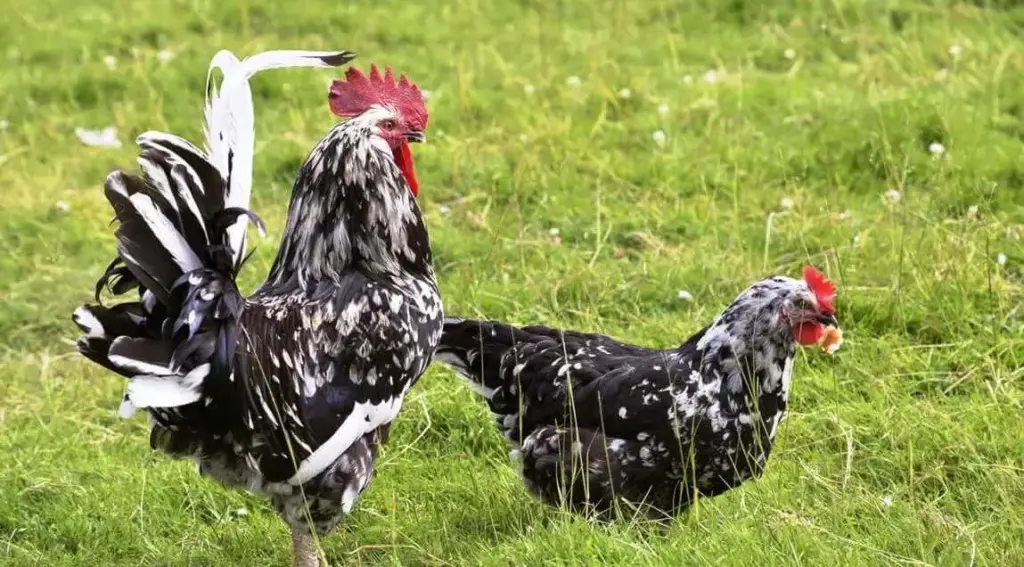
However, ahead of this holy day, a contentious practice continues to draw scrutiny. Some individuals participate in kapparot, a customary ritual that involves using live chickens. During the practice, a chicken is traditionally swung around a person’s head while specific prayers are recited, symbolizing the transfer of one’s sins to the animal before it is taken to a ritual slaughterer. This centuries-old custom has increasingly faced criticism from animal welfare advocates and various members of the Jewish community alike, who point out that frightening and harming living creatures contradicts the core ethical spirit of the holiday. Harming an animal has no place in an act of genuine atonement, a perspective that has inspired a growing number of Jewish communities to shift away from using live fowl and instead observe kapparot by making monetary donations to charity.
A Kind Way to Observe Kapparot
The fundamental purpose of kapparot is to symbolize repentance and personal accountability for one’s actions during the most spiritually significant season of the Jewish year. Yet, religious scholars and community leaders emphasize that this noble purpose does not require the suffering, distress, and slaughter of a sensitive, feeling animal. Crucially, historical and religious analyses note that the slaughter of a chicken for kapparot is not a commandment mandated in the Torah or the Talmud. It developed later as a custom rather than a rigid legal requirement, leaving room for adaptation and modern interpretation that aligns more closely with foundational ethical values.
For generations, Jewish tradition has accommodated alternative expressions of this custom. The practice of substituting money for the live chicken has historical roots, allowing participants to fulfill the spirit of the ritual through acts of benevolence. By redirecting the funds that would have been spent on purchasing and processing an animal toward charitable organizations, practitioners fulfill the underlying intention of the custom—reflecting on mortality, charity, and repentance—without causing harm to sentient life.
Giving Back Instead of Taking a Life
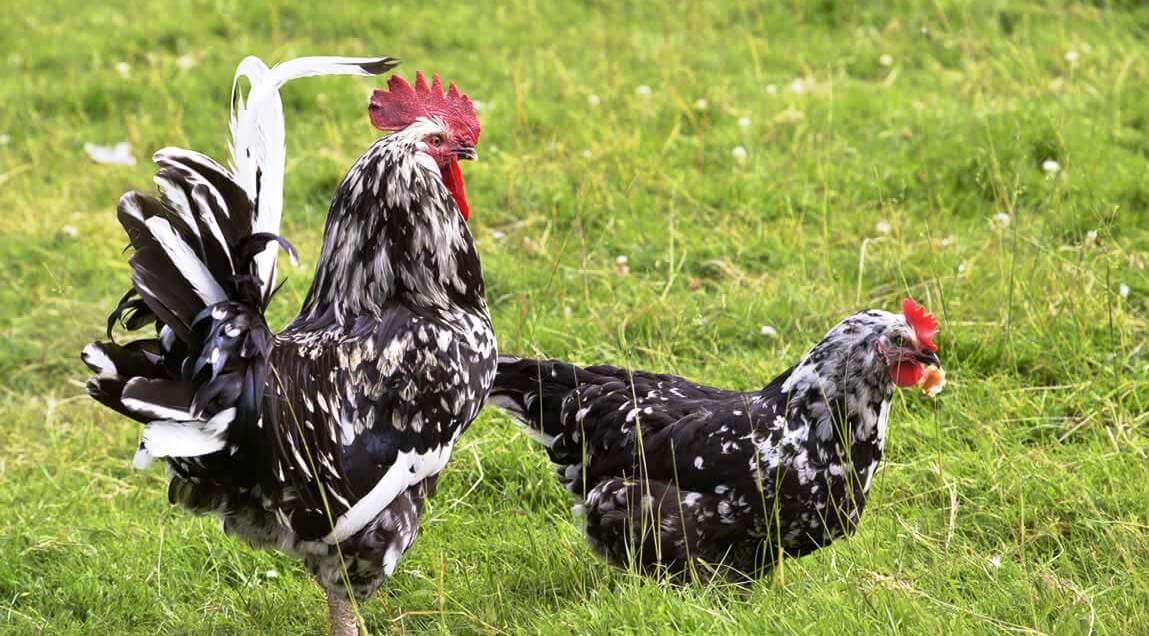
The central spiritual labor of the High Holidays season is teshuvah, a Hebrew term that translates to "returning" or turning back toward God and striving to become the ethical people we are meant to be. This period invites deep moral inventory, challenging individuals to acknowledge their shortcomings and commit to positive behavioral changes in the year ahead.
Choosing a charitable donation for kapparot represents a longstanding, highly regarded tradition that keeps the absolute focus of the ritual where it belongs: on generosity, compassion, and directly helping those in need within society. Rather than engaging in a practice that inflicts fear and physical pain on an animal, making a financial contribution to organizations that feed the hungry, shelter the homeless, or support community welfare actively embodies the healing and restorative values that Yom Kippur seeks to inspire. It transforms a potentially harmful custom into a direct act of tzedakah, or righteous giving, which holds a supreme place in Jewish ethics.
Make This Yom Kippur a Time of Empathy for All
Jewish teachings and ethical frameworks consistently emphasize humanity’s profound responsibility toward fellow creatures, a concept known in Jewish law as za’ar ba’alei chayim, prohibiting the infliction of unnecessary pain on animals. Modern ethological research and everyday observation confirm that animals, including chickens, are far more complex than they are often given credit for. Chickens are social, highly curious individuals who possess the cognitive capacity to recognize one another, form strong social bonds, experience joy, and distinctly perceive fear and distress. Like all living beings, they are individuals with subjective experiences rather than mere objects or commodities.
As Yom Kippur approaches, the holiday offers a vital opportunity to make meaningful commitments that help construct a more compassionate and equitable world for everyone, regardless of species. Organizations and faith leaders are increasingly encouraging those who observe kapparot to choose charity over chickens, and to actively encourage their families, synagogues, and local communities to embrace this humane alternative.
Throughout this sacred season and beyond, individuals seeking to deepen their understanding of humane observance have access to a variety of educational resources. Organizations such as Jewish Vegan Life offer specialized guides on practicing kapparot with charity, while groups like Shamayim provide multimedia explorations of the ritual’s modern evolution through initiatives like Kapparot Reimagined. At the same time, animal advocacy groups continue to urge rabbinical leadership and community authorities worldwide to officially denounce the ritual killing of chickens in favor of peaceful, charitable alternatives.