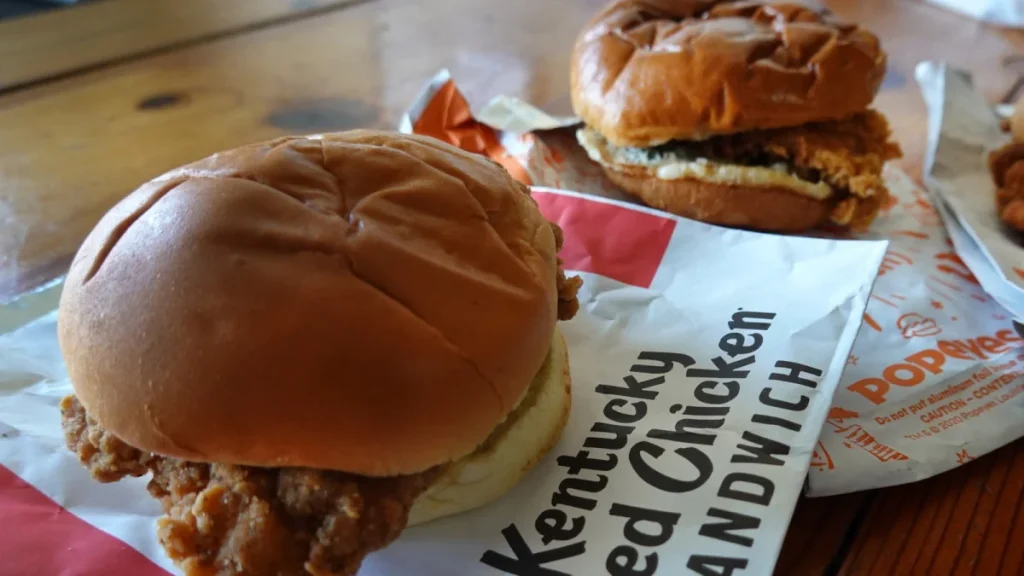
At first glance, setting a familiar red-and-white bucket of Kentucky Fried Chicken next to an orange-and-white cardboard box from Popeyes might look like a study in uniformity. On paper, both fast-food giants offer fundamentally the same core menu items: bone-in fried chicken served in mixed pieces, alongside a lineup of classic Southern-inspired side dishes designed to round out the meal. To the casual diner, the differences might appear to begin and end with the packaging and the branding.
Yet, a single bite from either bucket reveals an unmistakable divergence in flavor, texture, and philosophy. The culinary journey that each piece of chicken takes—from raw poultry to the finished product handed across the drive-thru counter—is entirely distinct. These differences are rooted in decades-old corporate recipes, proprietary cooking methods, chemistry, and regional American food traditions that ultimately define the identity of two of the largest fast-food chicken empires in the world.
The Philosophy of Flavor: Coating Versus Marinade
When examining the flavor profiles that set the two chains apart, the divergence begins with how and where the seasoning is applied. KFC’s entire corporate identity is inextricably tied to the legendary "11 herbs and spices" formula originally developed by Colonel Harland Sanders. Even though modern food sleuths and culinary historians have come remarkably close to reverse-engineering the exact botanical blend, KFC continues to fiercely guard the original handwritten recipe in a digital safe reinforced by thick layers of concrete.
In the KFC kitchen, this famous seasoning blend—characterized by its uniquely savory and peppery profile—is thoroughly mixed directly into the dry flour. Every piece of chicken is hand-coated in this seasoned flour just before heading to the fryers. Consequently, the most concentrated burst of flavor on a piece of KFC Original Recipe chicken lives entirely on the exterior crust, leaving the interior meat relatively unseasoned by comparison, relying on the natural juiciness of the bird to balance the savory punch of the breading.
Popeyes, by contrast, approaches flavor through a distinctly different lens, drawing heavily from Louisiana culinary traditions and bold Cajun-inspired seasoning profiles. Rather than relying solely on surface-level breading to deliver a punch, every piece of bone-in chicken sold by Popeyes undergoes a rigorous marination process. The poultry is submerged in a liquid spice blend for at least 12 hours before it ever touches a kitchen appliance.
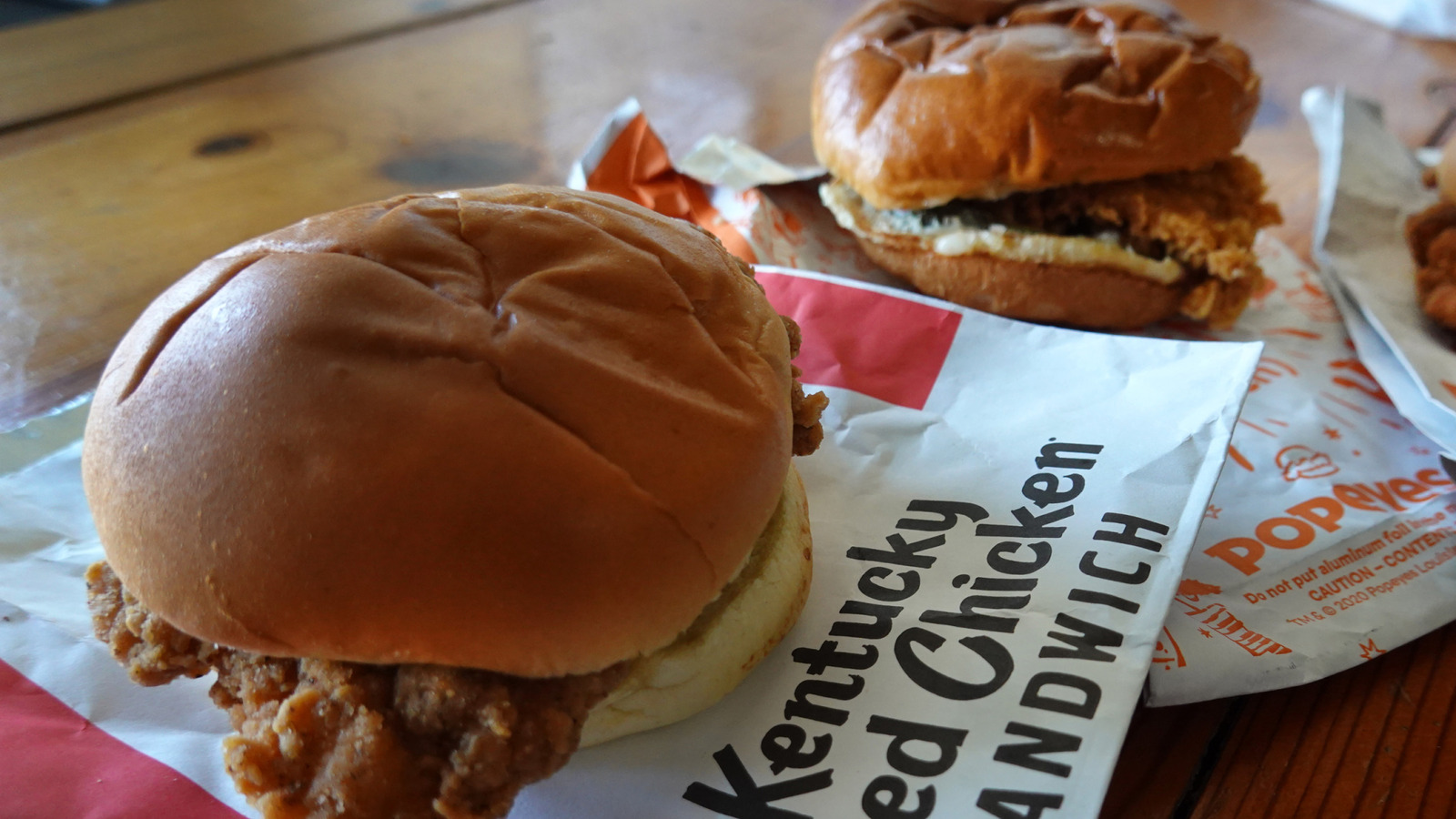
This extended bath allows the deeply spiced, Louisiana-inspired flavors to penetrate far beyond the surface, pushing seasoning deep into the fibers of the meat itself. Diners can order their chicken in either Classic or Spicy varieties. For those who opt for the heat, the lingering spice is not merely dusted onto the exterior skin as an afterthought; the warmth buries right down to the bone. This structural difference in how seasoning is applied forms the cornerstone of the debate between fans of the two brands.
The Fryer Makes All the Difference
While the seasoning and marination lay the groundwork for taste, the method of cooking ultimately determines texture, crunch, and moisture retention. Here, KFC and Popeyes diverge once more, utilizing distinct thermal technologies to achieve their respective finished products.
KFC’s iconic Original Recipe chicken is defined by its use of pressure-frying. Colonel Sanders landed on this innovative cooking technique back in 1939 after growing frustrated with traditional culinary methods of the era. Standard pan-frying took roughly thirty minutes per individual order, creating bottlenecks in service, while conventional open-deep-frying frequently left the interior meat dry and overcooked. By experimenting with a sealed, pressurized fryer, Sanders discovered he could drastically shorten the cooking time down to eight or nine minutes while sealing in the natural juices of the bird.
This historical technological choice also explains the signature physical characteristics of the Original Recipe. Pressure-frying yields a thin, soft skin that is decidedly more tender than it is crunchy. For customers who prefer a traditional, shatteringly crisp exterior, KFC offers its separate "Extra Crispy" line, which features a double-coated hand-breading technique cooked via conventional open-frying methods.
Popeyes skips the pressure-frying approach entirely, focusing its efforts on building a substantial, highly textured crust. Following its mandatory twelve-hour marinade soak, each piece of chicken is dipped in a wet batter and then aggressively tossed through seasoned flour by hand multiple times to create a craggy, uneven surface area that maximizes crispiness.
The battered chicken is subsequently fried for twelve minutes—adhering to a strict timeline favored by the brand—at a steady temperature of 340 degrees Fahrenheit. Furthermore, Popeyes remains one of the few major commercial fast-food chains that reportedly continues to fry its products using shortening containing beef tallow. This traditional culinary fat source is widely credited by food scientists and loyal fans alike for imparting a slightly richer, meatier undertone that enhances the overall sensory experience of the crust.
Ultimately, choosing between the two national chains comes down to personal preference regarding texture and flavor distribution. Diners seeking the nostalgic, savory, pepper-forward profile of a soft-skinned, pressure-fried bird generally gravitate toward KFC’s Original Recipe. Meanwhile, consumers prioritizing a heavy, rugged crunch combined with a deep, heat-infused marinade look to Popeyes as their destination of choice, particularly when opting for the spicy variety.
This enduring rivalry continues to spark passionate debates among fast-food enthusiasts across the country. As competition within the quick-service restaurant industry remains fierce, with regional competitors like Bojangles also frequently sparking customer debates over everything from tenders to dipping sauces, the fundamental differences in how KFC and Popeyes prepare their chicken ensure that both brands will continue to hold their distinct places in American fast-food culture.