


A recent law enforcement bust in the rugged terrain of Appalachia has cast a sharp spotlight on the mounting pressures facing the United States National Park Service. As national parks across the country grapple with severe staffing shortages and tightening budgets, rangers are finding it increasingly difficult to protect rare and valuable natural resources from a lucrative underground market. The specific incident, which unfolded in the Great Smoky Mountains National Park, underscores a growing conservation crisis fueled by high international demand for wild-harvested flora.
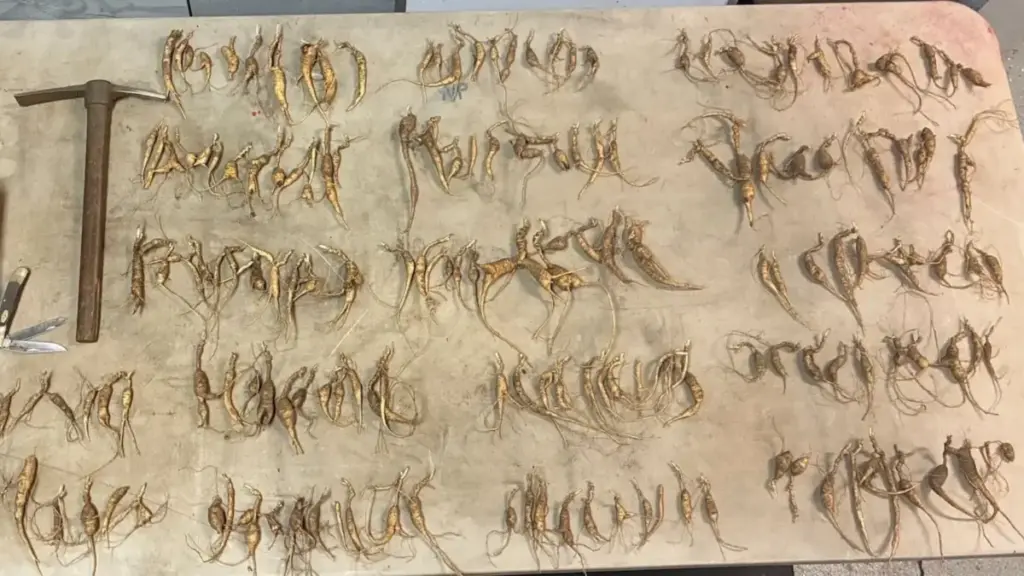
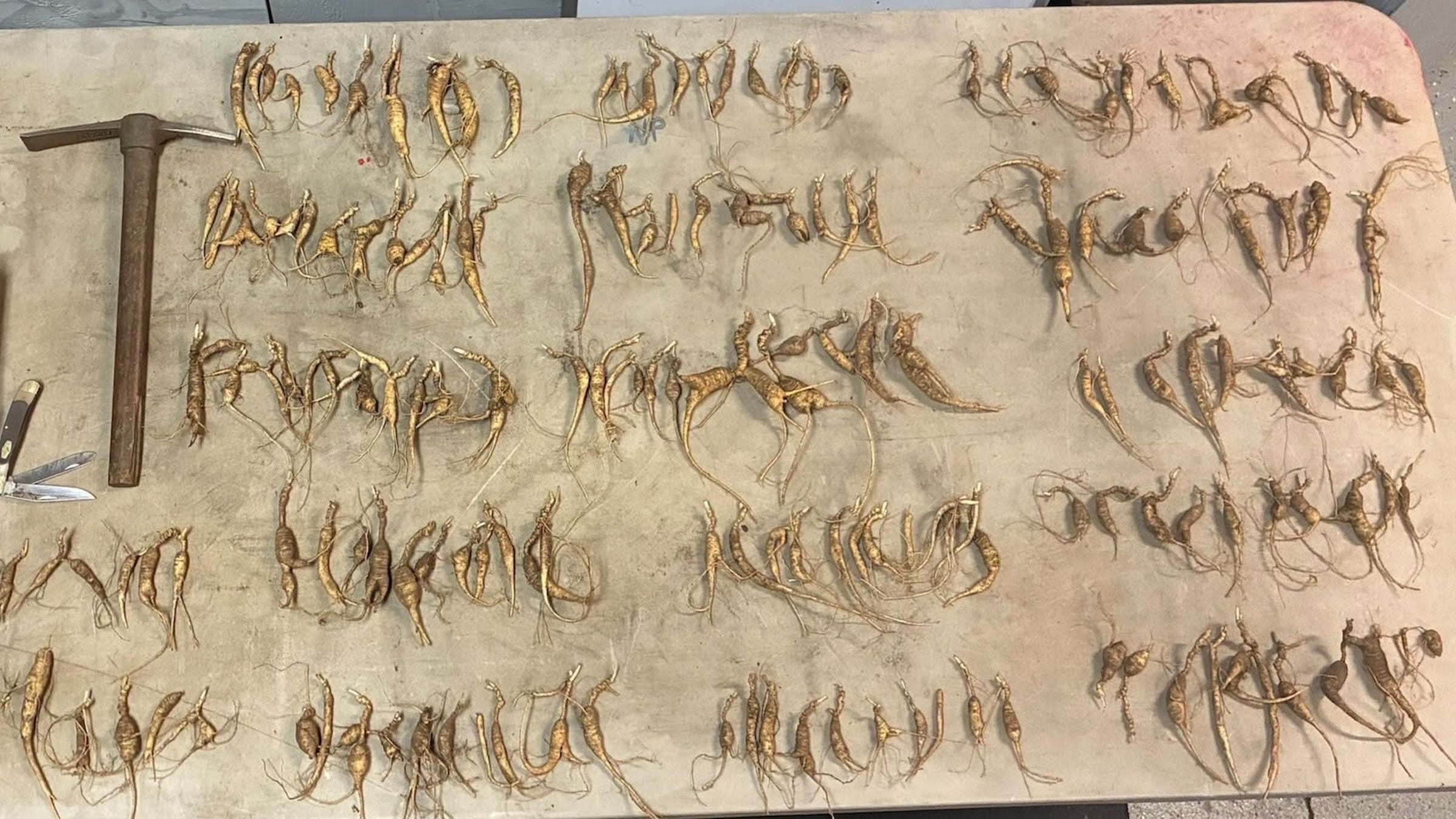
National Park Service rangers announced that they successfully recovered nearly 700 ginseng roots that had been illegally uprooted and poached from within the boundaries of the Great Smoky Mountains National Park. Federal authorities believe the massive haul was the work of two separate suspects operating within the protected federal lands. The recovery represents a significant seizure for the park, where laws and regulations strictly forbid visitors from disturbing or removing any natural items, including plants, animals, minerals, and even rocks. Violating these federal conservation laws carries severe potential consequences, including fines of up to $5,000 and sentences of up to six months in federal prison.
Conservation experts point out that the illegal removal of ginseng is not merely a minor regulatory infraction; it is a profound ecological blow to fragile forest habitats. Will Harlan, the southeast director for the Center for Biological Diversity, emphasized the gravity of the situation in an interview, noting that poaching is a long-standing regional challenge that has deteriorated significantly in recent years. Public lands, Harlan explained, represent some of the last viable strongholds for wild American ginseng, but even these heavily protected areas are now under constant siege by opportunistic poachers.
Following the recovery, park officials indicated that they would attempt to replant a portion of the seized ginseng roots in a bid to restore them to the forest floor. However, park representatives also cautioned that the delicate nature of the plant means only about one-third of the recovered roots are expected to survive the replanting process. This high mortality rate highlights the extreme fragility of the species and the irreversible damage caused when mature plants are prematurely yanked from their native soil.
"Free Money Out in the Forest"
The illegal harvesting of wild plants and animals creates a cascading series of negative environmental consequences throughout the ecosystem. Wildlife species depend heavily on these native plants for sustenance, and stripping them from the landscape diminishes the overall biodiversity and genetic health of remaining plant populations. Despite these ecological warnings, wild American ginseng has remained deeply coveted for centuries due to its perceived medicinal and therapeutic properties.
According to health resources such as the Cleveland Clinic, ginseng is widely utilized in various herbal teas and traditional remedies intended to treat common ailments, including indigestion and fatigue. At the same time, the U.S. Department of Agriculture reports that consumer demand for American ginseng remains exceptionally high, driven largely by a surging health consciousness and expanding markets overseas, particularly in China. Because wild American ginseng is frequently referred to by harvesters and traders as "green gold," its market value has skyrocketed. Data from the West Virginia Division of Forestry indicates that a single dry pound of wild ginseng can command more than $500 on the open market, creating a powerful economic incentive for illicit activity.
Harlan noted that this staggering financial potential transforms the plant into a prized commodity that is inherently vulnerable to illegal harvesting, even within the guarded boundaries of premier destinations like the Great Smoky Mountains National Park. While a number of agricultural operations across the United States cultivate ginseng on farms, purists and buyers in the underground market often view wild-grown ginseng as vastly superior in quality and potency, thereby driving up prices and encouraging poachers to brave public lands.
For many residents living in economically distressed parts of Appalachia who struggle to make ends meet, the temptation can be overwhelming. The presence of wild ginseng is frequently viewed by locals as free money waiting to be collected in the forest if one knows where to look. While the plants can still be found by those familiar with their favored habitats, experts warn that the wild population is barely hanging on under the relentless pressure of overharvesting.
Historically, the U.S. Forest Service and other land management agencies occasionally issued regulated harvesting permits for ginseng in designated national forests. However, due to increasingly unsustainable harvesting practices and declining populations, federal authorities have progressively pulled back or outright suspended these permit programs in recent years. Because a single wild ginseng plant can take up to a decade to reach full maturity, specialists stress that rigorous, uncompromising regulations are absolutely vital to safeguarding the herb’s remaining wild populations from total collapse.
Why Budget Cuts Are Making Ginseng Poaching Harder to Stop
Although national park rangers maintain specialized training to detect and intercept illegal harvesting operations, conservation advocates warn that their efforts are being severely undermined by external administrative factors. Significant staffing reductions implemented across national parks over the past several years have left agencies with drastically fewer personnel on the ground to patrol vast wilderness areas, investigate environmental crimes, and apprehend perpetrators.
This reduction in workforce capacity has stretched already thin ranger divisions to their absolute limits. The personnel cuts have created an environment where law enforcement officers must constantly triage competing emergencies, making it increasingly difficult to prioritize the prevention and investigation of ginseng poaching. Observers note that this predicament is indicative of broader systemic challenges facing public lands management, where shrinking budgets and diminished staffing levels routinely compromise the protection of natural and cultural treasures.
Park officials continue to urge visitors and outdoor enthusiasts to play an active role in conservation efforts by remaining vigilant and promptly reporting any suspicious behavior, such as individuals uprooting plants or disturbing vegetation, to park staff or law enforcement authorities. Public cooperation is viewed as an essential line of defense for lands where federal oversight has been constrained by administrative cutbacks.
The preservation of wild ginseng and other native species remains a collective responsibility that extends beyond the boundaries of federal agencies. Public lands and their rich biodiversity belong to the general public rather than a select few seeking private financial gain through illicit trade. Conservationists emphasize that reversing these destructive trends is critical if rare plants like ginseng are to flourish once more in their natural habitats, ensuring that these ecological treasures are not lost to future generations.