

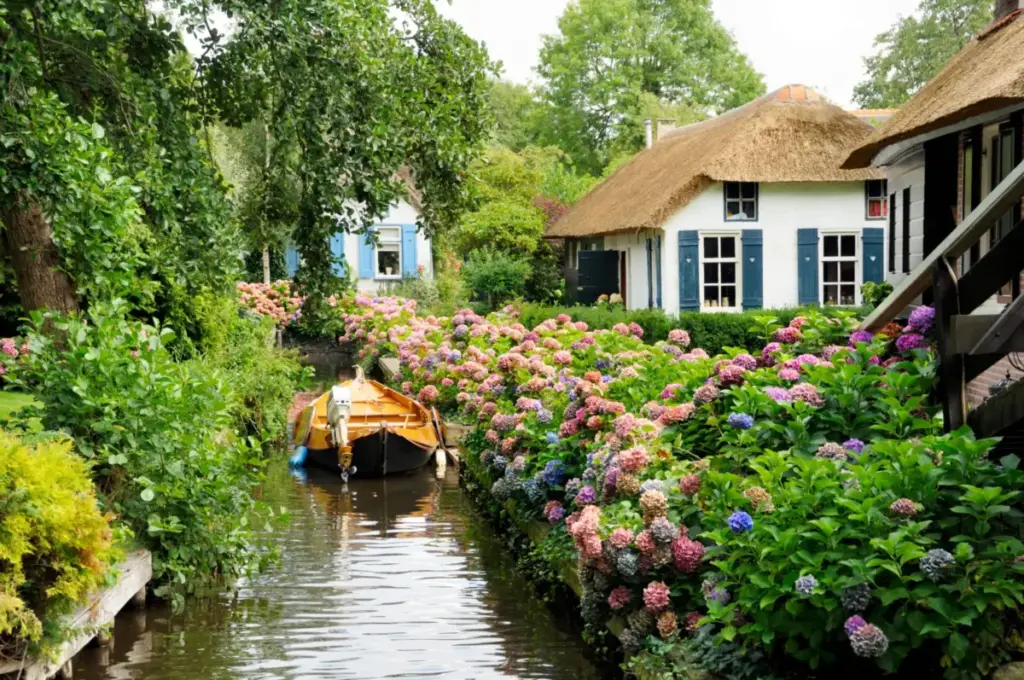
When people picture a classic storybook village, the mental image almost invariably features cozy cottages crowned with thick, textured thatched roofs. These picturesque dwellings evoke a sense of timeless romance, often associated in popular culture with the worlds of fairy-tale princesses, folklore, and daring historical adventurers. However, these charming architectural marvels are far from mere fantasy. Travelers across the globe can still discover living, breathing villages where homes and community structures feature traditional thatched roofs meticulously crafted from locally harvested dried vegetation. From the rolling hills of England to remote corners of Chile and the historic valleys of Japan, these resilient structures stand as testaments to an ancient building technique that continues to bridge the gap between human habitation and the natural environment.

Thatched roofing is widely recognized as one of the oldest known methods of shelter construction. Long before modern industrial manufacturing, standardized shingles, and corrugated metals dominated the architectural landscape, early human builders relied on whatever organic materials were readily available in their immediate surroundings. Depending on the geographic region and local climate, master builders utilized straw, palm branches, rushes, water reeds, sedge, or heather to construct durable overhead protection. These dried plants are bundled, layered, and secured in specific overlapping patterns designed to shed rainwater efficiently while maintaining structural integrity against the elements.
Despite their rustic appearance, thatched roofs possess remarkable scientific properties that have allowed them to endure for centuries. When constructed by skilled hands, a well-maintained thatched roof is exceptionally weather- and pest-resistant. The tightly packed layers of vegetation create a formidable barrier against heavy rain, snow, and wind. Furthermore, the natural cellular structure of reeds and straw provides exceptional thermal insulation. Homes featuring traditional thatch remain naturally cool during scorching summer months and retain warmth efficiently when winter temperatures plummet. Depending on the specific material chosen—with water reeds generally offering the greatest longevity compared to ordinary straw—a properly installed thatched roof can last anywhere from several decades to well over half a century.

Over the course of the modern era, however, this once-ubiquitous building style gradually fell out of favor. The rise of industrial urbanization, coupled with modern fire safety regulations and the availability of cheaper, manufactured roofing materials like tile and slate, led to a decline in thatched construction. In certain jurisdictions, the method faced strict limitations, and in some areas, it was even outlawed entirely due to perceived fire hazards associated with dry vegetation in densely populated environments. As modern building standards shifted toward uniformity, the specialized knowledge required to harvest, prepare, and install thatch began to dwindle, threatening to turn a rich architectural heritage into a lost art.

Yet, despite these contemporary pressures, a dedicated network of heritage villages around the world proudly continues to keep the thatched-roof style alive. These communities view the preservation of their historic architecture not merely as an aesthetic choice, but as a vital cultural duty. Protecting these landscapes relies heavily on a rare and highly specialized breed of artisans: master thatchers. These craftspeople spend decades mastering the intricate trade, learning the nuances of pitch, drainage, and material selection that ensure a roof can withstand the elements for generations.

The geographical spread of these living museums is as diverse as the plant materials used to roof them. In the idyllic countryside of the Cotswolds in England, honey-colored limestone cottages topped with steeply pitched water-reed and long-straw roofs define the quintessential rural English landscape. These historic settlements have become global symbols of heritage conservation, drawing architecture enthusiasts and travelers eager to witness a style of living that has changed little over the centuries. Similar preservation efforts can be observed in various regions across Europe, where historic preservation societies actively support the maintenance of thatched farmhouses and barns.

Beyond Europe, the tradition extends to remarkable international destinations. In Japan, remote rural settlements preserve ancient farmhouses featuring monumental thatched roofs designed to withstand heavy seasonal snowfall. These steep, triangular structures, often constructed using thick layers of susuki grass, represent a harmonious integration of local topography and indigenous engineering. Meanwhile, in regions of South America such as Chile, traditional building techniques incorporate native plant fibers to create sustainable shelters adapted to specific microclimates, demonstrating that the underlying principles of thatching are truly universal.

As global interest in sustainable and vernacular architecture experiences a renaissance, thatched roofs are increasingly viewed through a modern lens of ecological responsibility. Because the materials are biodegradable, locally sourced, and require minimal energy to harvest and process compared to synthetic roofing alternatives, thatching represents a remarkably low-carbon approach to shelter. By celebrating the historic villages that refuse to let the practice fade into obscurity, contemporary designers and travelers alike are reminded of the enduring value of ancient wisdom, proving that the classic thatched cottage remains as relevant to the future of sustainable building as it was to the past.