
Published October 1, 2026, by Elena Waldman
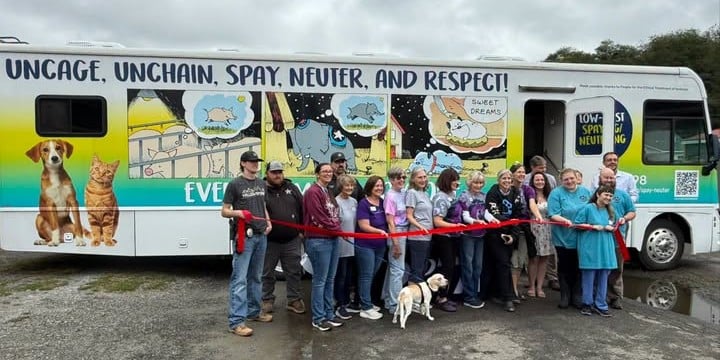
Rural southwest Virginia has gained a permanent resource in the ongoing fight against animal overpopulation. In a landmark development for the region, People for the Ethical Treatment of Animals (PETA) has officially handed over the keys to a fully equipped mobile spay-and-neuter clinic to the Twin County Humane Society, establishing Southwest Virginia’s very first permanent mobile sterilization unit.
The milestone was marked by a celebratory unveiling and ribbon-cutting ceremony designed to put the new vehicle immediately to work. Living up to the tradition of such veterinary milestones, the partnership commemorated the launch with an intensive two-day spay-and-neuter event. During the blitz, veterinary and support staff successfully sterilized, vaccinated, and microchipped 253 cats and dogs.
This latest collaboration builds on a robust history of shared regional efforts. Since 2023, PETA and the Twin County Humane Society have partnered to provide free sterilization surgeries for close to 1,000 animals across the area, bringing much-needed relief to a region where veterinary resources have historically been sparse.
The Small Surgery That Solve a Big Problem
Animal overpopulation and companion animal homelessness remain among the most persistent challenges facing rural and underserved communities nationwide. Every year, animal shelters across the country take in far more cats and dogs than they have the space, funding, or adoption demand to place. In many remote areas, the absence of nearby veterinary clinics and the prohibitive cost of private veterinary care create insurmountable barriers for pet guardians trying to do the right thing.
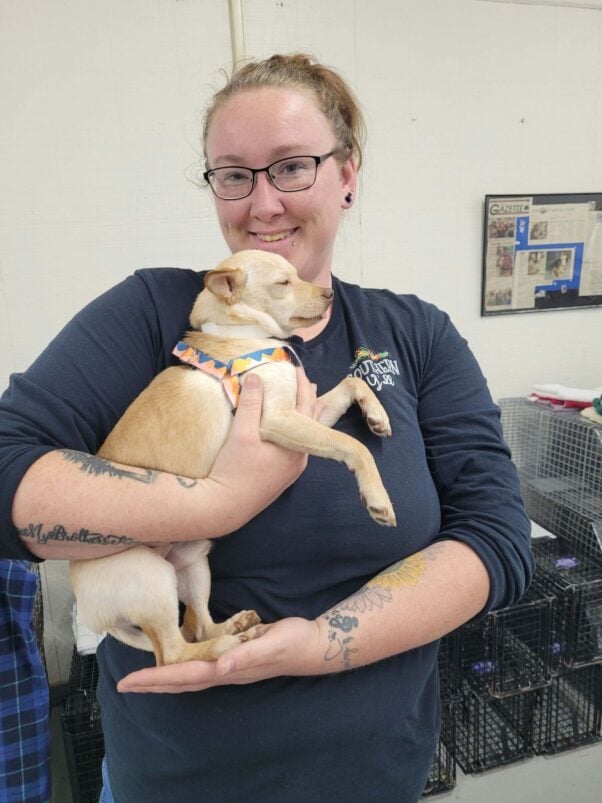
“The overwhelming number of homeless and unwanted animals is one of our community’s most persistent struggles,” said Twin County Humane Society Vice President Stephanie Kordick. “Year-round access to affordable spay-and-neuter surgeries is how we start shrinking those numbers and give more animals a chance, and we’re grateful to PETA for making this possible.”
Beyond curbing the broader demographic crisis of shelter overcrowding, pediatric and adult spaying and neutering confer significant, documented health benefits to individual pets. Medical research shows that sterilized animals consistently live longer, healthier lives. Spaying completely eliminates the risk of fatal uterine infections and ovarian cancer while drastically reducing the incidence of mammary tumors, especially when performed before a female animal’s first heat cycle. Similarly, neutering male cats and dogs prevents testicular cancer and significantly lowers the likelihood of developing troublesome prostate diseases, all while curbing roaming behaviors and aggression related to mating instincts.
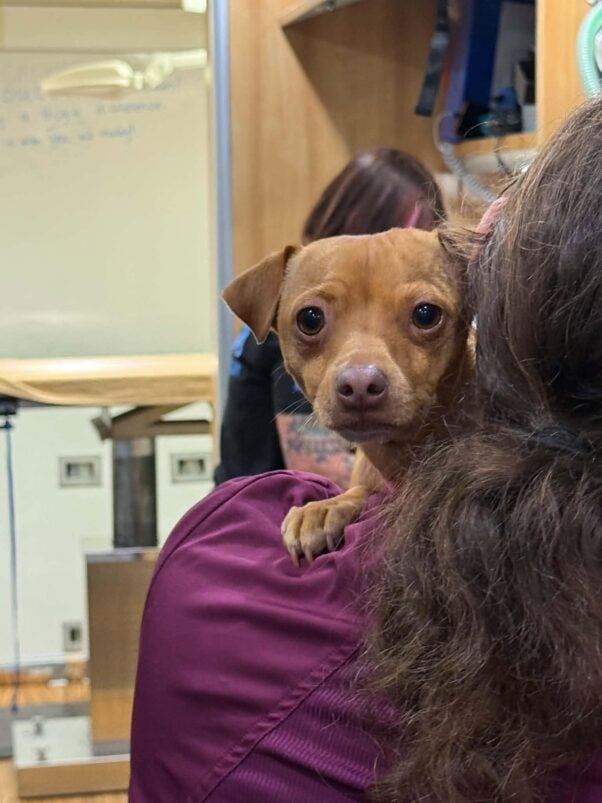
Fieldworkers Also Brought Comfort, Care, and Second Chances
Addressing the root causes of animal suffering requires more than surgical interventions; it demands direct, boots-on-the-ground engagement in the community. Alongside the clinical launch, PETA fieldworkers canvassed local neighborhoods, acting on tips and direct pleas from the Twin County Humane Society and local animal control officers.
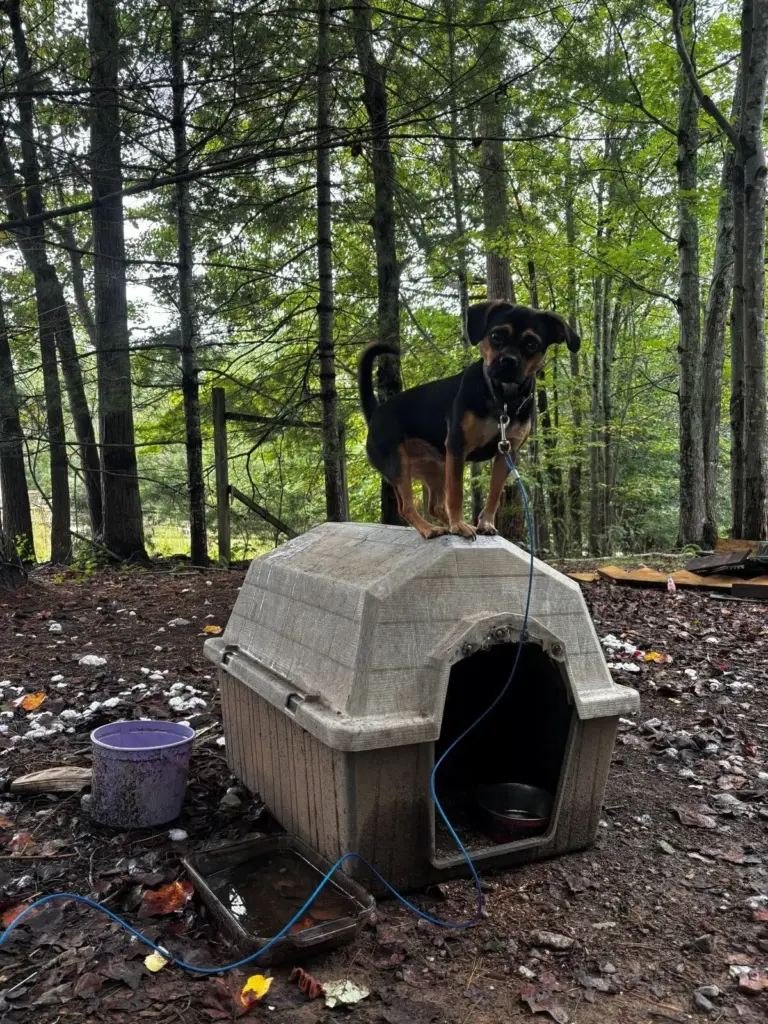
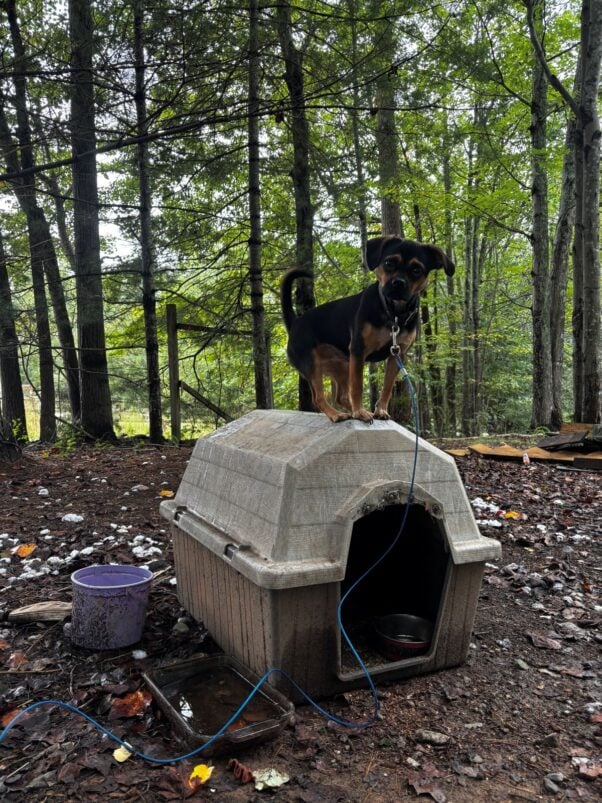
For many dogs in the region, life is spent tethered outdoors to heavy chains, exposed to the elements without adequate shelter or human companionship. During the outreach initiative, fieldworkers brought vital upgrades and immediate comforts to these neglected animals. Dogs tethered outside received heavy-duty upgraded doghouses, essential flea and tick medications, brand-new collars, lightweight tie-outs to replace dangerous heavy chains, and their very first toys. Fieldworkers also tended to immediate physical needs by performing nail trims and carefully removing matted, dirty fur, all while showering the animals with much-needed affection and human contact.
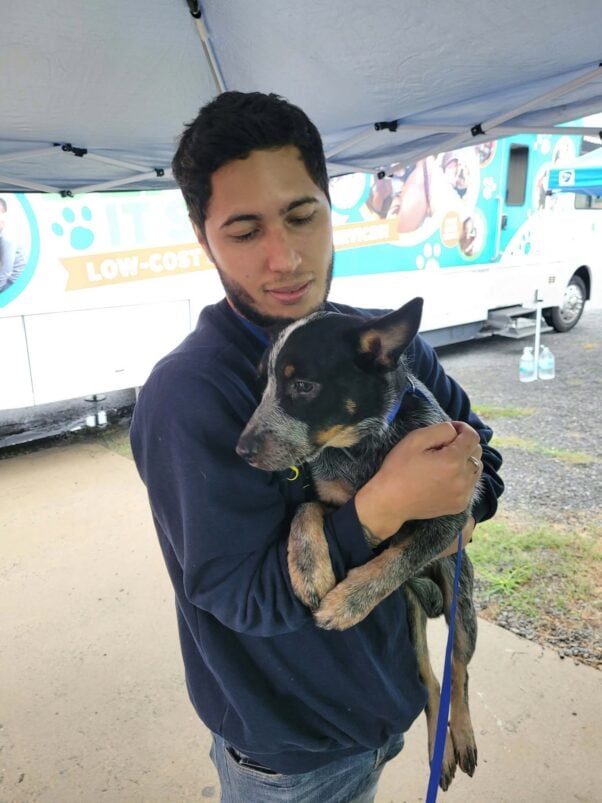
The most transformative outcomes, however, involved ten fortunate dogs who were given an entirely fresh start at life. With the full consent and cooperation of their previous guardians, PETA fieldworkers arranged for these dogs to transition from outdoor tethers to safe, comfortable indoor homes. The dogs were transported to PETA’s home base in Norfolk, Virginia, where they are currently experiencing indoor living, soft couches, and compassionate care for the very first time as staff work diligently to match them with permanent, loving adoptive families.
Among these success stories is a dog named Boopsie. When PETA fieldworkers first encountered her, she was tethered outdoors next to a small, inadequate plastic doghouse. Today, Boopsie is resting comfortably indoors with a dedicated foster guardian, safely sheltered while she awaits her forever home.
PETA Has Sterilized 262,000 Animals and Counting!
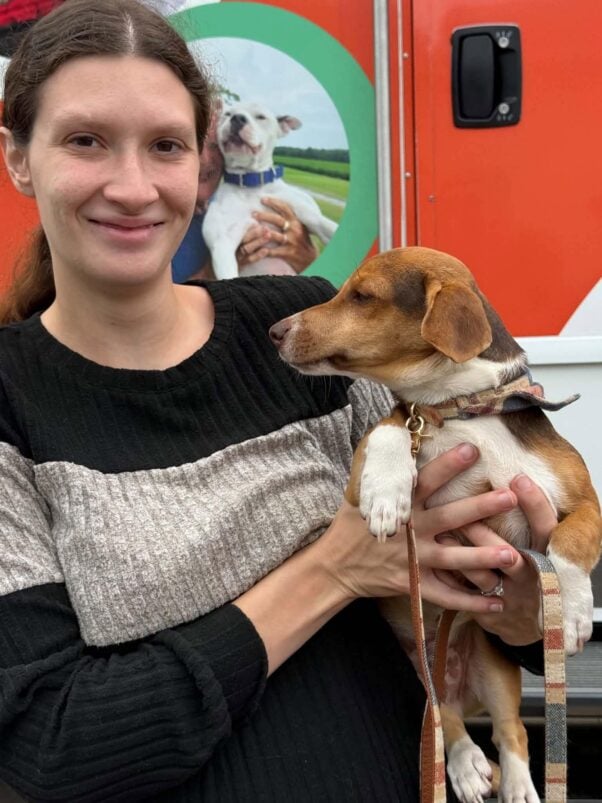
The new permanent clinic in Southwest Virginia represents the latest chapter in a long-standing national initiative. Since launching its mobile clinic program in 2001, PETA has successfully sterilized more than 262,000 animals, directly preventing the births of millions of potentially unwanted puppies and kittens over the decades. Alongside these high-volume surgical programs, the organization’s hands-on fieldwork has improved the daily lives of countless animals by supplying necessities that enhance their safety, comfort, and long-term health.
Every individual spay or neuter procedure plays an essential role in mitigating the broader companion animal homelessness crisis. When cats and dogs are left unsterilized, new litters are routinely born into households and communities that are already stretched to their absolute limits financially and logistically. Unwanted animals frequently face severe hardships in trying to survive on their own, confronting constant hunger, communicable diseases, harsh seasonal weather, the dangers of heavy traffic, and the risks of human abuse or neglect. Those that are eventually rescued often wind up in traditional animal shelters that operate with tightly constrained space and perpetually limited resources.
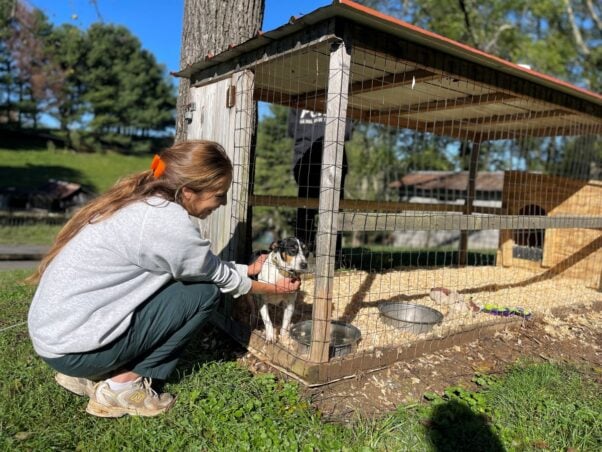
For 25 years, PETA’s mobile clinics have been traveling directly to the communities that need them most. By removing economic and geographic barriers and bringing affordable veterinary services straight to underserved populations, these mobile units aim to stop animal suffering before it even has the chance to begin.
The Road Ahead Is Full of Snips!
With the keys formally handed over and the initial two-day surgical blitz successfully completed, the Twin County Humane Society is looking forward to the next phase of the project. The organization anticipates opening up regular public appointment scheduling for the newly minted mobile clinic by mid-November.
Community members interested in sustaining the initiative can support the vehicle’s ongoing operating costs, which will directly expand local access to affordable sterilization services and allow the clinic to reach an even greater number of cats and dogs throughout the region.