



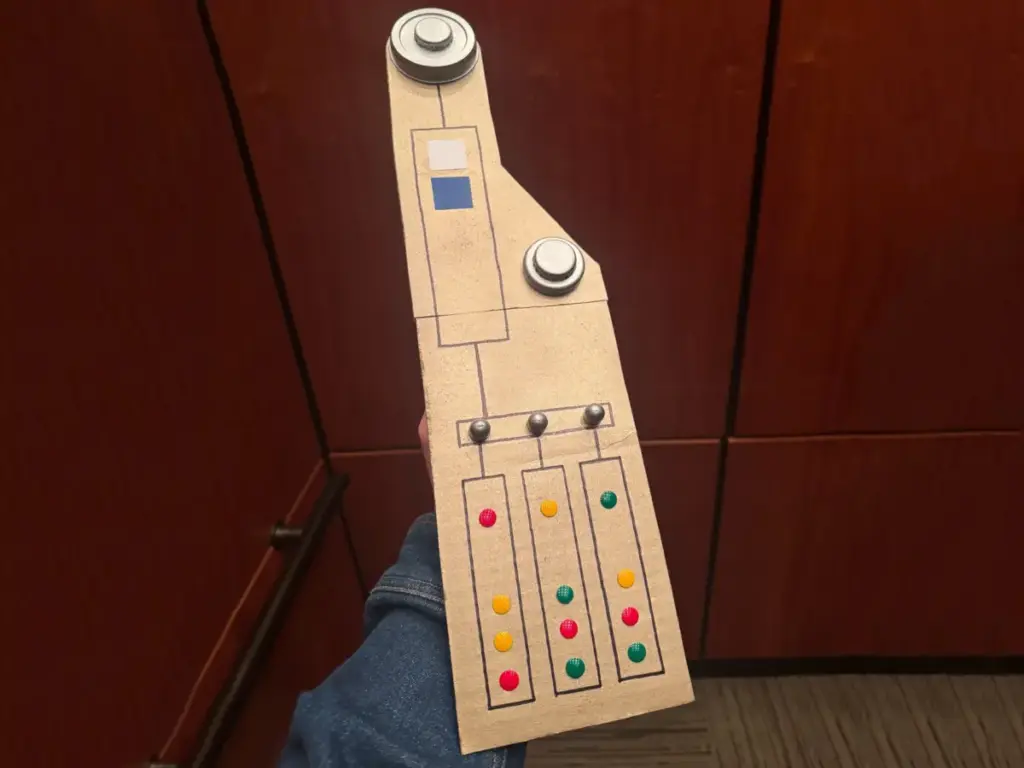
The meticulous art of taking ordinary household junk, discarded scraps, and leftover plastic pieces from old model kits and affixing them to the surface of a prop to generate rich texture, intricate detail, and striking visual contrast has long been known in the special effects community as greebling. It is a time-tested design philosophy and fabrication technique that the legendary visual effects powerhouse Industrial Light & Magic (ILM) has utilized since the studio’s inception in 1975, when artists and model makers were tasked with building entire galaxies from scratch using whatever materials they could find. Today, that exact cinematic technique is being embraced by makers, prop builders, and hobbyists looking to add authentic sci-fi depth and mechanical complexity to custom projects, such as a replica control panel.
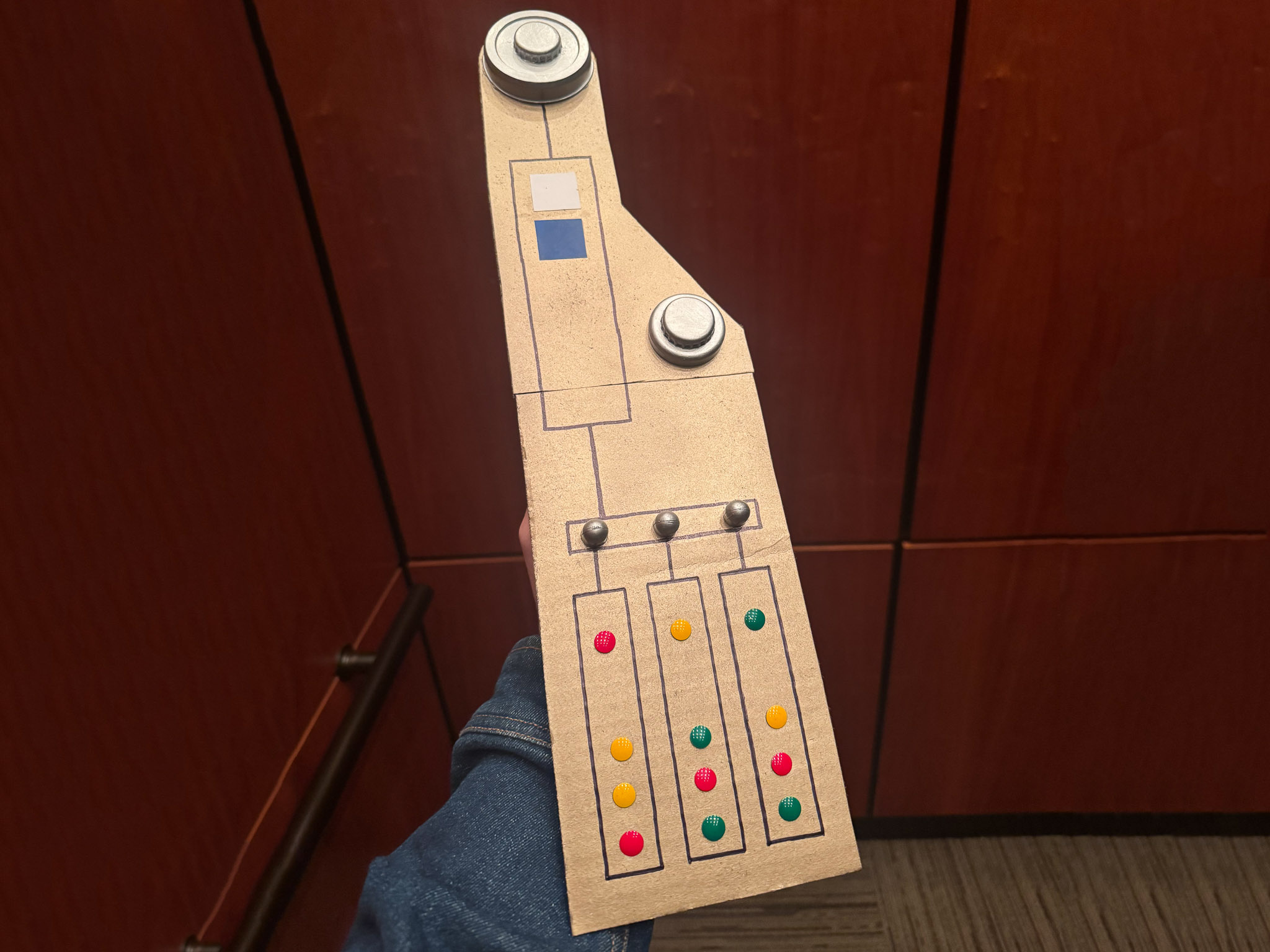
The foundational concept behind greebling—often affectionately referred to in the community as adding "greebles" or "greeblies"—lies in breaking up flat, uninteresting surfaces to trick the human eye into perceiving massive scale, heavy machinery, and high-tech functionality. When ILM pioneers were building the original models for groundbreaking science fiction universes in the mid-1970s, they did not have access to advanced computer-generated imagery or rapid prototyping machines. Instead, they relied heavily on a process known as kitbashing, harvesting plastic pieces from military tanks, ship models, and various household objects, then gluing them onto larger geometric shapes. This method created the iconic, highly detailed aesthetic seen on classic spacecraft, futuristic machinery, and utilitarian control panels that defined a generation of cinema.
For modern builders looking to replicate this storied aesthetic on a smaller scale project, such as a custom-built control panel, the process begins much the same way it did on Hollywood soundstages nearly fifty years ago: with a thorough search for raw materials. The initial phase of creating these intricate surface textures involves gathering a variety of circular components and cylindrical shapes. Anything from discarded bottle caps and the remnants of broken children’s toys to specialized packaging components can serve as the building blocks for compelling greebles. In typical workshop applications, builders often scour their recycling bins and craft supplies for items like standard beverage bottle caps, small yogurt containers, and the protective plastic caps typically found on shipping poster tubes. These everyday objects possess unique ridges, bevels, and inner dimensions that, when viewed up close, lose their mundane origins and begin to resemble sophisticated technological components, indicator lights, and heavy-duty housing units.
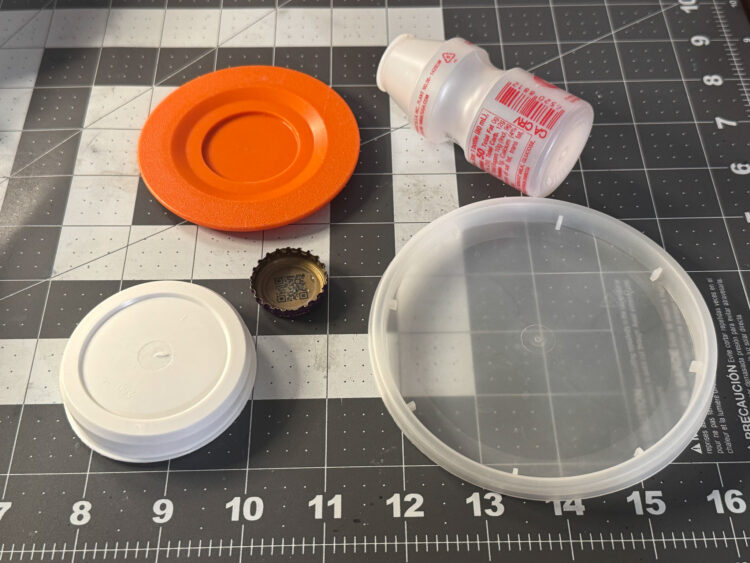
Once a sufficient collection of raw junk and scrap components has been gathered, the next critical phase of the greebling process requires structural assembly and composition. Builders utilize strong adhesives, such as fast-acting super glue or reliable hot glue, to fuse the individual pieces together, stacking them in specific configurations to create distinct, multi-tiered circular structures. These layered assemblies are frequently designed to serve as the prominent focal points on a control panel, such as the two large, visually striking silver details that anchor the design. In standard prop-making practice, these primary circular features are typically scaled to measure approximately two inches across at the base of the largest circle, ensuring they command enough visual weight to draw the eye without overwhelming the rest of the panel’s layout. By thoughtfully combining different diameters and heights of plastic scraps, fabricators can achieve a sense of mechanical depth that flat materials simply cannot provide.
In addition to large, prominent focal elements, a convincing control panel requires smaller mechanical accents to populate the remaining surface area and enhance the illusion of a functional interface. This involves the creation of smaller dials, switches, and cylindrical ports using readily available plastic items. Common choices for these secondary components include miniature plastic bottle caps, thick boba straws, or any other narrow, easily cuttable plastic cylinders found around the home or workshop. For many builders, disposable plastic medical pipettes offer an ideal resource; by cleanly slicing the tapered ends of the pipettes at approximately half-inch intervals, creators can easily produce uniform, perfectly scaled miniature cylinders that mimic the look of specialized instrument dials or small control knobs. These smaller pieces are then strategically placed across the panel layout, filling in negative space and contributing to the dense, busy aesthetic characteristic of classic science fiction control interfaces.
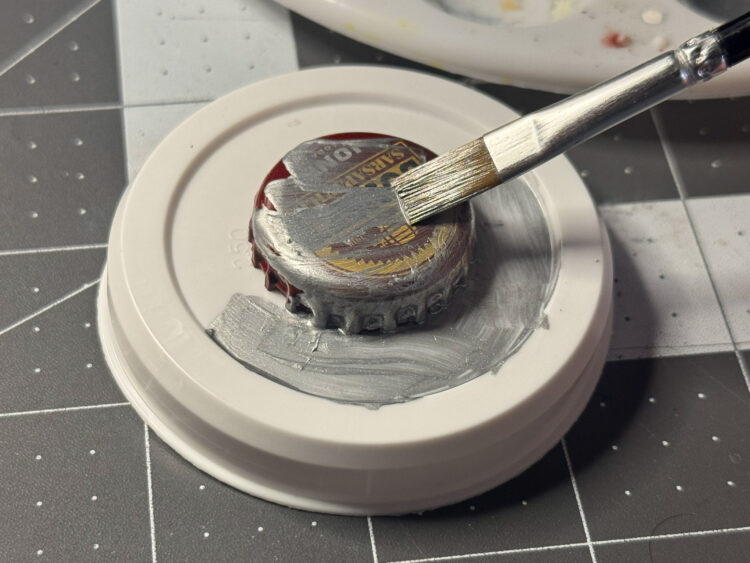
The final stage of bringing these assembled scraps and junk components together into a cohesive prop involves surface finishing and painting, a step that unifies disparate materials into a believable, metallic whole. Once the various plastic caps, straws, and cut segments have been securely glued into their designated positions on the control panel, they are thoroughly coated using metallic craft paint and standard artist brushes. Because these objects originate from brightly colored plastic packaging, toys, and household containers, a solid coat of silver paint is essential for transforming them into industrial-grade machinery parts. Painters must exercise caution during this phase, ensuring they work over a properly covered and protected workspace to prevent accidental spills or paint transference onto surrounding surfaces. Through this careful application of color and texture, humble scraps are successfully converted into the sophisticated greebles that continue to honor a cinematic tradition established over four decades ago.