

You run tap water through a filter every single day and figure the necessary boxes are firmly checked: that chlorine taste is gone, mystery particles are handled, and microplastics have been successfully removed. But the reality of home water filtration is far more complex, and not all water filters are created equal. Depending on the exact type, brand, and age of the filter system you use in your home, potentially harmful contaminants like lead, PFAS, arsenic, and agricultural pesticides could still be making it past the barrier and straight into your drinking glass.
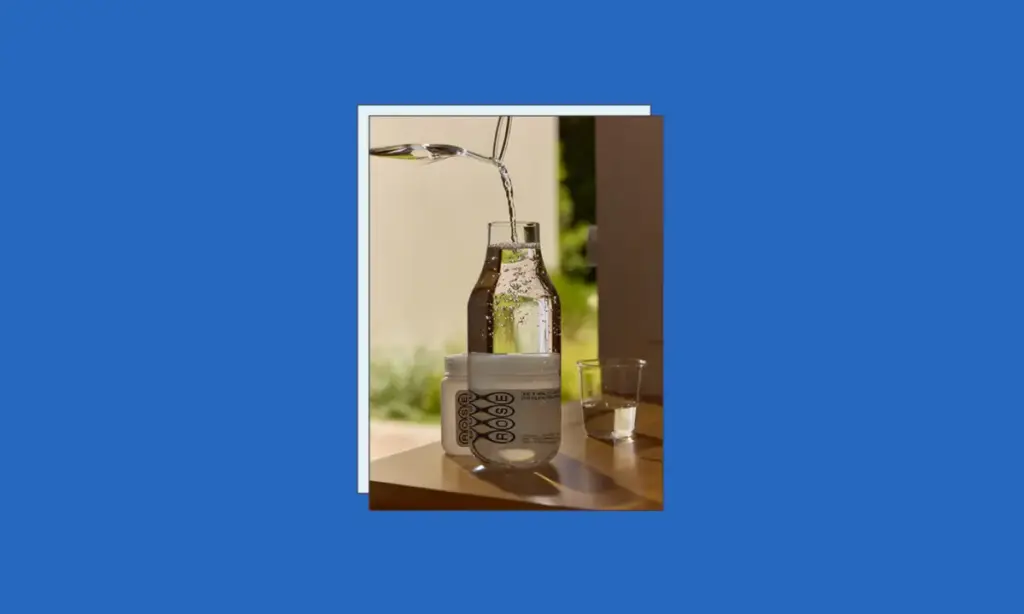
That persistent uncertainty is precisely what a new at-home testing option aims to solve. ROSE Water has entered the market as a comprehensive home-testing tool designed to help consumers truly understand what is lurking in their drinking water, even after it has passed through a pitcher, faucet attachment, or under-sink filtration system. Co-founded by Eli Bronner and Henry Ellis, ROSE positions itself as an exposure-health company backed by a scientific advisory board boasting specialized expertise in environmental health, toxicology, epidemiology, and chemistry.
Why Having a Filter Doesn’t Mean You’re Covered
Many consumers assume that installing any water filter provides blanket protection against all waterborne hazards. However, water filters are generally certified to perform very specific, targeted jobs rather than stripping every single potentially harmful contaminant out of a municipal supply or private well.

According to the NSF, an organization that develops independent testing standards for water filtration systems, different certifications mean vastly different things for water safety. For instance, NSF/ANSI 42 certification focuses primarily on improving the aesthetic qualities of water—such as enhancing taste, eliminating unpleasant smells, and clarifying appearance—rather than reducing hazardous contaminants that pose genuine health risks.
For actual health protection, consumers must look for filters certified under NSF/ANSI 53 or NSF/ANSI 58, the latter of which applies specifically to reverse osmosis systems. These rigorous standards address contaminants known to have adverse health effects, though the specific substances an individual filter is certified to reduce can still vary wildly from one model to the next.
In practical terms, just because your tap water tastes crisp and clean does not mean it is free of dangerous, invisible contaminants like lead, arsenic, or synthetic chemicals. Unless a homeowner thoroughly researches what their specific filter model is certified to remove and cross-references that with their local water report, they might not be getting the level of protection they assume they have.

What’s Actually at Stake in Your Drinking Water
The potential health risks associated with unfiltered or improperly filtered drinking water are well-documented by federal agencies and scientific researchers. According to the United States Environmental Protection Agency (EPA), there is no safe level of lead exposure, which is the foundational reason why the agency’s health-based goal for lead in drinking water is set strictly at zero.
Despite this federal target, studies reveal a troubling prevalence of the heavy metal in everyday water supplies. One prominent study found that roughly 25% of tap water sources tested exceeded 1 part per billion of lead, which is the stringent reference level recommended by the American Academy of Pediatrics to protect developing children. Lead exposure can cause irreversible behavioral and learning disabilities, lower IQ, and slow growth in children, while posing serious cardiovascular and kidney risks to adults.
Beyond heavy metals, per- and polyfluoroalkyl substances—commonly known as PFAS or "forever chemicals"—present an equally daunting challenge. These synthetic chemicals do not break down easily in the environment or the human body, accumulating over time. PFAS exposure has been closely linked by health researchers to elevated cholesterol levels, liver damage, thyroid disease, and serious reproductive health concerns. Furthermore, these chemicals are alarmingly widespread across the United States. One recent scientific study estimated that between 71 million and 95 million Americans may rely on groundwater sources containing detectable levels of PFAS.

Inside the ROSE At-Home Water Testing Kit
To combat these hidden exposures, the newly launched ROSE Water Test offers a clinical-grade solution for residential use. Priced at $399 for a single-tap kit, the system analyzes a single tap water sample for more than 100 distinct contaminants. The testing panel covers a wide spectrum of hazards, including PFAS compounds, agricultural pesticides, heavy metals, and volatile organic compounds, commonly known as VOCs. For households with multiple high-use areas, the company also offers a two-tap bundle option to test water from different sources within the same home.
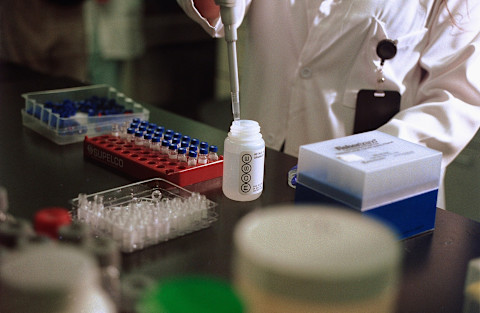
Once collected, water samples are sent directly to an ISO-certified laboratory for processing. According to the company, the testing methods employed exceed standard EPA performance criteria, providing laboratory-grade precision to everyday consumers. The brand operates under a clear, cyclical philosophy: "Test. Treat. Track." Rather than guessing blindly about what kind of filtration technology a home requires, consumers can use the concrete data from their lab results to identify specific contaminants, invest in the correct treatment methods, and eventually retest their water to verify whether those changes successfully cleaned up the supply.
How the Testing Process Operates
Despite the advanced scientific backing and clinical-grade laboratory analysis, the consumer experience of collecting the sample is designed to be straightforward and accessible. The process begins the night before sample collection by freezing an included ice pack. The following morning—ideally after the household tap has gone completely unused for roughly eight hours to capture standing water in the pipes—the user collects the water sample. The entire collection procedure takes approximately seven minutes.

After securing the sample, the user drops the insulated kit off at a UPS location on the same day, with a strong recommendation to ship Monday through Wednesday to avoid weekend transit delays that could compromise the sample integrity. Results are delivered directly to the user by email, and the ROSE support team is available to help interpret the scientific findings and answer questions about the data.
Turning Results Into an Actionable Plan
Having precise data regarding what is in your water changes the entire approach to home filtration. For instance, if the laboratory results detect high levels of lead or specific PFAS compounds, a homeowner no longer has to guess which filter to buy; they can directly target systems certified under NSF/ANSI 53 or 58 that are specifically rated to reduce those exact contaminants.
Conversely, a test might reveal that an existing filtration system is working perfectly, but that the filter cartridge simply needs replacement sooner than expected. Because standard manufacturer replacement recommendations are typically based on broad national averages rather than an individual’s specific local water chemistry, routine retesting provides an empirical way to optimize filter maintenance schedules.
The introduction of the water test is only the initial step for the exposure-health startup. The company has already outlined plans to expand its service offerings into biomarker-based exposure testing, with a rollout targeted for early 2027. Longer-term corporate goals include branching out into air quality, mold detection, and bodily exposure testing as part of a comprehensive, multi-pillar exposure-health platform.
Ultimately, the launch of tools like the ROSE Water Test highlights a growing consumer demand for transparency regarding environmental exposures. As questions persist regarding the safety of municipal water infrastructure and the true efficacy of household appliances, obtaining a clear, scientifically verified picture of what is actually coming out of the kitchen tap remains the most reliable starting point for protecting long-term health.