Infinity Ward has long held a reputation as the premier studio for delivering gripping, cinematic single-player campaigns within the historic Call of Duty franchise. While enduring classics like the original Call of Duty 4: Modern Warfare and Modern Warfare 2 continue to set the gold standard for the series, the modern reboot era established a strong footing with the 2019 release of Call of Duty: Modern Warfare. Now, following years of fluctuating single-player experiences across different sub-franchises, Modern Warfare 4 arrives to stake its claim among the finest campaigns the long-running military shooter franchise has ever produced.
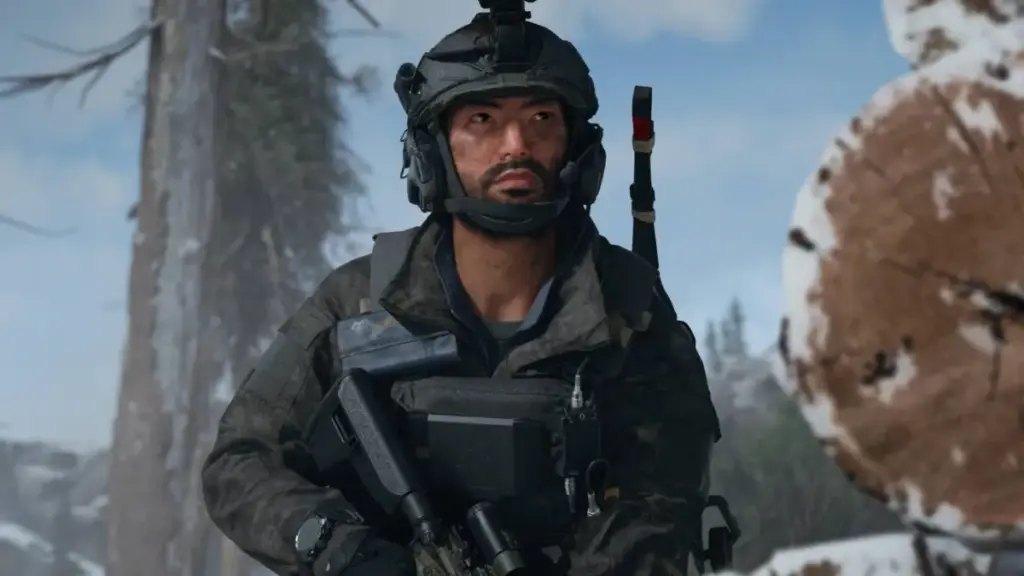
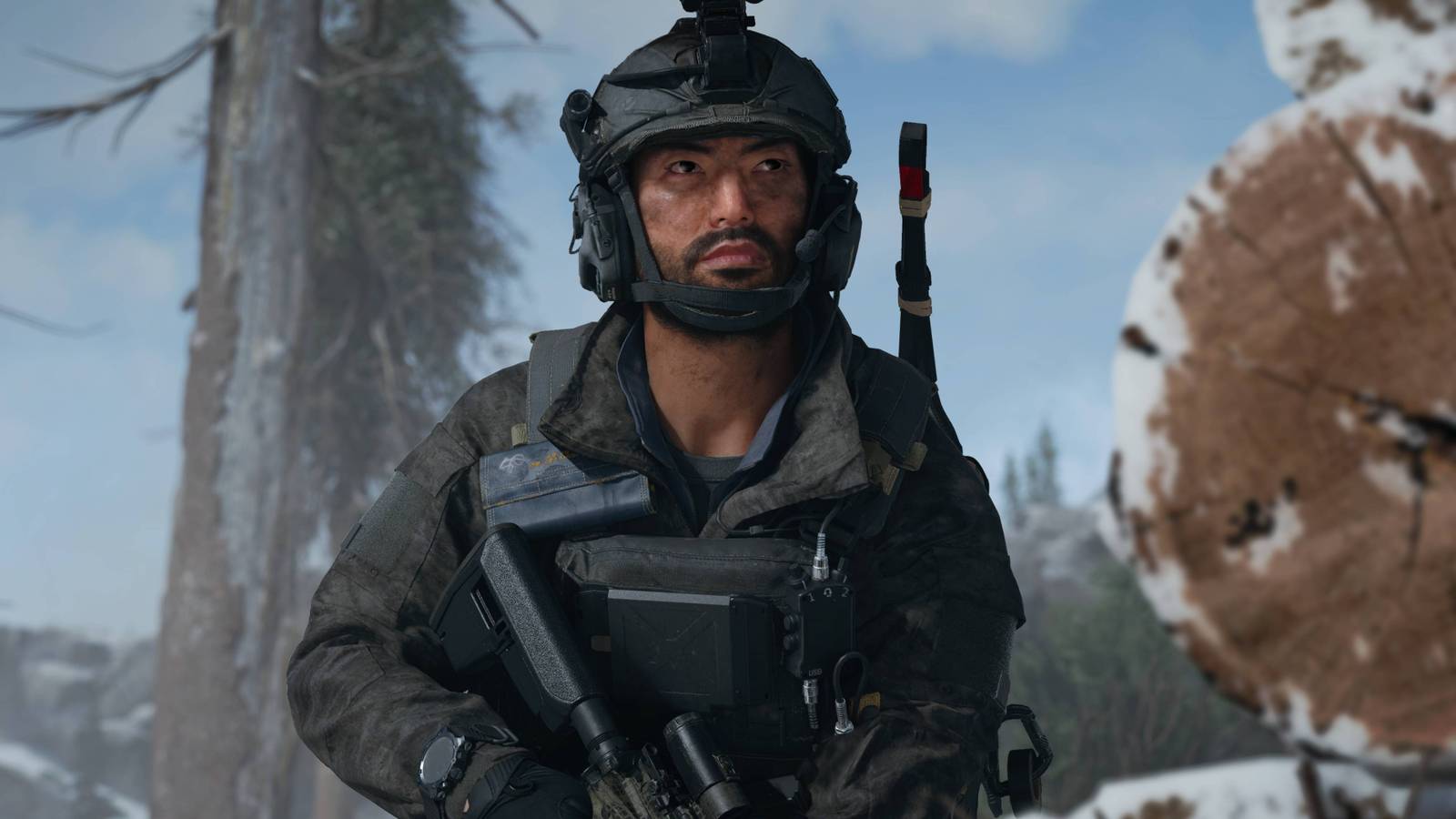
The narrative framework of Modern Warfare 4 is split across two distinct, simultaneous storylines that showcase different facets of global conflict. The first narrative follows Sierra-1, a combined unit consisting of South Korean and United States military personnel tasked with holding the line against a massive invasion by North Korean forces. Over the course of several tense, fast-paced missions, players battle through the devastated streets of the fictional Hajin City, navigate a frigid, snow-covered wasteland deep inside North Korea, and fight through heavily fortified trench systems to prevent a catastrophic nuclear reactor meltdown.
Running parallel to the frontline military struggle is a more traditional, covert Modern Warfare plotline. Players step back into the boots of the legendary Captain John Price, who finds himself on the run following his assassination of the traitorous General Shepherd at the conclusion of Modern Warfare 3. Price’s relentless hunt for the elusive Russian defense minister—known only as the Archer, portrayed by Mads Mikkelsen—pulls him and an unlikely alliance of cartel contacts across the globe. The pursuit takes Price from the urban sprawl of New York and the romantic streets of Paris to Mumbai and, ultimately, into the heart of North Korea.
This dual narrative structure draws heavily from contemporary geopolitical headlines, lending the campaign a grounded sense of realism. The scenario of a North Korean invasion bolstered by Russian backing feels chillingly plausible within the game’s universe. This realism shines brightest through the eyes of Sierra-1, where characters like Park Hyun-Jun are simply fighting for survival, experiencing the conflict at face value. Their raw, boots-on-the-ground struggle contrasts sharply with the high-stakes political maneuvering and espionage driving Captain Price and Ghost behind the scenes.
MW4 is one of the good types of COD campaigns
Historically, Call of Duty campaigns tend to fall neatly into two camps: those that leave a lasting impression long after the credits roll, and those that fade into obscurity the moment the game is uninstalled. Last year’s entry, Black Ops 7, firmly belonged to the latter category, criticized by players and critics alike for its convoluted hallucinatory sequences and overly cartoonish boss fights that strayed too far from the franchise’s military roots.
Modern Warfare 4, conversely, firmly establishes itself as a masterclass in linear military storytelling. From the opening moments, when an electromagnetic pulse plunges Hajin City into darkness and forces players to fight through the gloom before intercepting paratroopers descending into a sports stadium, the campaign rarely lets up. Nearly every mission features high-octane set pieces designed to elicit genuine excitement and awe.
The game embraces its cinematic inspirations with confidence, resulting in several standout operational set pieces. In one memorable sequence, Captain Price channels the kinetic intensity of an action star while hunting down long-standing antagonist Vladimir Makarov inside a neon-lit New York nightclub. Meanwhile, Sierra-1’s desperate bid to retake Hajin City evokes the harrowing atmosphere of classic war cinema, mirroring the intense D-Day landings of Saving Private Ryan as allied troops disembark from naval craft under devastating suppressive fire.
Furthermore, Infinity Ward has refined its approach to close-quarters combat and stealth mechanics. Several missions place players in severely compromised positions, stripped of heavy ordnance and vastly outnumbered. These levels offer a choice between evading the patrols of heavily armed guards or neutralizing them silently from the shadows. The resulting tension transforms the military shooter into an atmospheric, high-stakes thriller, evoking comparisons to survival horror games as players navigate labyrinthine prison corridors.
MW4 dabbles in open-world frameworks
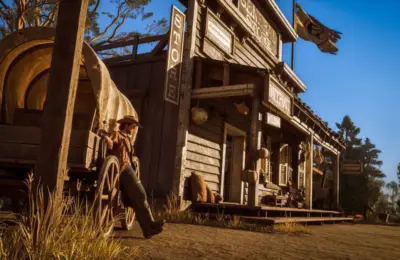
Despite its heavy reliance on tightly scripted, linear thrills, Modern Warfare 4 also experiments with broader gameplay structures. This is most apparent in the mission titled "Stranded," which shifts the pacing from a roller-coaster ride to an open-world sandbox environment reminiscent of a miniature Far Cry game.

Within this mission, players are tasked with navigating an open map containing enemy outposts to clear, supply crates to discover, enemy patrols to evade, and vehicles to commandeer. The collected supplies can be returned to a central base of operations to craft additional weaponry and tactical equipment. This design choice continues a broader franchise trend that began with the open combat missions in Modern Warfare 3, saw refinement in Black Ops 6 with the acclaimed "Hunting Season" mission, and stumbled somewhat in Black Ops 7 before finding its footing here.
When evaluated on its own merits, "Stranded" provides an engaging diversion filled with hidden secrets and multiple tactical approaches to primary objectives. However, its placement within the campaign creates a noticeable pacing hurdle. Transitioning from a relentless string of explosive, linear set pieces to a slower, exploratory sandbox environment can temporarily deflate the narrative momentum.
Players do have the option to bypass the open-world exploration entirely by utilizing fast-travel systems directly to the primary objectives. Yet, doing so carries a distinct gameplay penalty: skipping the supply collection leaves players with severely limited loadouts for the mandatory tasks ahead. Entering an underground bunker without night-vision goggles or attempting a snowy mountain infiltration without a suppressed weapon significantly increases the difficulty. Furthermore, bypassing the exploration drastically cuts down the overall playtime of an already concise campaign.
Technical hiccups occasionally disrupt the immersion. While many are minor or humorous—such as squadmate artificial intelligence mistaking a deployed recon drone for the player character and pursuing it across an island—others carry more weight. Players may encounter standard video game jankiness, including grenades failing to register on enemies caught mid-animation, explosive bomb drones spinning uncontrollably upon launch, or collision detection issues that allow players to fall through seemingly solid rooftops. In more severe instances, saving and quitting mid-mission has been known to lock out interactive elements upon reloading, forcing a complete mission restart.
Despite these occasional technical stumbles and a relatively brief runtime that clocks in at around eight hours, Modern Warfare 4 delivers a stellar single-player campaign that easily secures a spot among the franchise’s all-time greats. While the narrative surrounding Sierra-1 reaches a definitive conclusion, the unresolved threads involving Captain Price and his team strongly point toward future installments, leaving narrative questions lingering as the credits roll. Ultimately, for its commitment to cinematic spectacle, grounded realism, and unforgettable operational moments, the campaign stands as a defining achievement for the studio.