This decision mirrors a similar move made at Universal Studios Hollywood, which shuttered its counterpart attraction in 2023. For decades, the "Animal Actors" shows at both theme parks featured a rotating cast of dogs, cats, birds, and other species performing scripted tricks and stunts for live audiences. While these performances were marketed as family-friendly entertainment, animal welfare advocates have long argued that the reality behind the scenes stood in stark contrast to the lighthearted tone projected on stage.
The closure brings to a close an era in which Universal relied on animals supplied by Birds & Animals Unlimited, a prominent and controversial animal provider in the entertainment industry. For years, PETA and other watchdog organizations have targeted the supplier, citing numerous welfare concerns regarding how the animals were housed, trained, and cared for away from the spotlight. With the upcoming closure of the Orlando attraction, animal advocates are now calling on Universal leadership to ensure that this policy shift becomes permanent by committing to keep live animals entirely out of any future theme park attractions, signaling a broader industry-wide transition toward animal-free entertainment.
Behind the Scenes at Birds & Animals Unlimited
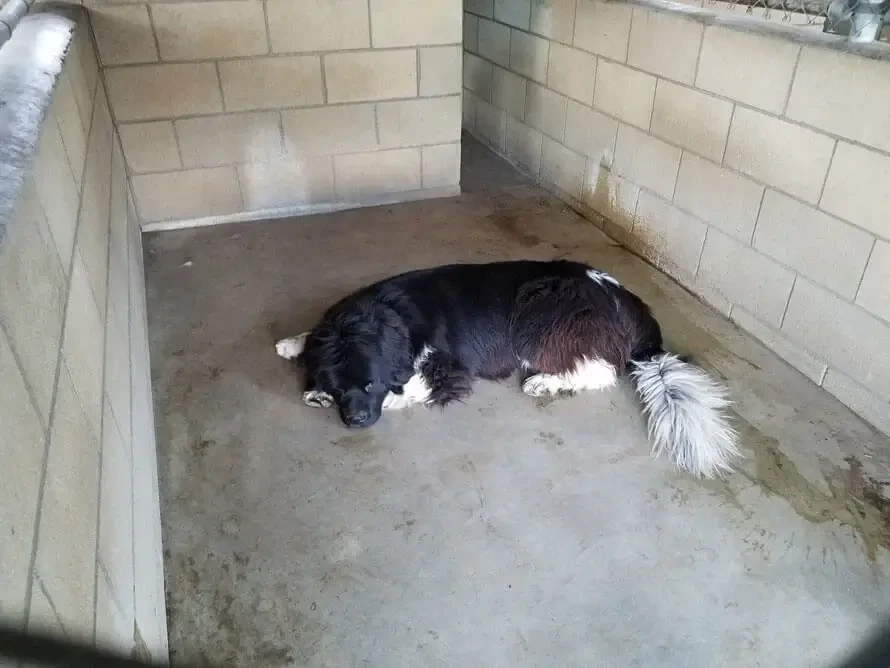
The decision by Universal to phase out its animal shows follows a series of troubling revelations concerning the treatment of animals supplied by Birds & Animals Unlimited. Investigations spearheaded by PETA exposed severe welfare violations at the supplier’s facilities, painting a grim picture of the conditions endured by the animals when they were not performing on stage. According to findings compiled by a PETA investigator, animals managed by BAU were routinely denied adequate veterinary care, even when suffering from evident sickness or injury.
Furthermore, the investigation revealed that animals were forced to live within filthy, cramped enclosures that failed to meet their basic behavioral and psychological needs. To coerce the animals into performing demeaning tricks and stunts under the bright lights of the theme park stage, trainers reportedly withheld food, using hunger as a primary training mechanism.
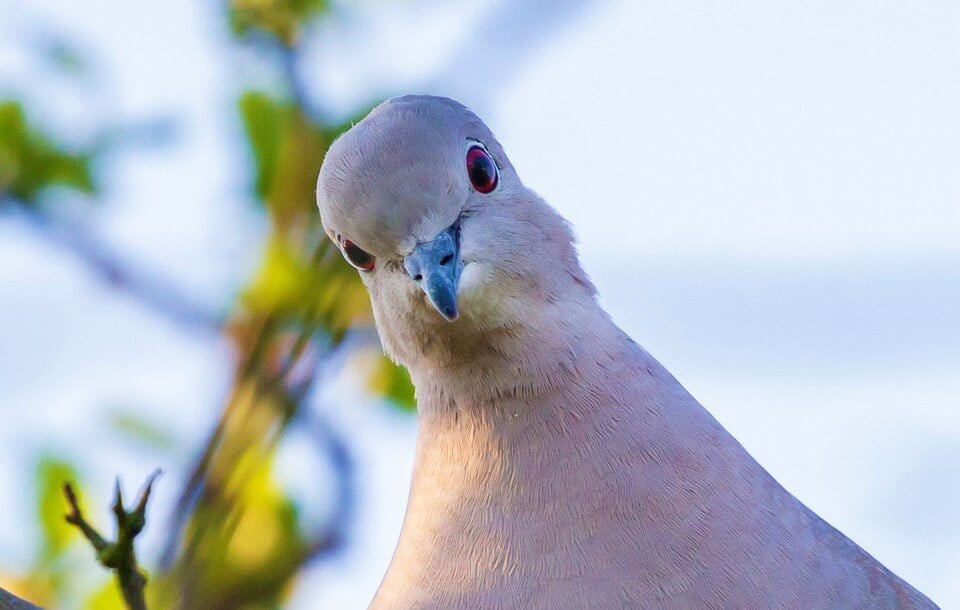
The findings extended to shocking accounts of neglect and cruelty behind closed doors. An employee disclosed to investigators that workers routinely killed pigeons bred specifically for the Universal show by forcefully pulling off their heads while the birds remained fully conscious. In one particularly egregious instance documented during the investigation, a mite-infested pigeon slumped over and died after a manager allegedly ignored its deteriorating condition for hours. In another case, a pig named Lewis, who had been officially retired from the performance circuit, was left to suffer and limp in pain for more than a week before management finally contacted a veterinarian to provide medical evaluation and care.
These revelations intensified public and institutional scrutiny surrounding the operational practices of entertainment suppliers, eventually forcing theme park executives to reevaluate their reliance on live animal performers.
Thanks to PETA, Cruel Animal Acts Are Going Extinct
The closure of Universal’s animal shows does not happen in a vacuum; rather, it reflects a broader, accelerating cultural and industrial shift away from the exploitation of live animals for human amusement. Across the entire entertainment spectrum, audiences are increasingly turning away from attractions that rely on captive animals, prompting circuses, theme parks, and legislative bodies to abandon practices that were once considered standard entertainment fare.
This evolution has been driven by years of persistent campaigning by PETA and numerous other animal protection organizations. One of the most notable victories in this ongoing movement was the effective elimination of great apes from mainstream Hollywood productions. Universal itself removed all primates from its live theme park shows back in 2014, a decision that helped the company shed its controversial reputation as one of the last remaining major U.S. exhibitors that forced chimpanzees and orangutans to perform elaborate routines on stage.
The traditional circus industry has experienced a parallel reckoning. Over the past several years, public pressure and changing consumer expectations have led multiple organizations, including various Shrine Circuses, Circus World, and the Carden Circus, to phase out and ultimately drop elephant acts from their traveling performances.
Legislative bodies have also stepped in to codify these changing standards into law. In 2026, Illinois joined a growing number of states by enacting a ban on the use of big cats, primates, and bears in circuses and traveling shows. This legislation built upon an existing state prohibition that already restricted traveling elephant acts. Similar protective measures and outright bans on the use of wild and exotic animals in traveling performances are already firmly established on the books in nearly a dozen other states across the country, including Washington and Colorado.
As these legal restrictions expand and public sentiment continues to shift toward compassion and ethical accountability, traditional animal acts are steadily fading into history. The impending closure of Universal Orlando’s "Animal Actors" show stands as another major chapter in this transformation, signaling that the era of using live animals for cheap laughs and forced performances is drawing to a close.