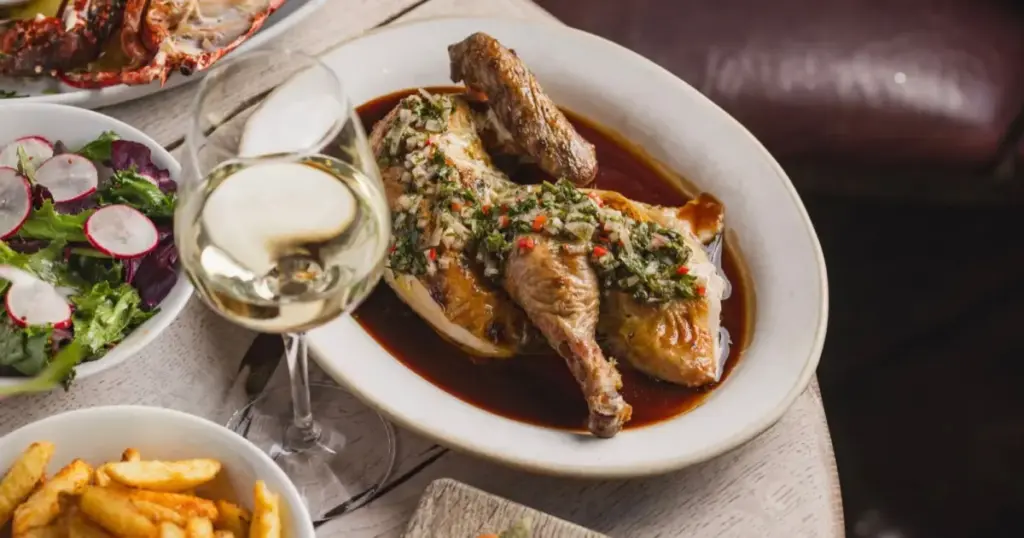
The debate over artificial intelligence in commercial marketing has reached a critical boiling point, intersecting at the unusual nexus of online advertising, consumer skepticism, and the time-honored craft of food photography. Recently, a professional food photographer found themselves browsing the comments of a local restaurant’s promotional post on Facebook. The post featured a series of glaringly obvious AI-generated food images: excessively glossy finishes, sauces defying the laws of physics, and bread bearing an uncanny resemblance to a synthetic sponge. When observant users began calling out the blatant fakes, one commenter rushed to defend the restaurant with a sentiment that would ultimately spark a widespread industry debate.
"Food photography is all pretty much fake anyway," the commenter argued. "They use fake ingredients and fake techniques to do everything."
For professionals whose livelihoods depend on capturing the genuine culinary creations of chefs, the statement struck a raw nerve. Yet, rather than dismissing it as casual internet ignorance, it prompted a deeper reflection on how the proliferation of generative AI is distorting the public perception of commercial imagery, marketing ethics, and the true nature of modern photography.
Everything is Fake Anyway, Apparently!
To understand the commenter’s perspective, one must acknowledge that the belief did not materialize out of a vacuum. The commercial photography industry of the 1960s and 1970s did indeed rely on illusion. During the golden age of print advertising, ice cream was frequently simulated using mashed potato, pancake syrup was substituted with motor oil, and cereal bowls were filled with PVA glue to keep flakes afloat. Burgers were left partially raw to maintain their plump profile and meticulously painted with shoe polish for a savory sheen.
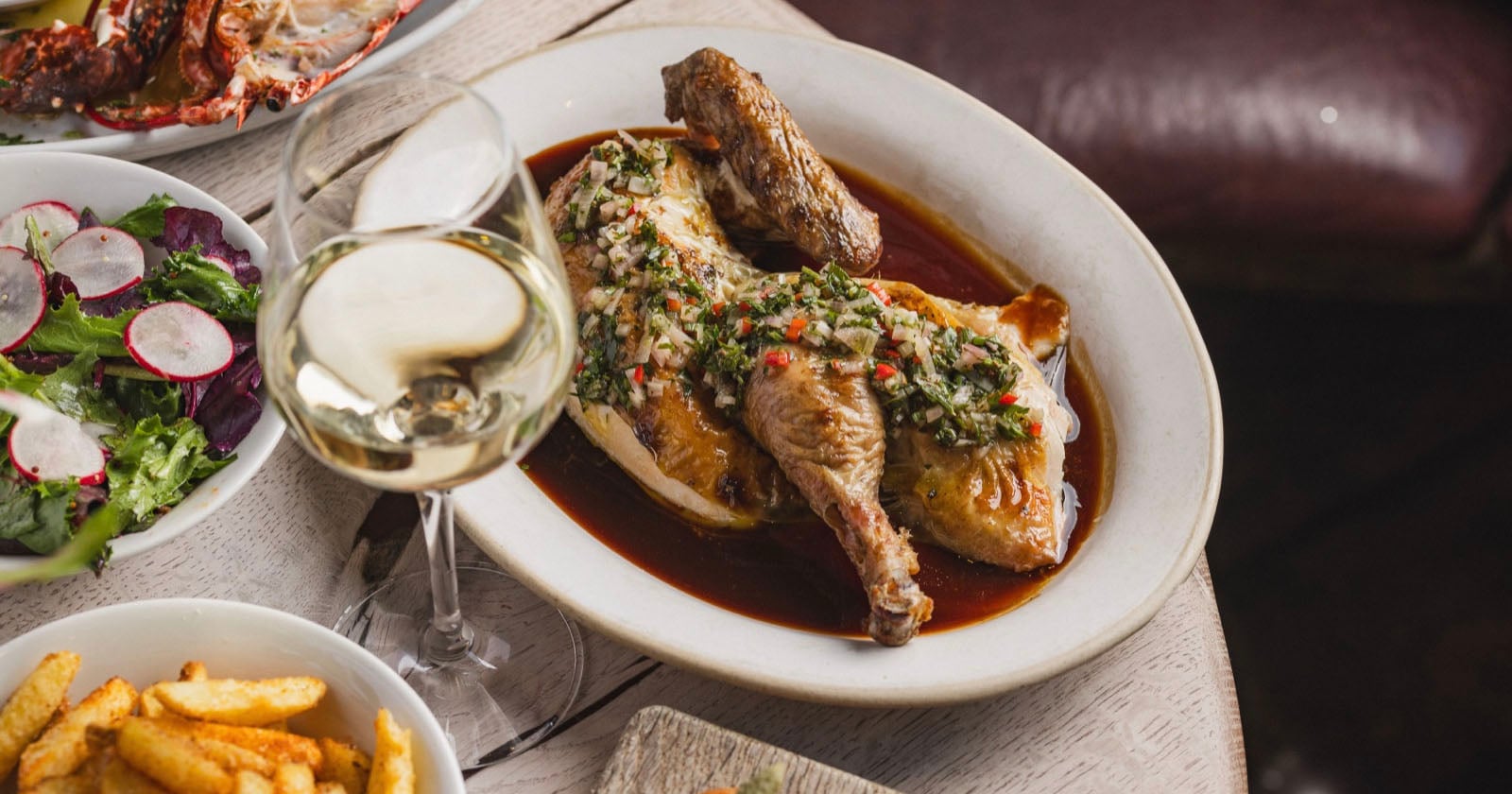
However, that era underwent a dramatic and permanent transformation. In 1970, American regulatory bodies took strict enforcement action against misleading food styling, ruling against companies like Campbell’s for dropping glass marbles into vegetable soup to force ingredients to the surface. Modern advertising regulations across the globe strictly mandate that the product advertised must be the actual product sold to the consumer. In the United Kingdom, the Advertising Standards Authority enforces rigorous compliance; in one notable instance, authorities purchased multiple fast-food burgers to directly compare them against promotional imagery, resulting in regulatory penalties for the offending chain.
Furthermore, the practical necessity for artificial stand-ins largely vanished alongside technological advancements. The vintage studio lighting equipment of the mid-20th century generated immense heat, melting actual ice cream in under thirty seconds. Modern lighting solutions, such as contemporary cold-running flashes, eliminate these thermal hurdles, allowing photographers to work with authentic food without resorting to drastic culinary substitutions.
Dispelling the Myths of Commercial Photography
Addressing the common misconception that professional imagery is largely fabricated, working commercial photographers often point to the stark reality behind their shoots. While industry standards may occasionally involve structural support, such as hidden cocktail sticks used to keep a towering sandwich stable during a prolonged lighting setup, the core ingredients remain genuine.
This practice is comparable to a portrait subject dressing in formal attire and styling their hair before a professional session; it is not a falsification, but a presentation of the subject at its absolute best. Major fast-food corporations have previously demystified their own promotional imagery, demonstrating that campaign burgers consist of the exact same ingredients found in a standard order. The sole difference lies in the allocation of time—dedicating hours to thoughtful assembly and composition rather than the hurried seconds of a rush-hour kitchen order.
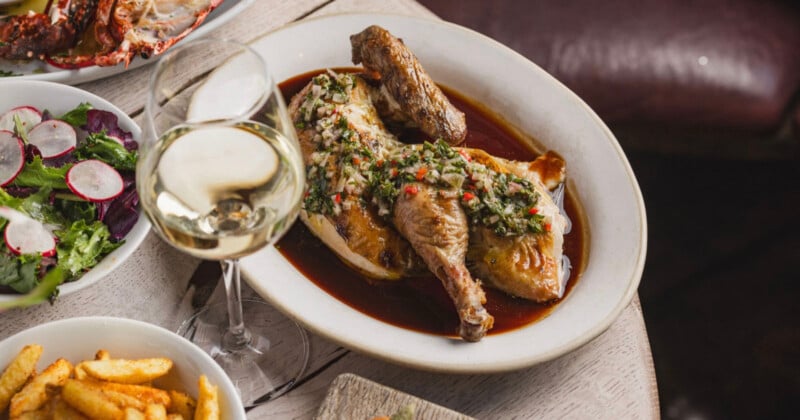
In sharp contrast, generative artificial intelligence conjures a dish out of statistical probabilities. When an AI model produces an image of a meal, it relies on patterns scraped from across the internet rather than capturing an existing plate prepared by a local kitchen. The resulting dish is a phantom creation—something visually plausible, but entirely impossible for a customer to actually order or consume.
When food delivery platforms integrated options for algorithmic imagery to fill missing menu slots, the consequences were immediate and often surreal. Diners ordering from local establishments frequently encountered bizarre visual artifacts, such as sweet dessert pies filled with melted mozzarella, burgers bearing multiple top buns, or packaging labels covered in garbled, non-existent text. While these glitches initially generated amusement online, the underlying trend has quietly permeated smaller-scale menus and promotional posters with more subtle forms of digital fabrication.
Beyond the culinary sector, the implications extend to corporate branding, hospitality, and retail. An algorithmically generated hotel room or a synthetic team portrait creates a false expectation. When patrons eventually experience the physical reality, the discrepancy inevitably fuels negative reviews. Market research indicates that while large multinational corporations possess sufficient brand loyalty to absorb the fallout of an idealized advertisement, independent businesses suffer disproportionately from consumer backlash.
The Broader Impact of Digital Shortcuts on Brand Trust
The debate ultimately transcends technical accuracy, touching upon core questions of business integrity. When consumers encounter a restaurant or local business relying on synthetic imagery rather than showcasing their own offerings, it often triggers deeper skepticism regarding operational standards. The prevailing consumer sentiment reflected across online forums suggests that businesses unwilling to display their genuine products may be concealing deficiencies in their kitchens, service, or hygiene.
Instances of public backlash are mounting. A San Francisco café recently faced sharp local criticism after placing algorithmic illustrations of its pastries in the storefront windows. The display drew immediate mockery on social media, culminating in localized vandalism and forcing the owners to spend hundreds of dollars to replace the synthetic signage with physical displays of their actual baked goods.
While proponents of synthetic media often cite budget constraints or the expense of hiring professional designers, the economic argument has largely dissolved. Modern design platforms offer extensive libraries of professional templates at no cost, and contemporary mobile devices are fully capable of capturing high-resolution imagery suitable for digital marketing when paired with adequate lighting. Consequently, the reliance on automated generation is less a matter of financial necessity and more a reflection of short-term convenience.
Navigating the Intersection of Technology and Craft
Despite valid concerns regarding the misuse of generative imagery, many creative professionals acknowledge that artificial intelligence has become an integrated component of modern business operations. Digital tools are frequently utilized to streamline administrative workflows, draft initial design layouts, or write backend code for booking systems. The distinction lies in the methodology: utilizing technology as an organizational aid versus employing it to manufacture misleading representations of physical reality.
The ethical boundary is defined by transparency and intent. Using a digital assistant to organize text or test layout structures is a functional application; generating fabricated representations of food, venues, or personnel and presenting them as authentic documentation crosses into deception.
Furthermore, technical limitations continue to plague automated image generation in professional contexts. Image models inherently lack an understanding of page geometry, margins, grid systems, and print bleed specifications. Consequently, algorithmic flyers and posters frequently exhibit cramped typography, inadequate resolution for professional printing, and incorrect color profiles. Print shops are increasingly rejecting files identified as raw algorithmic output due to their failure to meet basic graphic design standards.
The Rising Prevalence of Verification Challenges
As algorithmic media becomes more pervasive, consumer trust continues to erode. Comprehensive studies on human perception indicate that individuals struggle significantly to differentiate between authentic photography and synthetic media, frequently performing little better than a random coin toss when evaluating human portraits. This pervasive ambiguity has fostered a climate of generalized doubt, with majorities of consumers expressing frequent skepticism regarding the authenticity of digital content.
This phenomenon has inadvertently created a new burden for authentic creators. Photographers are increasingly forced to grapple with accusations of digital fabrication applied to genuine work, prompting the development of digital verification tools designed to analyze file metadata and pixel structures. The shortcuts taken by some operators have thus created collateral verification challenges for those who maintain traditional standards of documentation.
Ultimately, the commercial value of professional photography lies in its function as empirical evidence—capturing a specific moment, a genuine dish, or a real team. While automated tools will continue to reshape the broader media landscape, the enduring demand for truth in visual communication ensures that authentic documentation remains a vital cornerstone of business integrity.