



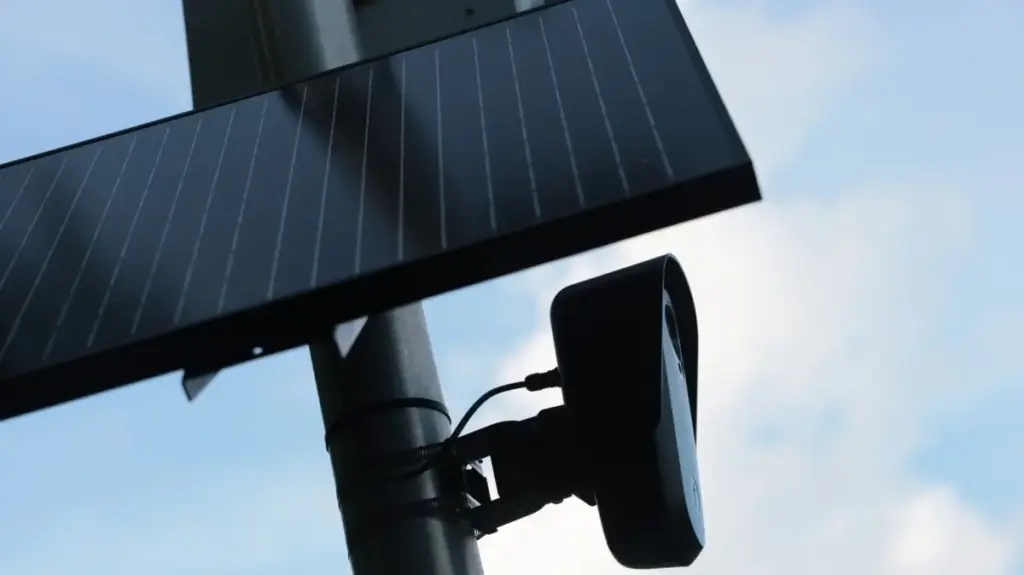
When local government officials in Florida’s St. Lucie County decided to pull the plug on their automated surveillance infrastructure and begin removing Flock license plate-reading cameras from public rights-of-way, they expected a straightforward administrative wrap-up. Instead, the decommissioning process uncovered a startling security and regulatory blind spot: a collection of mysterious surveillance devices completely unaccounted for in municipal ledgers and operating without any official permits.
According to a detailed report by The Washington Post, county leadership initially believed their local surveillance network consisted of 52 authorized cameras. However, as teams fanned out across the jurisdiction to inventory and dismantle the hardware, they discovered 14 additional cameras that had never been documented, authorized, or permitted by the county.
The revelation has ignited fresh anxieties regarding local privacy, municipal oversight, and the sprawling proliferation of automated surveillance technology across American neighborhoods. Out of the 14 unaccounted-for devices, the St. Lucie County Sheriff’s Office eventually stepped forward to claim ownership of three. Yet, local law enforcement officials did not explain to reporters why that specific hardware had been installed without securing the proper administrative paperwork or notifying municipal planners.
That left 11 Flock cameras physically mounted within the county with entirely unknown owners. Local officials confirmed that none of the county or municipal departments operating within the region had any knowledge of who installed the devices, who is currently operating them, or where the data captured by the lenses is being transmitted. Understandably, the discovery has sent a wave of unease through the community. Multiple St. Lucie County residents voiced frustration and genuine fear to reporters, expressing deep concern over the presence of anonymous surveillance apparatuses recording the daily movements of motorists and pedestrians without public accountability or legal transparency.
In response to the unsettling discovery, county officials took immediate interim measures to halt data collection. Authorities placed official notices directly on the unclaimed cameras, ordering whoever owns the equipment to remove it promptly. In the meantime, county workers wrapped the lenses of the unauthorized devices in plastic bags to physically obstruct their view and prevent any further recording of public traffic.
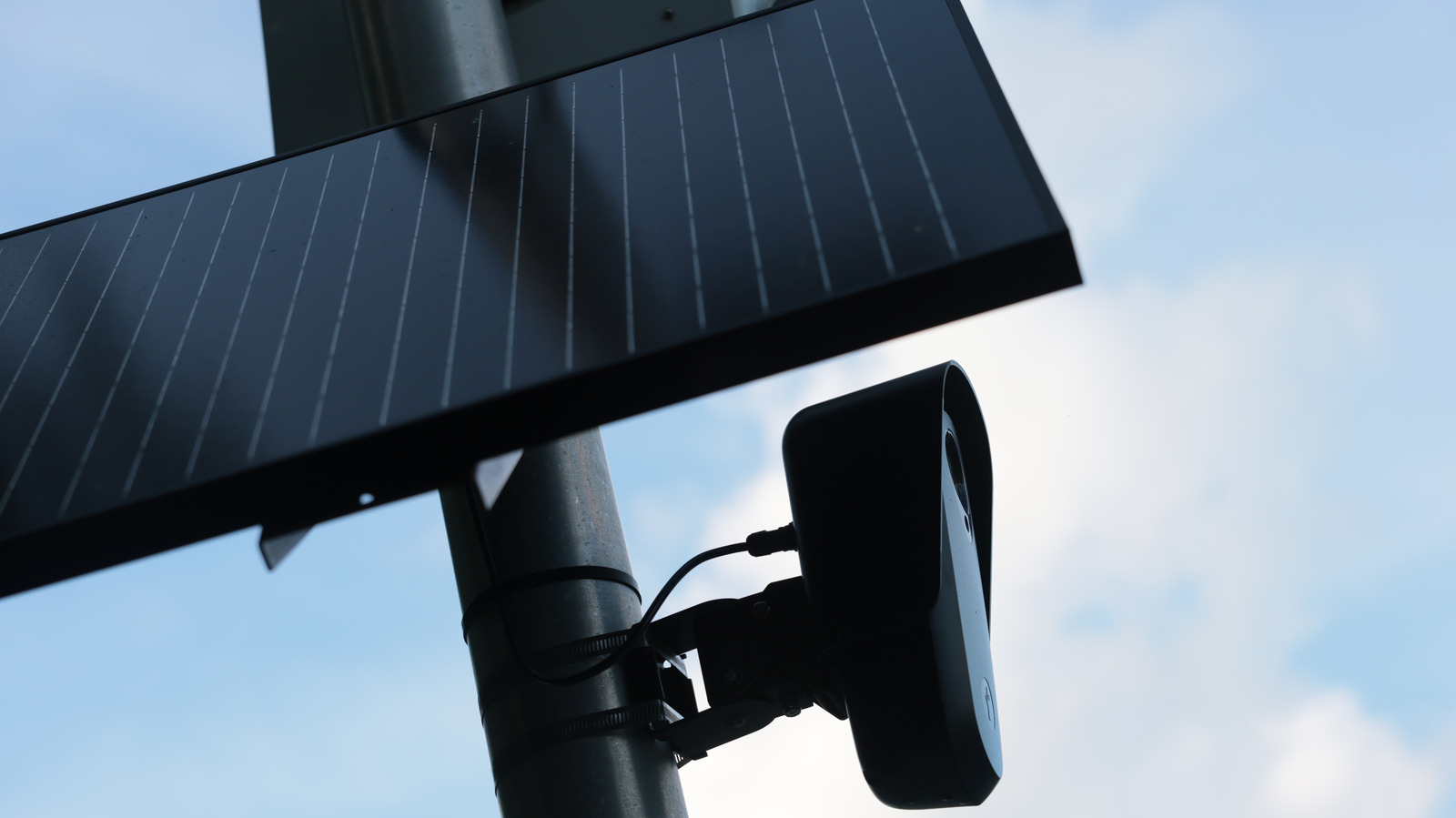
The mystery deepened further when a representative from The Washington Post revisited the location of one of the unpermitted cameras following the issuance of the warning notices. The reporter discovered that the camera had been swiftly removed from its mounting pole, but there was no indication or record of who had taken it down, leaving authorities none the wiser as to the identity of the mysterious operators.
The incident in St. Lucie County throws a harsh spotlight on the broader, highly contentious debate surrounding automated license plate readers and the company that manufactures them. Flock Safety’s camera systems have increasingly faced intense scrutiny from privacy advocates, civil liberties organizations, and local policymakers over potential security vulnerabilities, data sharing practices, and the profound potential for privacy abuses.
The technology has become a lightning rod for legislative pushback across various states. Last month, the Florida Department of Transportation enacted a strict statewide ban prohibiting law enforcement agencies from placing Flock license plate readers on state-managed roads. This regulatory crackdown mirrors similar policy reversals happening nationwide. A growing number of city councils and state governments have begun rethinking or actively ending their reliance on the company’s hardware, citing mounting civil rights concerns and transparency issues.
Despite these high-profile pushbacks and local bans, Flock cameras remain ubiquitous fixtures across the American landscape. Industry estimates suggest that more than 100,000 such devices are currently active and operational in neighborhoods, commercial corridors, and municipal zones across the United States.
As the investigation into the phantom cameras in St. Lucie County continues, local officials remain determined to track down the origins of the unauthorized hardware. The county’s unexpected brush with unaccounted-for corporate surveillance underscores the widening gap between the rapid deployment of automated monitoring technology and the regulatory frameworks struggling to keep pace with who is watching American streets.