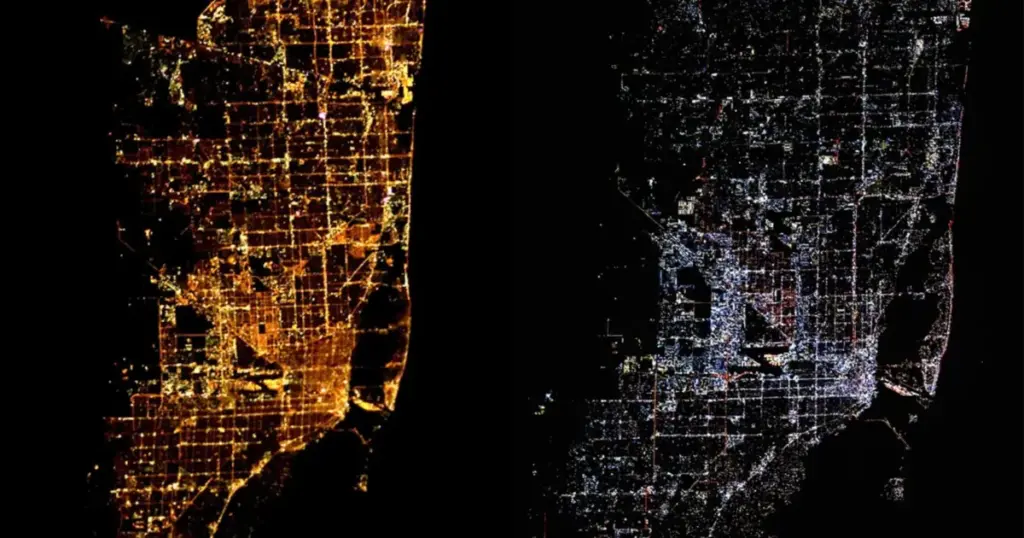
Over the past decade and a half, the nocturnal landscape of our planet has undergone a silent, glowing revolution. For generations, major metropolitan areas viewed from high above the atmosphere were bathed in a distinct, warm, and comforting orange-yellow hue, courtesy of traditional sodium vapor streetlamps. Today, however, those familiar amber tones have largely vanished, replaced by the crisp, brighter, and multi-colored luminescence of modern Light Emitting Diodes (LEDs).
This profound transformation of Earth’s nightscape has now been meticulously captured over a span of decades by NASA astronaut and veteran photographer Don Pettit. Having lived and worked on and off at the International Space Station (ISS) since 2002, Pettit has occupied a unique vantage point to document the shift. Recently, he shared a striking series of photographic comparisons that vividly illustrate how the nighttime aesthetic of our global cities has changed when viewed from low Earth orbit.
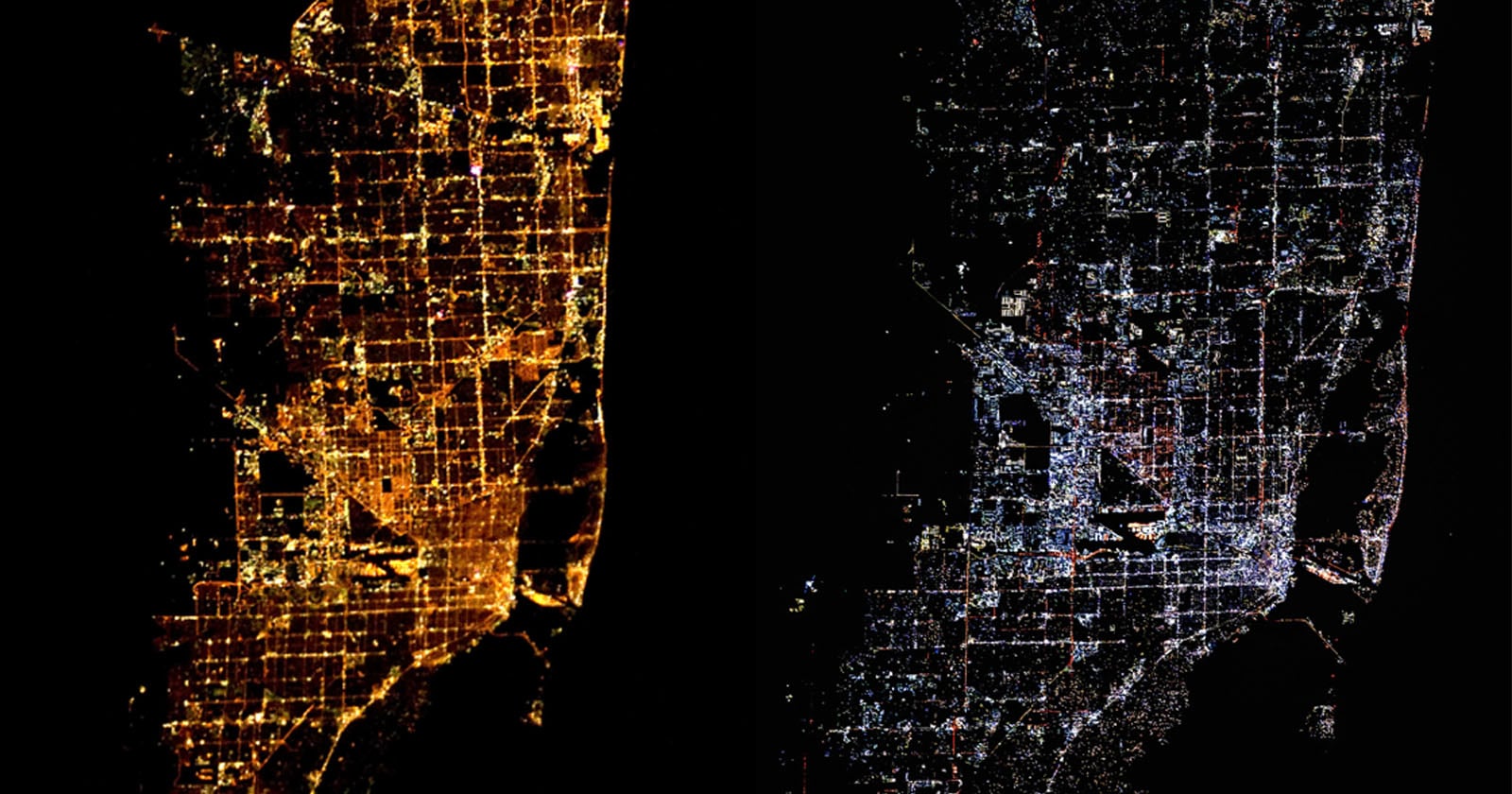
"I have spent 23 years documenting the global LED transition of city lighting from space," Pettit wrote in a post on X. Operating across four distinct long-duration missions to the ISS, the astronaut has photographed virtually every major urban center across the globe, gradually assembling an invaluable visual dataset that chronicles the phasing out of gas-discharge lamps in favor of semiconductor-based solid-state lighting.
According to Pettit, the widespread conversion from traditional streetlamps to advanced LEDs was primarily driven by compelling municipal and environmental factors, chief among them being significant energy savings and superior technological control. Yet, this global infrastructure upgrade has done much more than lower municipal utility bills. As Pettit notes, the widespread adoption has markedly transformed not only the way our cities look from the cold vacuum of orbit, but also how they feel to the residents living and walking beneath them on the ground.
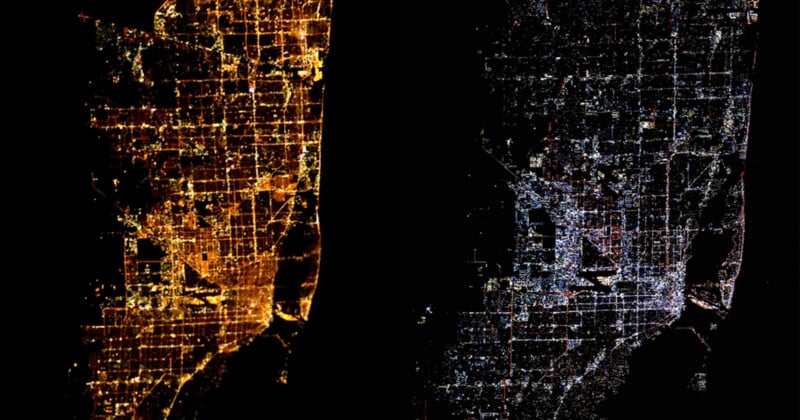
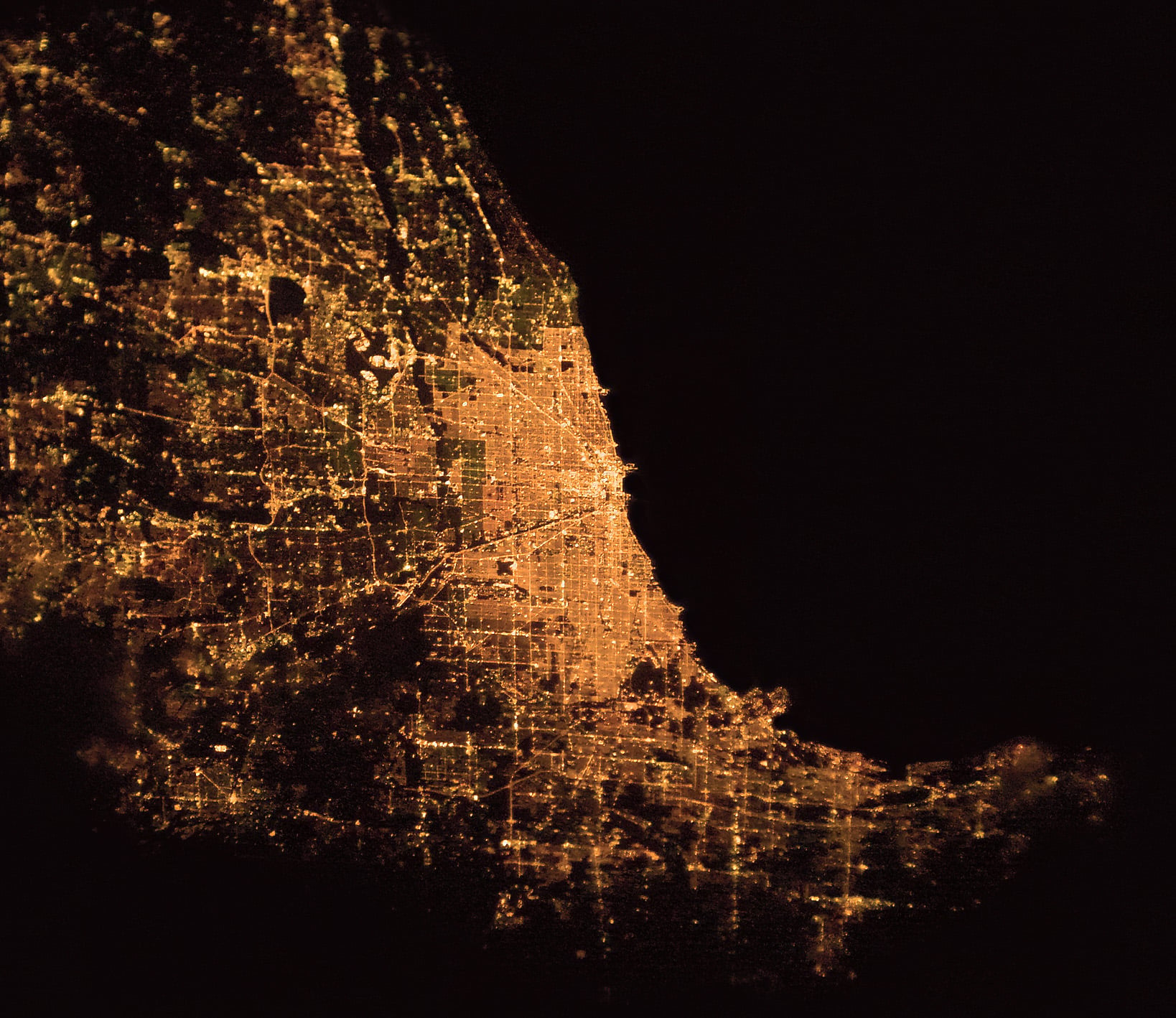
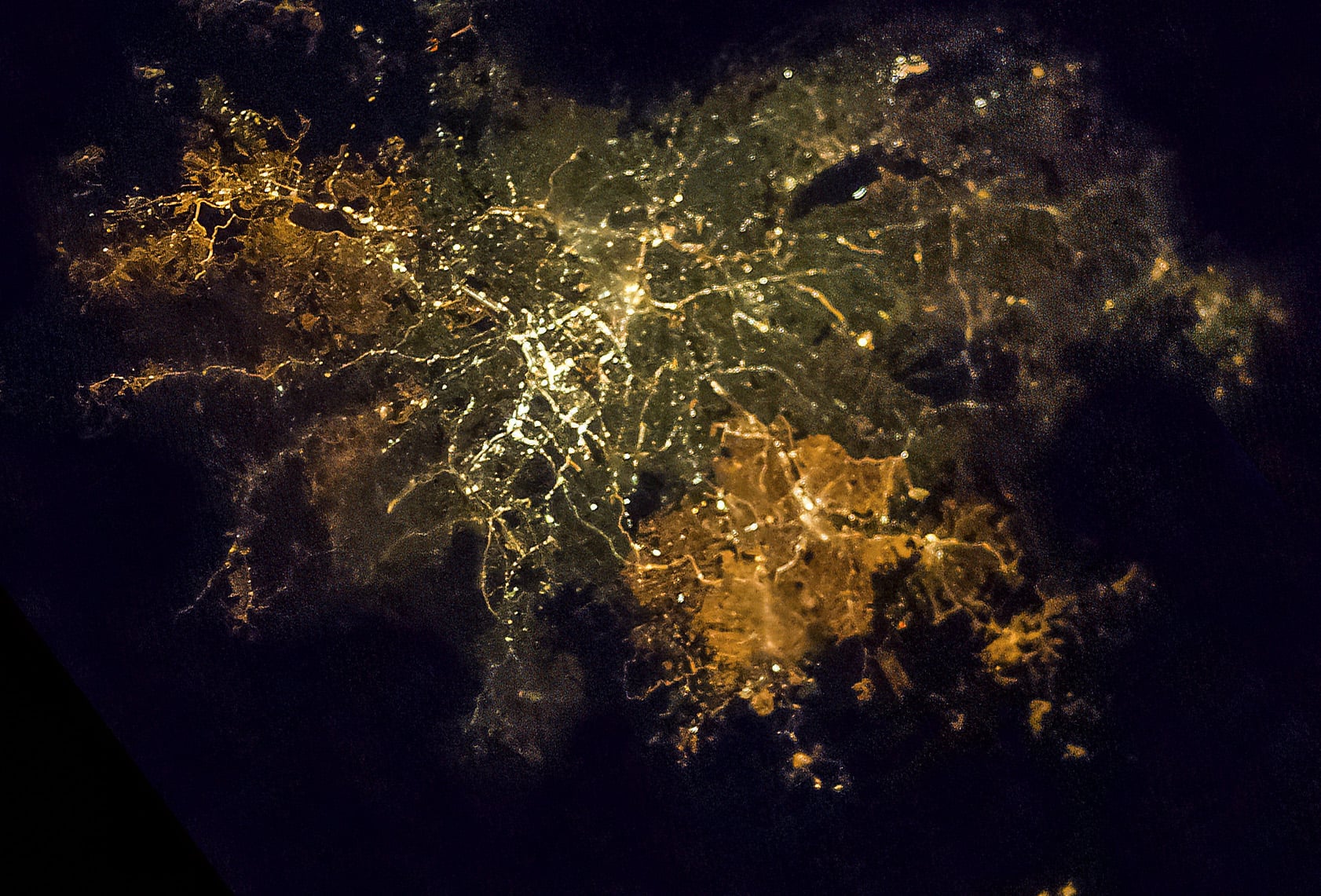
The photographic evidence shared by the NASA astronaut highlights this dramatic shift across numerous densely populated regions. Metropolitan areas like Chicago, Mexico City, São Paulo, Seoul, Las Vegas, and Monterrey now display a starkly different nighttime signature in the 2020s compared to archival images from earlier decades. The soft, monochromatic golden glow that once defined urban expansion has been superseded by a complex mosaic of bright white and cooler multi-colored wavelengths.
Interestingly, this global trend has notable exceptions that underscore the localized nature of municipal infrastructure decisions. In his visual archive, Pettit highlights the stark contrast between Hong Kong and its neighboring mainland Chinese city, Shenzhen. While Shenzhen has aggressively embraced the technological leap and burst into a brilliant array of modern LED illumination, Hong Kong has notably maintained its legacy sodium-vapor lighting profile, creating a striking geographic boundary visible from space.
The rapid and widespread adoption of LEDs across the globe was fundamentally fueled by economics. Sodium-vapor lamps, while reliable fixtures of urban planning for decades, are notoriously energy-intensive and offer limited control over light distribution. LEDs, by contrast, are vastly cheaper to operate over their lifespan, consume a fraction of the electricity, and can be precisely directed to reduce light pollution in specific directions. Furthermore, traditional sodium lamps require a distinct warm-up period to reach their full operational brightness, whereas LED systems snap on and off instantaneously at the flick of a switch.
Despite the clear financial and energy advantages, the transition has not been without its critics, particularly within the artistic and photographic communities. Many filmmakers, cinematographers, and street photographers have openly lamented the loss of sodium-vapor lighting, arguing that the warm, organic amber hue possessed an unmatched cinematic quality that simply looked superior on camera.

As a prime example of this aesthetic loss, film historians and critics often point to the acclaimed 2011 neo-noir thriller Drive, which was shot almost entirely at night on the sprawling asphalt arteries and backstreets of Los Angeles. The movie is widely recognized as one of the very last major feature films to capture the iconic orange-yellow ambiance of pre-LED Los Angeles. Industry observers note that had the production taken place even a few years later, the visual character, mood, and atmosphere of the film would have been fundamentally altered by the clinical wash of modern streetlamps.
The rollout of early-generation LED street lighting was also met with considerable friction from urban residents on the ground. When cities like Los Angeles first began retrofitting their lighting grids, the initial wave of LEDs deployed often featured a high color temperature of around 4,000 Kelvin. This emitted a stark, harsh, blue-shifted white light that drew immediate public complaints. Many local citizens voiced deep dissatisfaction, comparing the cold, sterile illumination to the interior atmosphere of a hospital or a prison rather than a welcoming neighborhood street.
In response to the public backlash and mounting aesthetic concerns, municipal officials in Los Angeles and numerous other major cities around the world were forced to adapt. City planners began specifying and retrofitting warmer LED fixtures, dialing back the color temperature to approximately 3,000 Kelvin or lower. This adjustment successfully bridged the gap between the necessary energy efficiency of modern technology and the human desire for a more comfortable, less aggressive nighttime environment, even if the golden era of sodium vapor captured in Pettit’s earliest space photographs has now passed into history.