By a Financial News Correspondent
In the world of personal finance, few figures command as much loyalty or spark as much ongoing debate as the blogger behind the moniker Mr. Money Mustache. For over a decade, his platform has championed radical self-reliance, environmental efficiency, and a lifestyle designed to break free from the traditional 40-hour workweek. However, as his net worth has grown alongside his platform’s immense popularity, a familiar chorus of criticism has emerged from corners of the internet.
Critics frequently claim that the author, whose real name is Pete Adeney, has simply grown too rich and fancy to understand the modern economic struggles of the common person. Skeptics often argue that the man known as "Stash" has long since abandoned the aggressive money-saving tenets that launched his digital footprint, suggesting his advice no longer holds weight in today’s inflated economic landscape.
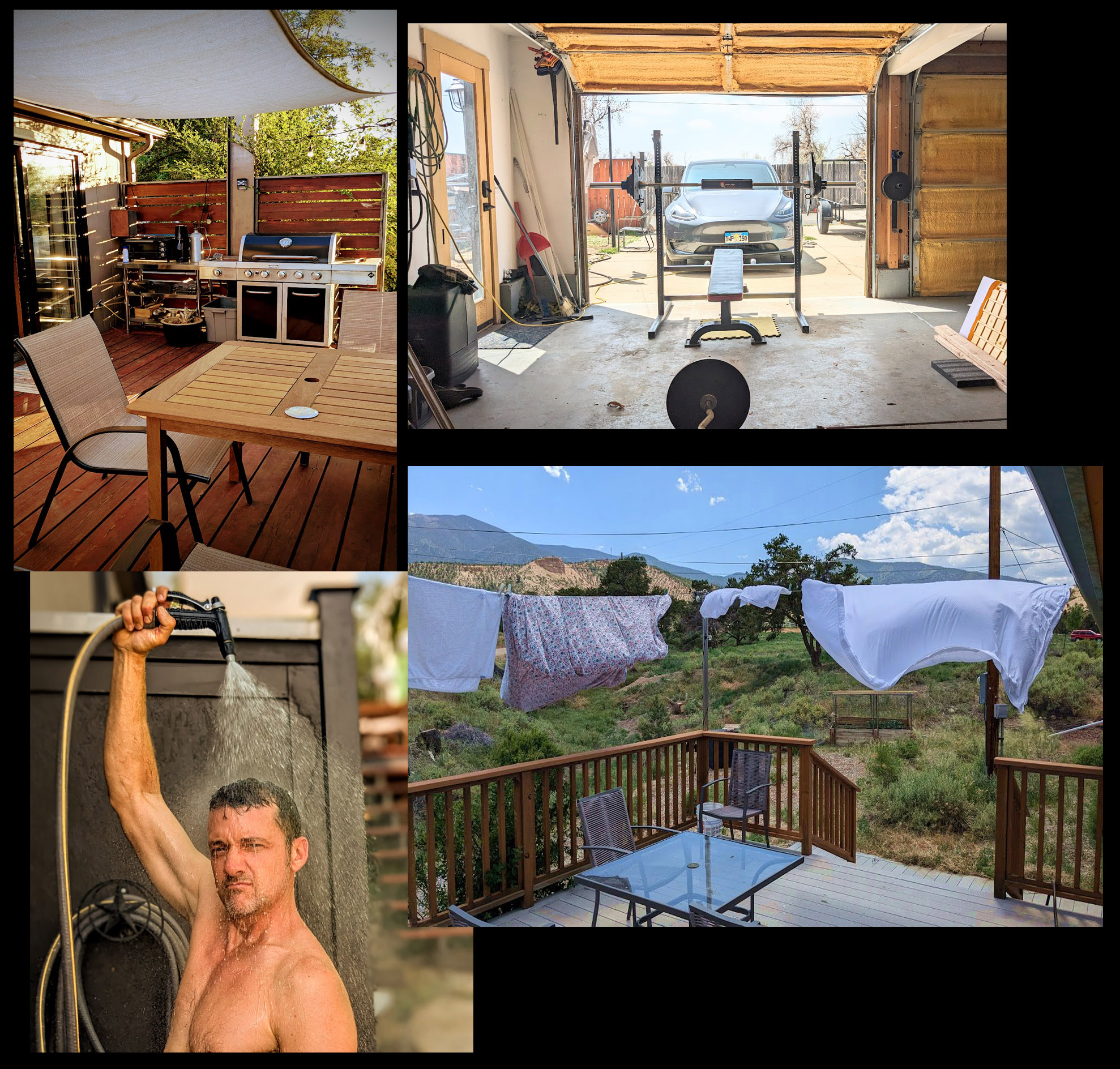
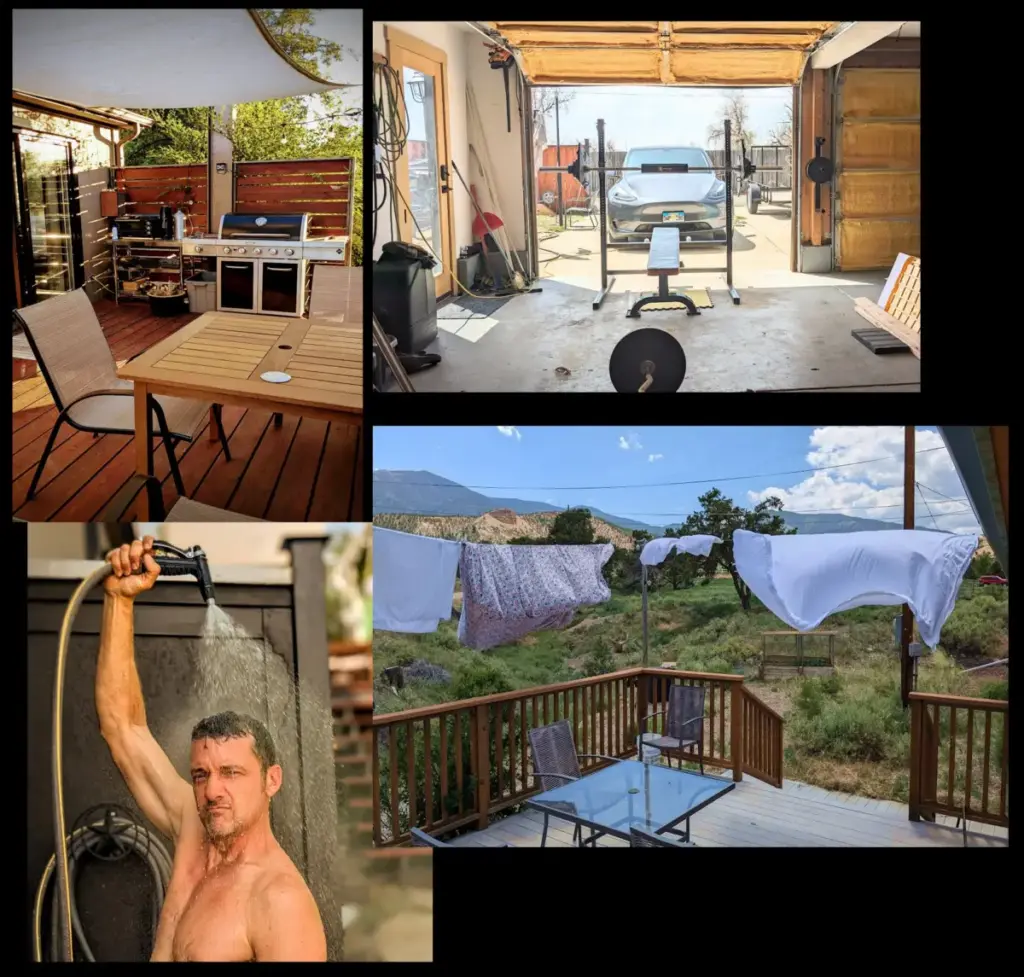
When confronted with these critiques, the prominent financial independence advocate tends to laugh them off. He acknowledges that putting extensive personal details online naturally invites misunderstanding. Yet, he maintains that if skeptics were able to peer into the genuine daily lives of dedicated followers of the movement—known informally as Mustachians—they would quickly realize that the core principles are not conspiracy theories; they are practical strategies that consistently work.
According to the author, very little has fundamentally changed regarding the baseline of his personal economy. Much like numerous long-term readers of his platform over the past twelve years, his overall net worth has steadily increased. Yet, mirroring the experience of many within the community, he has felt little need to drastically alter his spending habits simply because his initial goal was centered on crafting an inherently enjoyable life from the outset.
The core philosophy, he argues, sets itself apart from standard financial advice, which often relies on temporary deprivation rather than a permanent lifestyle redesign. Standard financial guidance typically advises individuals to slash their spending and make sacrifices strictly until they hit a specific savings percentage, after which personal choices take over, assuming that higher income simply means lighter sacrifices and a path toward affluent retirement for everyone.

In contrast, the movement he helped popularize urges practitioners to cultivate a deep-seated love for efficiency, creativity, self-awareness, and continuous self-improvement. Followers use this knowledge to enhance their daily existence in ways that naturally reduce monthly expenses over time while simultaneously elevating their quality of life.
To demonstrate how these concepts manifest in practice today, the financial blogger points to several active habits from his current routine. These are practices he undertakes purely because he enjoys them, which coincidentally yield substantial financial savings. Evaluated through the lens of a decade-long financial horizon—calculated using a multiplier of 172 to project how monthly savings compound when invested over ten years—these choices accumulate into staggering sums.
Embracing Hands-On Home Renovation and Self-Sufficiency
A cornerstone of this lifestyle philosophy is the pursuit of absolute self-sufficiency and the development of practical skills to manage the critical components of daily life without relying heavily on outside contractors or volatile market services. The underlying theory posits that a primary recipe for a happy life involves becoming a producer of the things one most enjoys consuming.
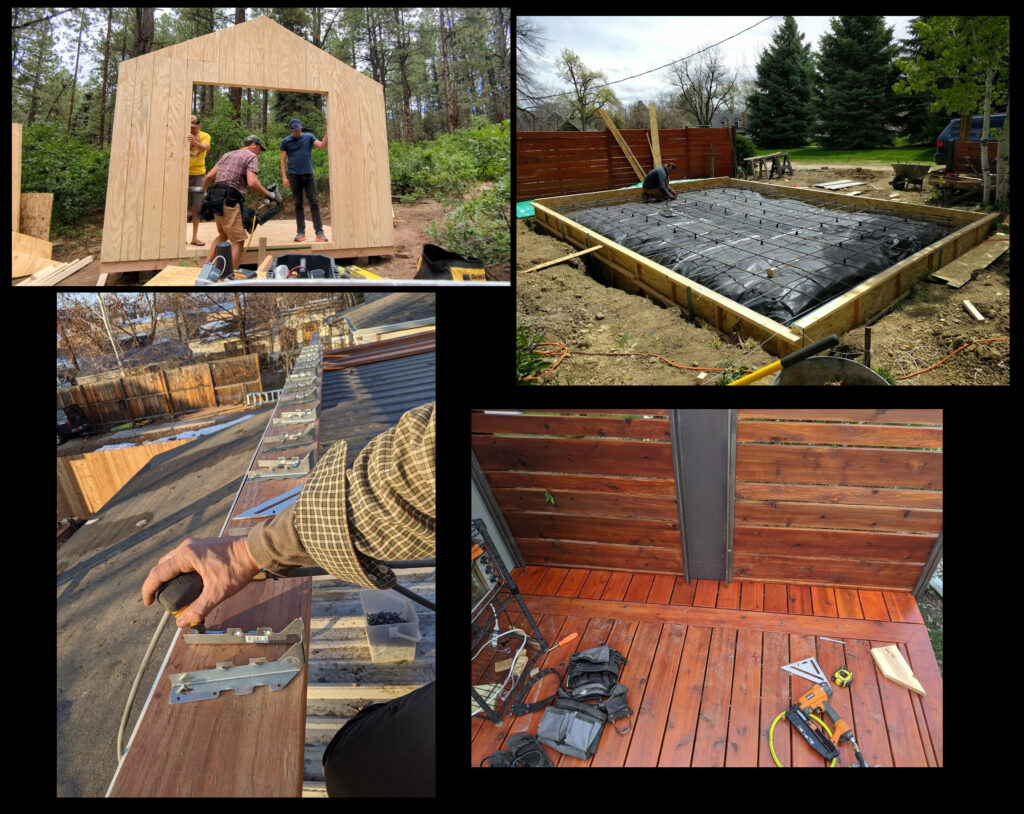
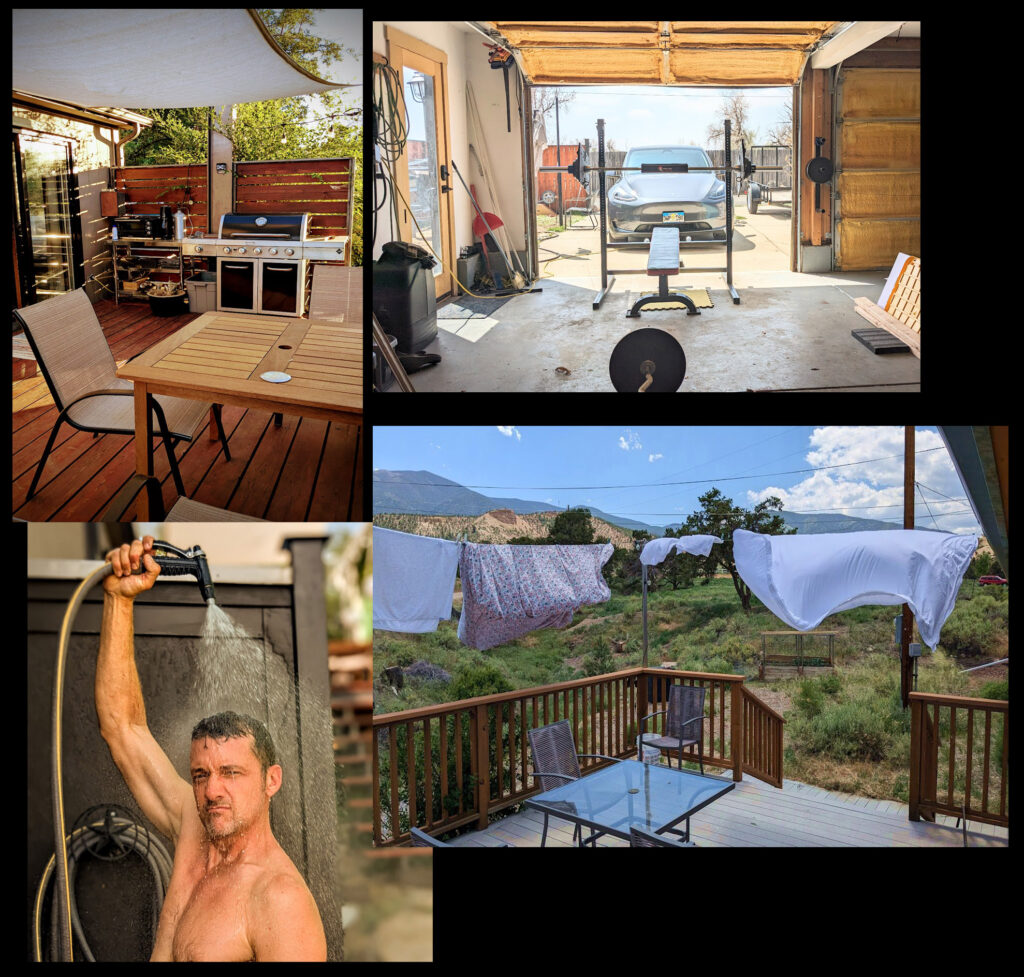
In his personal life, this translates to a passion for architecture and residential spaces. Preferring to live in functional, aesthetically pleasing environments and sharing them with friends, he frequently encounters homes that lack thoughtful design upon purchase. Rather than hiring expensive professionals, he channels his enthusiasm into redesigning and repairing old buildings. This hands-on construction work spans both his own properties and the homes of friends, serving as a primary creative outlet that consumes much of his free time. Furthermore, he actively encourages friends and neighbors to adopt similar mindsets, helping them shed their dependence on outside service providers and master the maintenance of their own living spaces.
When quantified over a ten-year period, this hands-on approach to home maintenance and construction translates into an average annual savings of roughly $20,000, compounding to an estimated $287,000 per decade.
Leveraging Community Networks and Collaborative Sharing
While financial success often brings the convenience of purchasing brand-new goods delivered directly to a doorstep, the community surrounding the financial independence movement places a high value on collaborative sharing and repurposing. Rather than acquiring new items automatically, adherents frequently turn to local exchange platforms, community networks, and specialized peer groups to source high-quality items from individuals who no longer need them.
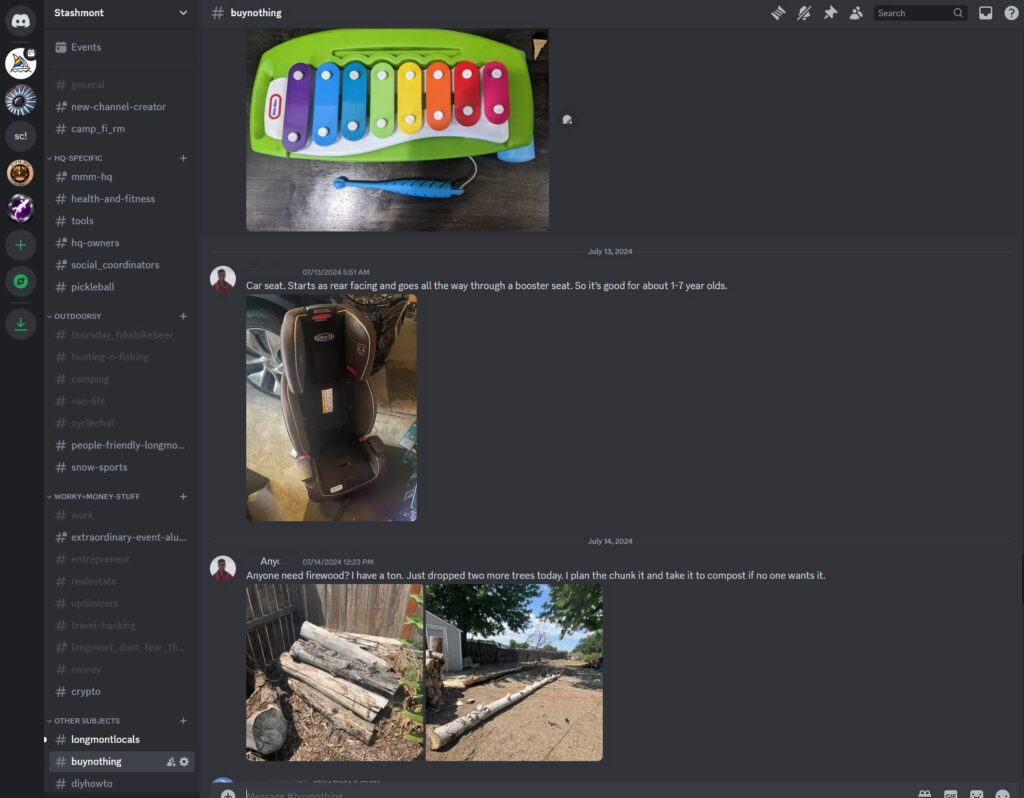
In his local community, this behavior is institutionalized through local digital groups and dedicated communication channels where hundreds of area residents coordinate around the clock. Participants use these networks to exchange resources, assist one another with complex do-it-yourself projects, and distribute unneeded goods without monetary exchange. By regularly utilizing platforms like Craigslist and community groups alongside local sharing networks, the blogger estimates he routinely saves and earns thousands of dollars annually, contributing to a projected decade-long savings of approximately $42,000.
Prioritizing Active Transportation over Automobile Dependence
Vehicle ownership remains one of the largest budget items for most households. Long-standing principles from the blog emphasize that bicycle transportation and walking represent vastly superior alternatives for local mobility, primarily due to the staggering reduction in depreciation, maintenance, and fuel costs associated with modern automobiles.
While he still utilizes bicycles or walking for the vast majority of his local trips, living near the center of a small city naturally limits his total annual driving mileage to roughly 2,000 miles. Even with this modest baseline, the reduction in vehicular wear and tear yields direct savings of around $14,000 per decade. Beyond the financial impact, active transportation fundamentally alters physical and mental health outcomes, reinforcing a broader commitment to bodily vitality.

Choosing Muscle over Motor for Daily Tasks
Whenever faced with a choice between mechanical convenience and physical exertion, the author consistently opts for physical effort. Whether choosing stairs over elevators, walking golf courses instead of riding in carts, moving heavy furniture independently, or shoveling snow and raking leaves by hand rather than deploying motorized equipment, the guiding question remains simple: does this choice foster greater health and fitness or less?
Operating under the philosophy of physical preservation, this active lifestyle yields substantial secondary financial benefits, primarily through the avoidance of medical expenditures. Given that national healthcare spending per capita remains exceptionally high, maintaining robust physical health through daily exertion drastically reduces personal medical costs while simultaneously boosting energy levels and daily productivity. Conservatively estimating the combined savings and health benefits at $10,000 per year, this habit contributes an estimated $140,000 per decade to overall well-being and financial retention.
Maximizing Energy Efficiency through Intentional Living
Combining the mindset of an engineer, a carpenter, and a homebody, daily routines often involve continuous experimentation with domestic energy efficiency. Projects frequently include architectural modifications, such as strategically placing glass doors and windows along the southern exposure of a home to capture passive solar heat during winter months, drastically reducing heating requirements.

Additional adjustments focus on aligning domestic routines with seasonal shifts rather than relying entirely on heavy climate control systems. While combined monthly utility bills for gas and electricity in his region typically hover around $250 for an average household, his intentional usage remains significantly lower, resulting in a modest yet satisfying savings of roughly $30,000 per decade. For the author, the true value lies not merely in the financial retention, but in the intellectual and creative fulfillment derived from managing an optimized living space.
Savoring Local Living over Frequent Travel
While travel is widely recognized as a valuable tool for broadening life experiences, the constant pressure to maintain an active vacation schedule can lead to financial strain and missed opportunities for community connection. By consciously choosing to decline travel plans that require extended absences and instead embracing local activities, home life, and regional recreation, families can reclaim significant portions of their calendar and financial resources.
Pruning discretionary travel and reallocating that time toward local friendships, rest, and home-based projects yields profound dividends. Even a moderate reduction—such as replacing two weeks of vacation travel for a family of four with equivalent time spent locally—can save roughly $5,000 annually in direct costs, alongside an additional $5,000 per year in incidental benefits related to health and local community engagement. Over a ten-year span, this balanced approach to leisure preserves approximately $143,000.
Cumulative Impact and Broader Implications
When tallied together, these daily habits and lifestyle choices compound to an estimated total of $656,000 every decade. This figure significantly exceeds the median wealth accumulated by the average senior citizen approaching retirement age in the United States after a lifetime of traditional career labor.
Reflecting on more than a decade of writing and public engagement, the author asserts that a substantial portion of his ongoing wealth accumulation directly stems from these exact, repeatable habits. These are the very practices preached before and after his official retirement date, demonstrating that financial independence is not an endpoint achieved and then abandoned, but a continuous framework for living.
While individuals facing severe financial hardship may need to adopt even more rigorous measures—resources for which remain widely available through specialized boot camps and archival guides—the core thesis of the movement remains accessible. Achieving financial resilience does not require impossible sacrifice; rather, it requires a willingness to tweak one’s lifestyle to be slightly more intentional, efficient, and thoughtful than the societal norm.