The Democratic Republic of the Congo, renowned globally for its staggering biodiversity and vast expanses of tropical wilderness, has advanced plans to open more than half of its national territory to oil and gas exploration. This massive policy push places millions of acres of pristine forests, vital wildlife corridors, and internationally significant carbon sinks directly in the path of heavy fossil fuel development.
According to a comprehensive new report released by Earth Insight titled Forests to Frontlines: Oil Expansion Threats in the DRC, the government has initiated a sweeping auctioning round encompassing 52 new oil blocks. This follows three blocks that had been previously awarded, bringing the total footprint under threat to approximately 64 percent of the country’s pristine forest cover. The move dramatically escalates concerns among environmental scientists, Indigenous leaders, and international conservation organizations who warn that the development will jeopardize rare and endangered wildlife species, disrupt local livelihoods, and undermine global efforts to mitigate climate change.
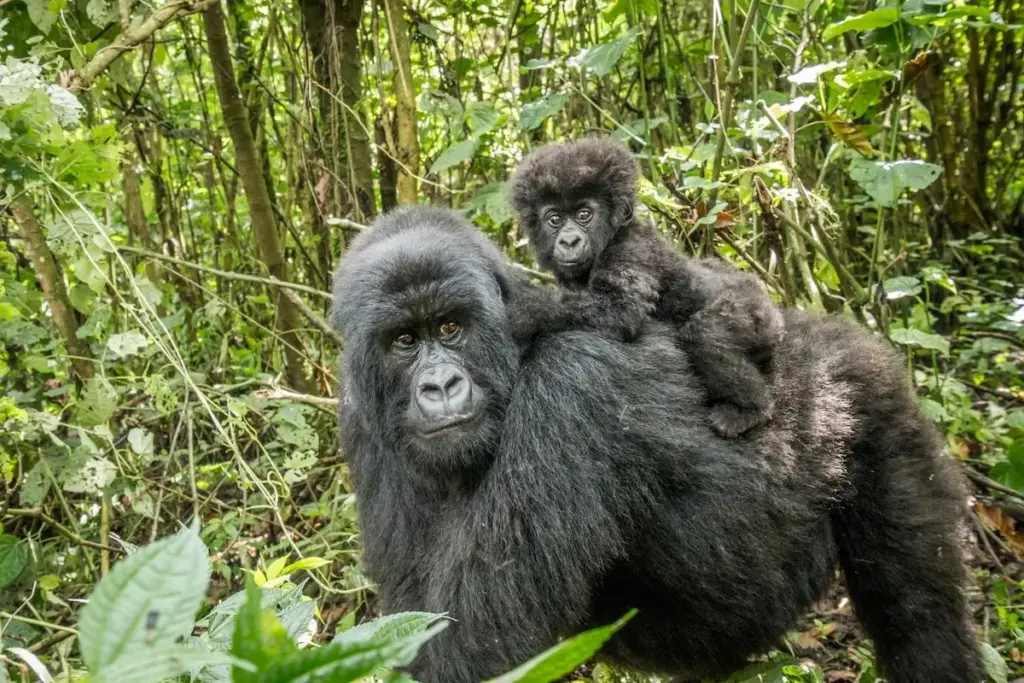
The Democratic Republic of the Congo occupies a uniquely critical position in the global ecological landscape. Home to the second-largest tropical rainforest on the planet, the Central African nation harbors an astonishing array of flora and fauna. Towering rainforest canopies, intricate river systems, and vast, carbon-rich peatlands support populations of elephants, great apes—including mountain gorillas, eastern lowland gorillas, and bonobos—endemic bird species, and thousands of unique plant varieties that thrive within these undisturbed ecosystems.
Central to this ecological wealth is the Cuvette Centrale, the largest tropical peatland complex in the world. Storing an estimated 30 gigatons of carbon, these sprawling peatlands function as an indispensable carbon sink, playing an outsized role in regulating the global climate. The landscapes forming this rich mosaic of life also serve as a foundational lifeline for millions of people, supporting local livelihoods, sustaining cultural identities, and bolstering regional climate resilience.
However, the latest wave of oil licensing threatens to fracture these interconnected ecosystems. Earth Insight’s findings reveal that the newly designated oil blocks overlap with 20.5 million acres of officially protected areas, 21.3 million acres of designated Key Biodiversity Areas, and 165.1 million acres of intact tropical forests. Furthermore, roughly 72 percent of the recently established Kivu-Kinshasa Green Corridor intersects directly with these oil blocks, calling into question the ecological integrity of an initiative heavily promoted by the government as a progressive conservation and sustainable development solution.
The expansion also places immense pressure on the human populations inhabiting these regions. It is estimated that approximately 39 million Congolese people reside within or adjacent to the areas currently slated for auction. This population includes numerous forest-based and Indigenous communities who rely intrinsically on the tropical forests and rivers for their daily survival, traditional practices, and cultural continuity.

Pascal Mirindi, campaign coordinator for Notre Terre Sans Pétrole, voiced profound bewilderment at the government’s contradictory trajectory in remarks covered by The Guardian. Highlighting the severe disconnect between official conservation rhetoric and actual resource policy, Mirindi questioned the underlying logic of promoting ecological initiatives like the Kivu-Kinshasa corridor while simultaneously auctioning off the very lands that sustain them. He emphasized that the Congolese people, as the primary sovereign stakeholders of the land, refuse to remain silent while leaders facilitate the commercialization of their collective future.
The current licensing round represents a dramatic acceleration of fossil fuel exploration policies initiated in 2022, when the administration launched a similarly controversial auction covering 30 oil and gas blocks. Many of those initial blocks overlapped with sensitive protected areas, peatlands, and the ancestral lands of Indigenous and local communities. By widening the scope of oil concessions to cover more than 53 percent of the entire country, the government has intensified environmental risks on an unprecedented scale.
Environmental advocates point out that exploring and drilling for hydrocarbons in these fragile environments will inflict irreversible damage. Anna Bebbington, an Earth Insight research manager, underscored the gravity of the situation, noting that industrial development in these sensitive zones carries devastating consequences for regional biodiversity, foundational land rights, and the international coalition working to stabilize the global climate system.
The report, developed in partnership with DRC-based organizations including the Coalition des Organisations de la Société Civile pour le Suivi des Reformes et de Action Publique (CORAP) and Our Land Without Oil, alongside the Rainforest Foundation UK, outlines clear recommendations for reversing course. In alignment with the persistent demands of Congolese civil society, the report calls upon the DRC government and its international partners to immediately cancel the 2025 licensing round and halt all future hydrocarbon expansion projects across the country.
Additionally, the analysis urges authorities to respect and strictly uphold the fundamental rights of local communities and Indigenous Peoples. It emphasizes the necessity of aligning donor support and international financing mechanisms with the nation’s pre-existing commitments to biodiversity preservation, human rights, and climate action. To ensure accountability, the report advocates for the meaningful participation and transparency of local communities and civil society organizations in environmental governance, decision-making processes, and long-term ecological monitoring.