

Although Leica Camera Group did not manage to secure an unprecedented fifth consecutive year of record revenue, the legendary German camera manufacturer has still posted a remarkably robust financial performance for the 2025/26 financial year. Operating within an increasingly complicated global market environment marked by persistent geopolitical uncertainties, fluctuating currency exchange rates, and stricter international customs regulations, the iconic brand continued to move a massive volume of high-end products and generate substantial revenue.
For the fiscal year spanning from April 2025 through the end of March 2026, the Leica Camera Group reported a total revenue of €573 million, translating to approximately $665.8 million based on current exchange rates. While this figure represents a modest year-over-year decline of 3.8% compared to the previous financial year—during which the company achieved an all-time corporate revenue record of €596 million—it underscores the enduring resilience and commercial appeal of the luxury brand.

"However, the Leica Camera Group still achieved a robust result in a challenging market environment characterized by geopolitical uncertainty, unfavorable exchange rates, and stricter customs regulations," the company explained in its official financial statement.
Rather than signaling a downturn in consumer interest, the marginal adjustment in revenue follows a historic high-water mark for the company, coming off a sustained multi-year period of explosive growth that cemented Leica’s status as a dominant force in the high-end photography market. The company noted that its core Photo division remained the primary revenue generator for the group, continuing to attract discerning photographers, professionals, and collectors worldwide. Meanwhile, its Mobile division exhibited strong, continuous growth, capitalizing on the brand’s successful technological partnerships and expanding footprint in the mobile photography sector.

At the same time, Leica’s diverse portfolio outside of traditional standalone cameras performed admirably. The company’s Sports Optics division, which includes high-performance binoculars and spotting scopes, "remained stable" throughout the fiscal year. Furthermore, auxiliary luxury and consumer segments—including watches, optical accessories, home theater projection systems, and designer eyewear—all demonstrated positive developments. Broadly speaking, Leica’s multi-pronged business strategy appears to be paying off, with growth and stability observed across nearly all product categories.
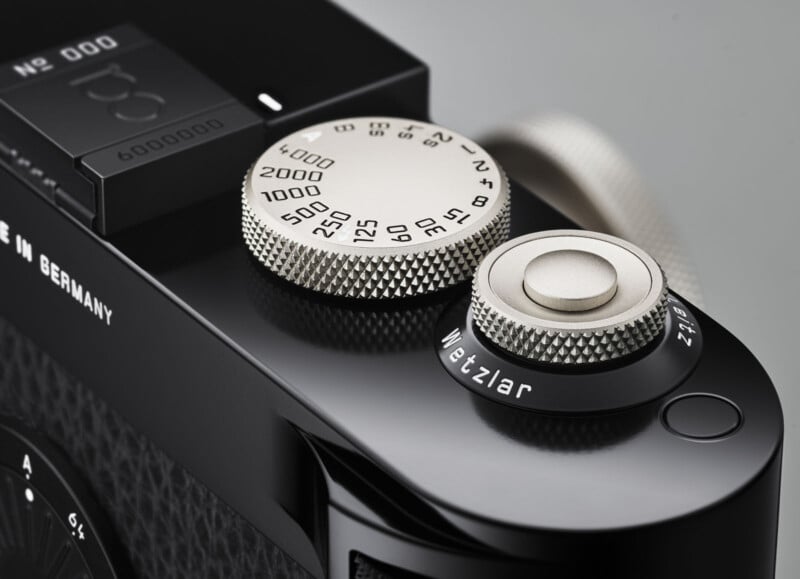
The resilient financial performance arrives during a milestone period for the company, which recently spent the past financial year commemorating the 100th anniversary of the Leica I, the revolutionary tiny German camera that fundamentally changed photography forever by introducing the 35mm format to the masses. Leica celebrated this monumental centenary throughout the year by releasing an array of limited-edition photographic products, specialized camera kits, and luxury lifestyle collectibles, including commemorative editions, artisanal books, and even branded merchandise designed to captivate dedicated enthusiasts and heritage collectors alike.
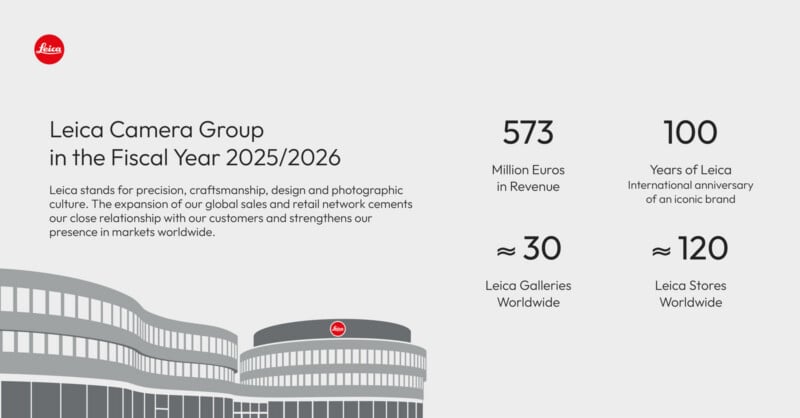
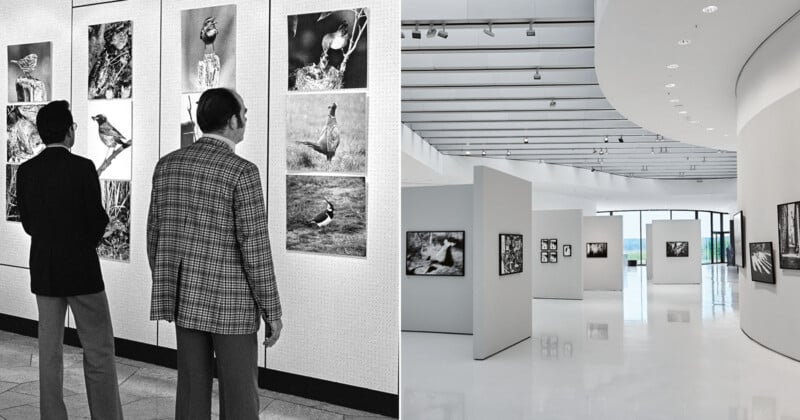
Adding to the celebratory atmosphere, Leica also marked the 50th anniversary of the founding of Leica Galleries, representing another major cultural and corporate milestone for the brand. Over the past five decades, Leica Galleries have grown into an internationally recognized network dedicated to promoting photographic art, providing physical exhibition spaces for both legendary masters and contemporary emerging talents across dozens of cultural hubs worldwide.
Andreas Voll, CEO of Leica Camera Group, emphasized that the company’s sustained financial health is a direct result of strategic foresight, unwavering dedication to quality, and a commitment to expanding its reach without compromising its foundational identity.
"Leica is a company that stands for precision, craftsmanship, design, and photographic culture like almost no other," Voll stated. "The company’s business performance demonstrates the Leica Camera Group’s successful strategic direction with innovative premium-segment cameras and efforts around appealing to new target groups."
Voll highlighted several key product introductions and market expansions that helped sustain the company’s momentum during the challenging fiscal year. Among these was the rollout of the Leica M EV1, marking a historical first for the iconic M series by integrating an electronic viewfinder into the rangefinder lineage. Additionally, the wider global availability of the "Leica Leitzphone" smartphone and the introduction of the Leica Cine Compact 1 smart mini-projector have allowed the company to inject key innovations into its premium product portfolio while capturing new segments of consumers.
The expansion of Leica’s global sales and retail network has similarly played a vital role in reinforcing the brand’s market position. By strengthening its direct ties with customers through dedicated retail environments, flagship stores, and cultural spaces around the globe, Leica has managed to insulate itself against broader retail fluctuations. Regionally, the company noted that its domestic market of Germany experienced a particularly strong year, exhibiting the most significant growth of all international territories and serving as a reliable anchor for the brand’s European operations.
Looking ahead, Leica finds itself at a fascinating and potentially transformative juncture in its storied corporate history. Beyond its financial reporting and anniversary celebrations, the company has recently been the subject of major industry reports indicating that its current owners are considering selling a majority stake in the company for an estimated $1.2 billion. Should this prospective transaction materialize, it would represent a monumental corporate shakeup for the German manufacturer, introducing new ownership structures while the brand navigates its second century of operation.

Simultaneously, Leica is investing heavily in the future of optical technology. The company has been actively engaged in high-profile research and development efforts, most notably partnering with sensor manufacturer Gpixel to design and produce its next-generation proprietary image sensors. By combining its century-old heritage of mechanical precision and optical mastery with cutting-end digital sensor architecture, Leica continues to position itself at the bleeding edge of photographic innovation, ensuring that its legacy of craftsmanship will endure well into the future.