For much of his celebrated career in the anime industry, Atsushi Nishigori has poured his talent into bringing other creators’ grand visions to life. During his formative years at Gainax—the legendary, highly influential studio behind touchstone titles like FLCL and Neon Genesis Evangelion—Nishigori found himself orbiting iconic creators such as Hiroyuki Imaishi and Kazuya Tsurumaki. Over the ensuing years, his artistic footprint expanded across a diverse array of prominent projects, including The Idolmaster, Darling in the Franxx, and Shin Evangelion. Yet, even as he helped anchor some of the medium’s most visually striking and culturally significant works, Nishigori always carried a separate mental catalogue—a trove of distinct images, character concepts, and narrative sparks that he quietly longed to put on screen on his own terms.
That long-held ambition is finally taking physical form with Grotesqqque, an original 104-minute anthology anime movie produced by CloverWorks, scheduled for release in November. The film grants Nishigori the rare creative freedom to let his imagination run rampant, allowing him to pull back the curtain on characters and visual designs that have spent years accumulating in his mind. Having celebrated its world premiere at the Fantasia International Film Festival on July 24, where Nishigori made a personal appearance for the screening, the project represents a watershed moment for a veteran animator stepping firmly into the director’s spotlight.
In a conversation with Polygon, Nishigori unpacked the mechanics of the three wildly different stories that form the beating heart of Grotesqqque, discussed his visual-first approach to animation, and reflected on the unique autonomy that came with authoring a completely original cinematic work.
"There were always a lot of scenes and character designs that I had wanted to do in the past, and I had just been piling them up inside me," Nishigori explained through a translator. "I really wanted to bring all of those ideas I had in my mind into this work, so I asked the company to let me make something where I could do whatever I wanted."
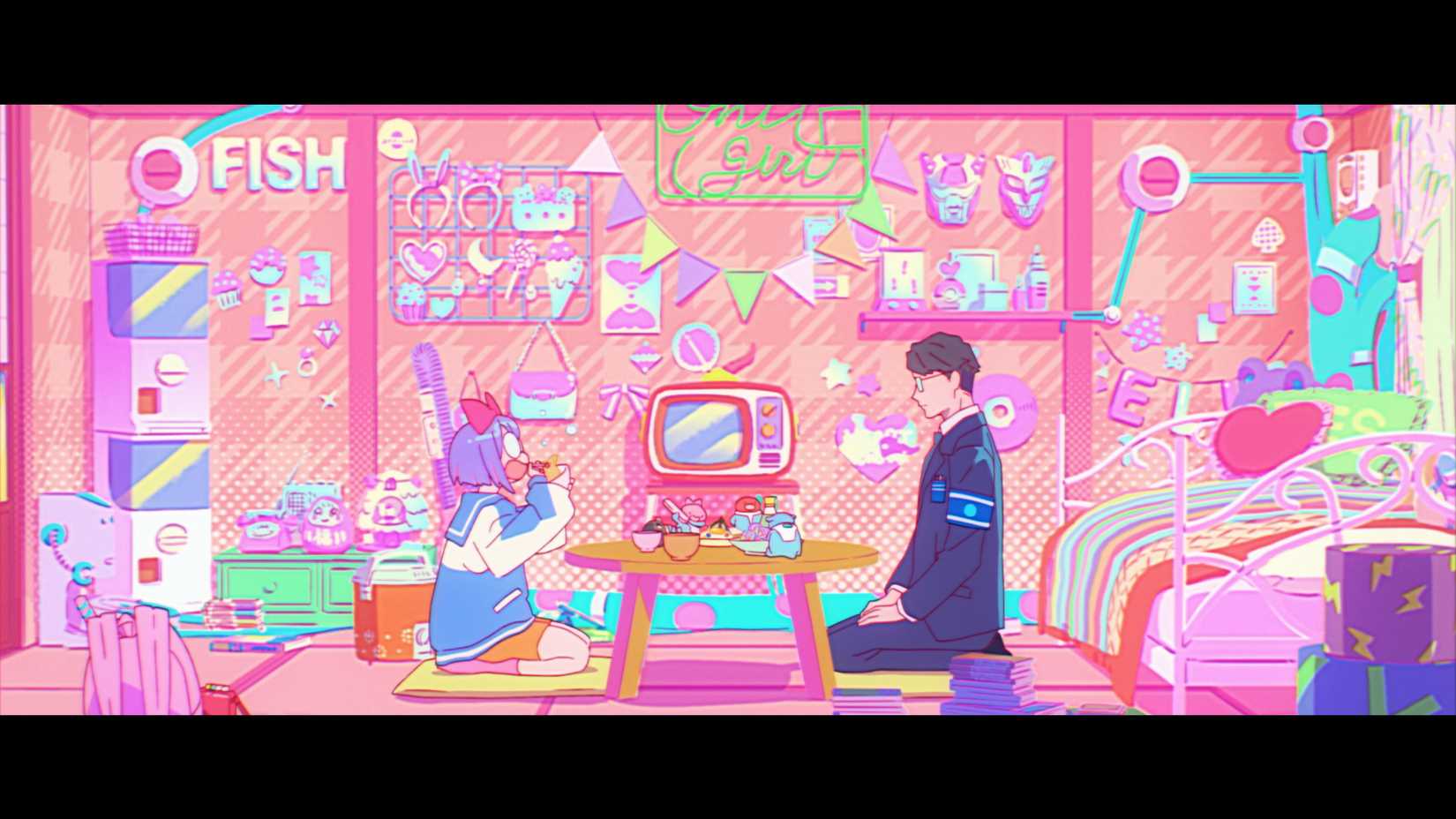
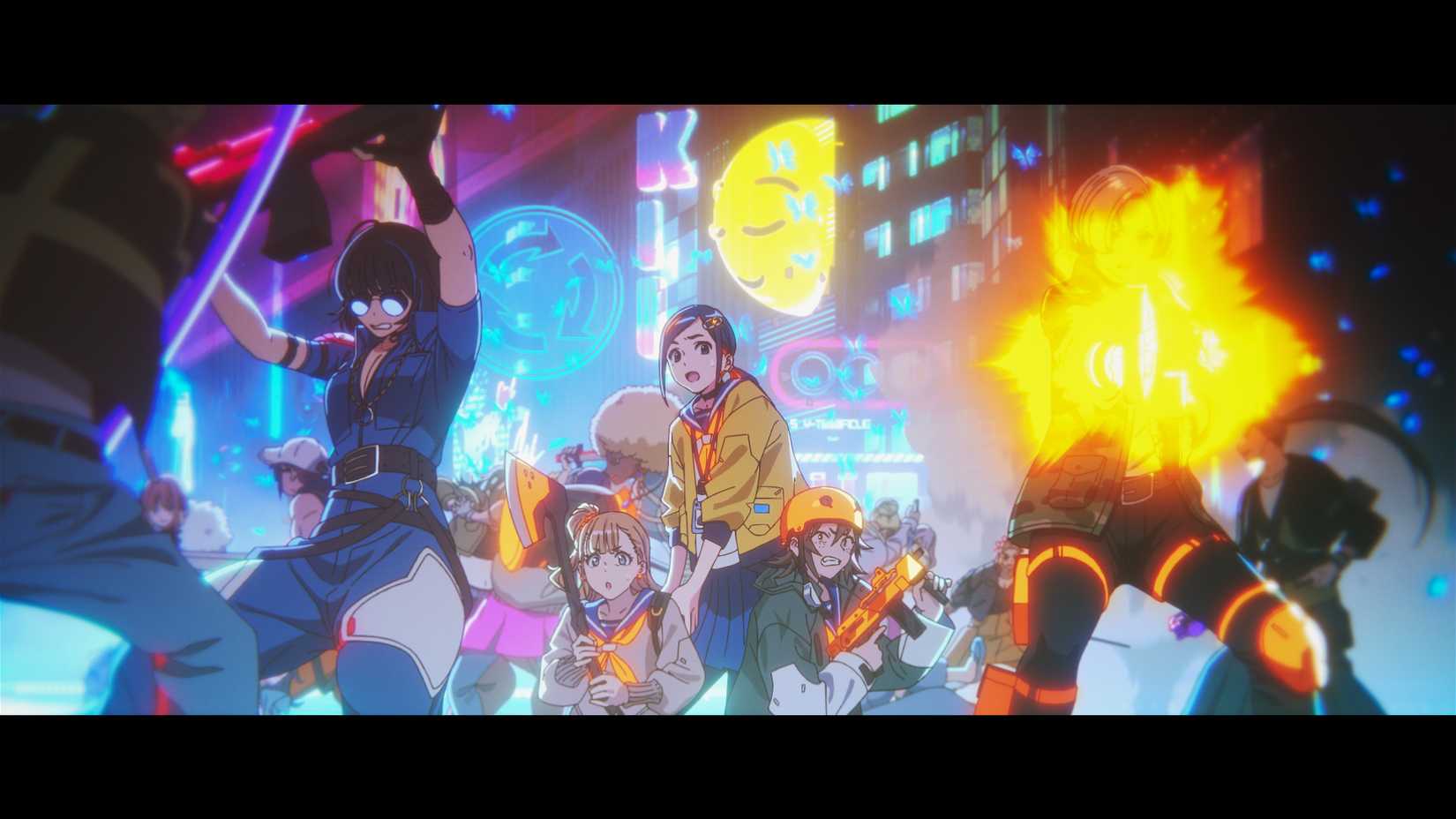
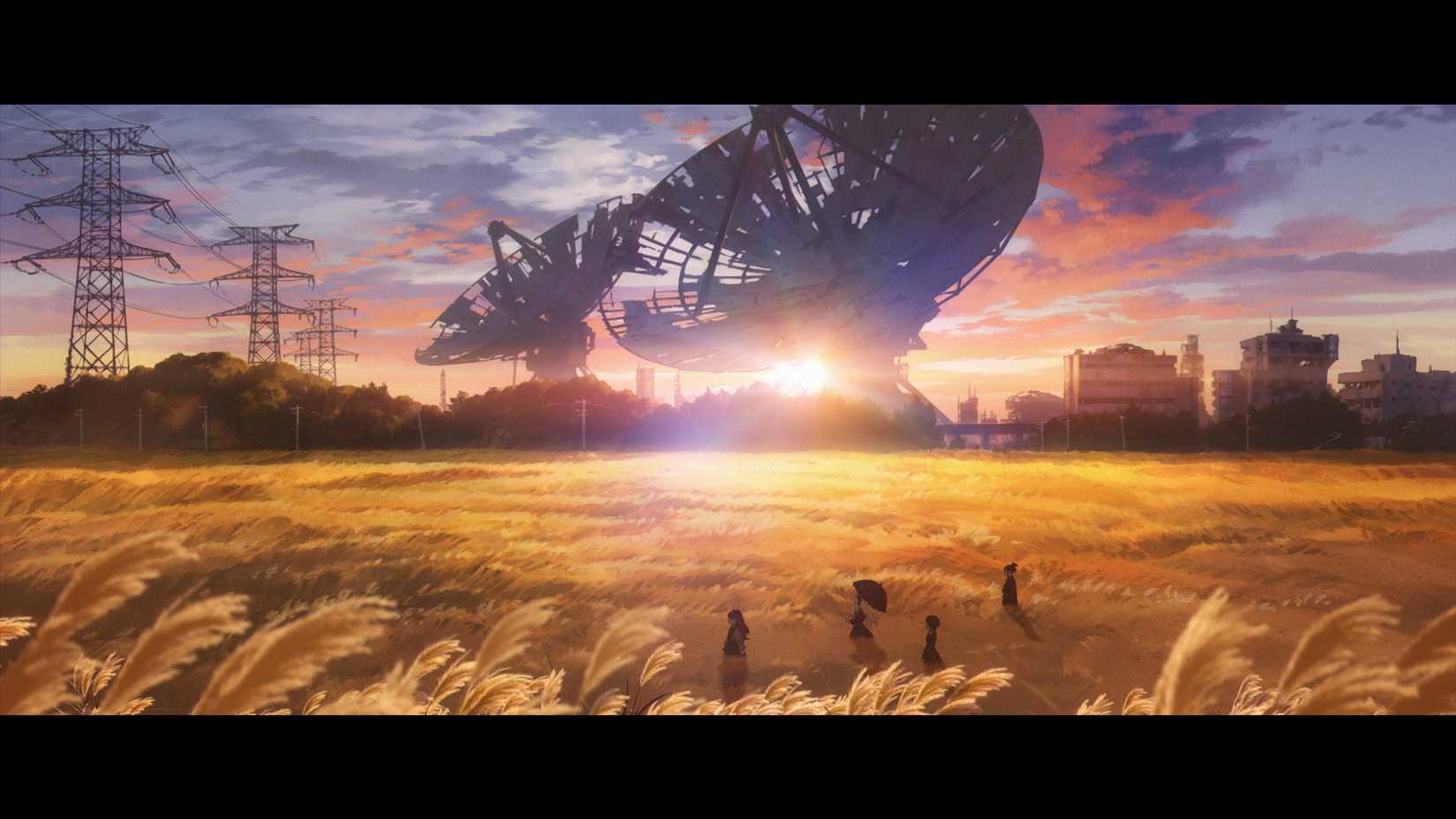
That granted freedom manifested as Grotesqqque, a genre-defying anthology comprising three distinct narratives: a lighthearted alien comedy ("AELIENS"), a brutal battle royale centering on a group of young girls navigating a world where the morning sun never rises ("Yoroshiku…Shoujo"), and a melancholic vampire tale set in a distant era after humanity has long since vanished ("Nocturne").
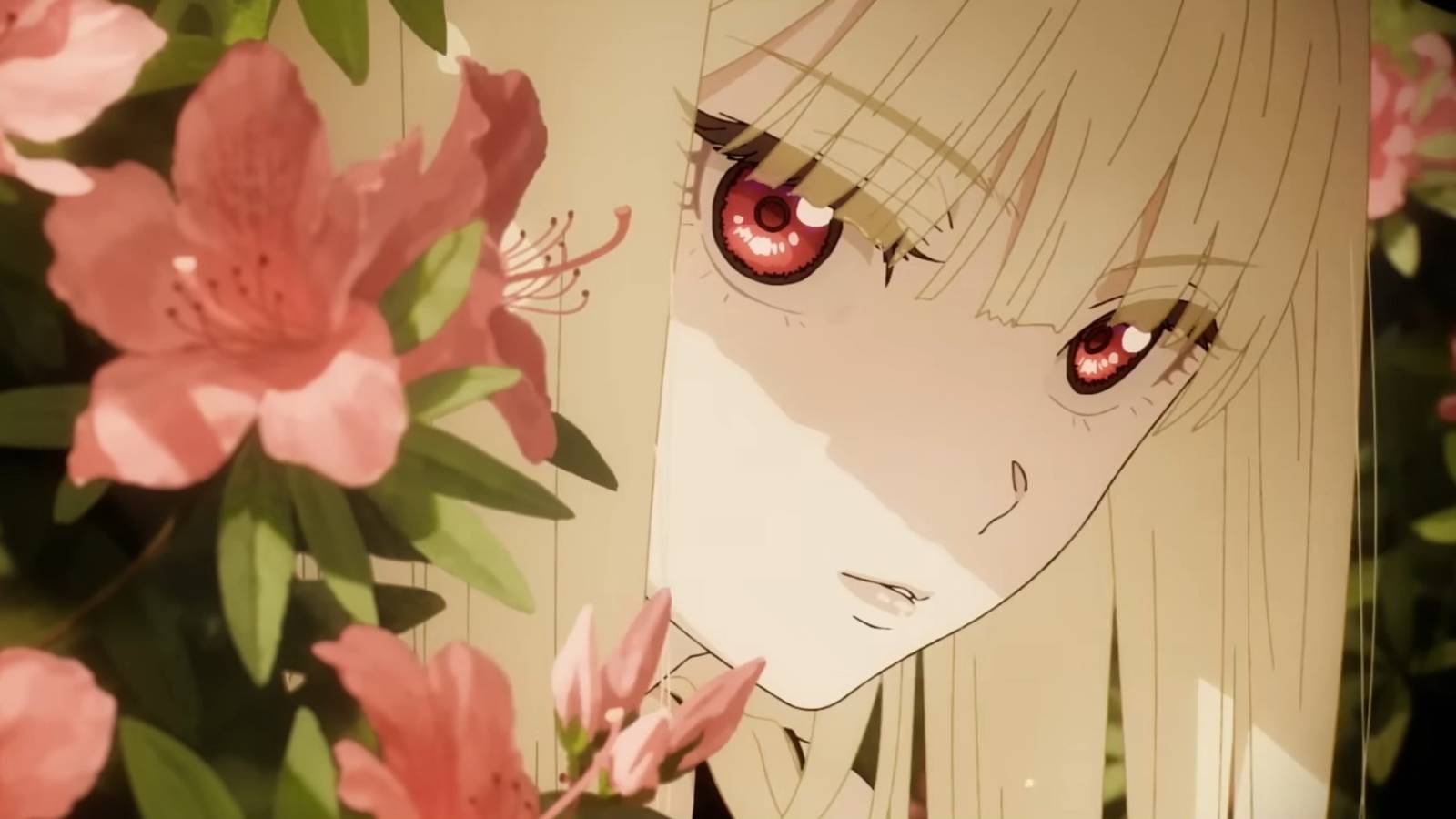
While the three segments span vastly different genres and settings, Nishigori notes that this sharp contrast is precisely what drew him to the project in the first place. He has long harbored an artistic affinity for placing opposing ideas side by side, allowing each narrative element to illuminate facets of the other that could never emerge in isolation.
"I think I’ve always enjoyed combining contrasting themes," Nishigori said. In the action-heavy "Yoroshiku…Shoujo," for instance, audiences are treated to explosions, fast-paced combat, and stylized violence. However, Nishigori was careful to ensure that these visceral spectacles never hijacked the entire narrative experience. "If those elements were the only things portrayed, we’d just be looking at one facet of the story, and it wouldn’t show the full picture."
Instead, he deliberately anchored those larger-than-life, high-stakes concepts with deeply grounded emotional beats—exploring the nuanced relationships between the girls, the objects and memories they consider precious, and the fragile emotional states they struggle to maintain amidst the chaos.
This thematic impulse toward juxtaposition flows through the very veins of Grotesqqque. By leaping fluidly between science fiction comedy, high-octane battle spectacle, and haunting vampire fantasy, Nishigori demonstrates little interest in sanding down the edges to make the transitions feel seamless. In fact, much of the creative thrill stems from letting those stylistic contrasts boldly clash. That friction even informs the film’s provocative title. While "grotesque" typically evokes images of horror, monsters, or unnatural bodily distortion, Nishigori applies a much broader, deeply personal definition to the term. He characterizes the film as a cumulative archive of everything that has ever struck him as strange or peculiar—particularly the disparate ideas and visual motifs that resist neat categorization.
"Even as the creator of this film, there are many emotions and thoughts within me that aren’t completely set in stone or clarified," he admitted. "There are a lot of scenes, characters, and emotions I wanted to portray while making this, but because I gathered so many different elements, some things naturally remain a bit undefined."

For Nishigori, this inherent sense of incompleteness became a foundational structural pillar of the film itself, influencing how he built each narrative segment from the ground up. Rather than starting with a rigid, tightly wound theme and constructing visuals to fit it, Nishigori prioritized striking character designs and compelling images first, allowing those visual anchors to naturally drive the narrative forward.
"I really focused on the visual aspect, and then tried to bring the music to match the visuals, because I kind of think of it as a long-format music video," he explained.
That methodology offers a clear lens into what makes Grotesqqque such an unconventional cinematic venture. By treating imagery not as a mere secondary accessory to a traditional script, but as a primary building block of the film, Nishigori elevates the role of sound design and score. Music functions as an essential layer, establishing the rhythm of each individual vignette and, eventually, dictating the pacing of the feature as a whole. This approach evokes memories of classic anime milestones like FLCL and Cowboy Bebop, works that drew immense vitality just as much from their distinct character dynamics as from the atmospheric music surging around them.
Anthology films have increasingly become a rarity within the contemporary commercial anime landscape. Historical highlights of the format—such as Neo Tokyo, Memories, Genius Party, and Star Wars: Visions—have occasionally struggled to maintain a cohesive momentum, often feeling disjointed even when exploring unified themes. Fully aware of this creative pitfall, Nishigori took deliberate steps to ensure that while the three stories of Grotesqqque retained their own fiercely independent identities, they ultimately contributed to a unified theatrical experience.
"I paid close attention to the viewer’s rhythm to ensure the experience is enjoyable, and they never get bored," he said. "I wanted to make sure each of the three works had its own distinct look and flow while also balancing how those individual rhythms contribute to the overall impression of the film."
Rather than forcing every narrative piece into a neat puzzle box, Nishigori opted to construct a collection of stories that move with a deliberate, pulsing cadence. This philosophy is especially palpable in "Nocturne," the third and final segment of Grotesqqque, which opens long after humanity has faded into history. Eschewing the temptation to make the cataclysmic apocalypse itself the dramatic centerpiece of the narrative, Nishigori pivoted toward the quiet aftermath: four young girls existing entirely alone in a decayed world.
"If we showed the whole movie how dramatic it is, we wouldn’t be able to portray how the characters interact," he noted. Instead, he preferred to focus on the lingering environment and grant the audience the creative space to extrapolate what came before. "There are a lot of pictures that give you room to imagine what happened during that appearance, so rather I want you to enjoy and imagine that."
In keeping with this open-ended philosophy, Nishigori has woven recurring locations, thematic echoes, and subtle visual motifs throughout Grotesqqque, though he has chosen to withhold a definitive decoder ring for the audience. When pressed on whether the three narratives exist within an interconnected multiverse, the director politely stopped short of offering a concrete explanation.
"There are certain locations or elements that I’ve intentionally layered to evoke a connection," he said. "But I’m not going to explicitly explain how things link together. Instead, I would like each of you to experience the film and have fun imagining and interpreting it in your own way."
Nishigori even hinted that observant viewers might draw conceptual bridges between Grotesqqque and his earlier directorial efforts, noting a personal parallel between the post-human melancholy of "Nocturne" and his previous work on Darling in the Franxx. While neither project shares a direct plot continuity, they share deep conceptual echoes and character-driven preoccupations. Once again, the invitation is extended to the viewer: look, absorb, and interpret, rather than waiting for the auteur to hand down a definitive answer.
This level of creative openness is somewhat unexpected for a filmmaker whose career has been so deeply intertwined with carefully mapped-out, meticulously constructed narrative universes. Yet, Nishigori emphasizes that one of the most vital lessons learned during the production of Grotesqqque was discovering how to synthesize decades of industry experience and make it feel entirely fresh.
Simply dumping his creative backlog onto the screen was never the objective. "I really wanted to make sure that this amalgamation of all of these pieces in the past is portrayed as something new, to make sure that it feels new to the audience, feels original," he stressed.
That persistent drive to forge something genuinely original while maintaining mainstream appeal formed the central balancing act of the production. Nishigori was fiercely determined to prevent his film from slipping into an exercise in pure obscurity simply because it embraces experimental structures.
"Finding that exact balance between the originality of the animation and pure entertainment value for the audience is what I paid the most attention to with this project," he said.
This philosophy explains why he discourages audiences from treating Grotesqqque as an elaborate puzzle that needs to be definitively solved upon a single viewing. For Nishigori, the ideal viewing mindset is much more immediate, akin to a cultural celebration.
"I’d like the audience to approach it almost like a festival," he said. "I want them to come and just bathe in the visuals and the music, and to purely enjoy it as a fun, immersive experience."
And he remains hopeful that audiences will return for repeat excursions. "Each time you watch it, you might experience different emotions or make new discoveries in the film," Nishigori added. "There will definitely be something new to find with every viewing, and I really hope people enjoy that."
Having spent years quietly hoarding ideas, character concepts, stylistic influences, and hard-earned lessons from across the anime industry, Nishigori has chosen not to tidy them away into a conventional box, but rather to assemble them into a deliberately vibrant, mismatched collection of cinematic vignettes. It is a fittingly bold description for a film bearing the title Grotesqqque. After years of devoting his craft to realizing the visions of others, Atsushi Nishigori finally has a canvas that is entirely his own. If Grotesqqque proves to be as intentionally strange, visually lush, and slippery to categorize as its director suggests, the most rewarding path forward is simply to dive in and experience it as often as possible.
"I wanted to make this as pure, accessible entertainment, so I hid a lot of the darker reality of the world so it wouldn’t ruin the fun vibe," Nishigori concluded. "But for the fans who love to look deeper, I think you’ll have a great time imagining what’s really going on."
Grotesqqque is scheduled to premiere on November 6, 2026, in Japan.