
The PlayStation 2 remains an towering monolith in video game history, boasting a library so vast and culturally impactful that modern platforms still struggle to match its sheer breadth. Sony’s legendary console was an undisputed megahit of the early 2000s, capturing the imagination of developers worldwide who were eager to stake their claim on the hardware. More than 4,000 titles were developed for the platform during its active lifecycle, with nearly 2,000 of those serving as exclusive experiences. For the video game industry of that era, those figures represented an astronomical milestone of creative output and commercial reach.

While that staggering collection undeniably delivered some of the most celebrated all-time classics in interactive entertainment, it also cultivated an even richer ecosystem of cult hits and overlooked experiments. Over the past two decades, a vast number of titles have slipped through the cracks of mainstream gaming memory, transforming into the sort of treasured, underrated gems that retro collectors and enthusiasts tirelessly hunt for on secondary markets. Beyond the obvious blockbusters that dominated magazine covers, the console’s library is characterized by bold risks and eccentric design choices. Examining these underappreciated works highlights just how robust and adventurous the platform truly was when developers were given the freedom to look past conventional formulas.
Shadow of Destiny
Among the most distinctive titles that every dedicated retro library should strive to preserve is Konami’s Shadow of Destiny. Released during the early years of the console’s lifecycle, it stands as a singular time-traveling adventure game centered on a man desperately attempting to reverse his own premeditated murder by manipulating the flow of history. The core mechanics revolve around creating improbable butterfly effects. For instance, convincing an NPC not to plant a specific tree in the past can successfully thwart a present-day assassin who would otherwise utilize that very foliage for cover.
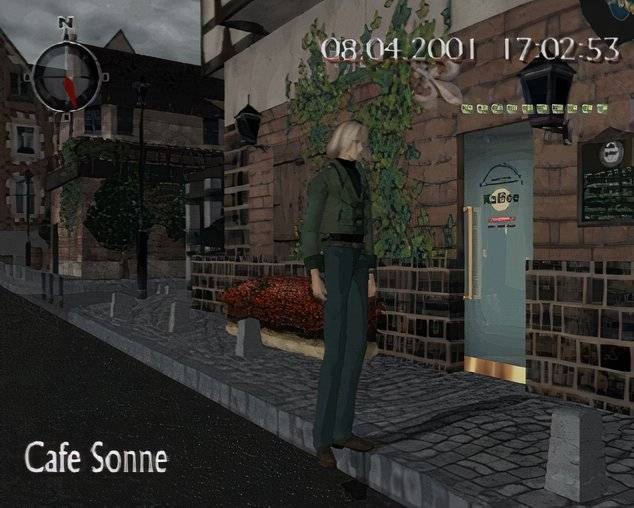
It is a concept that leans heavily into the absurd, yet it executes its premise with a charm that makes the journey thoroughly enjoyable. Adding to its distinct flavor of eccentricity, the production features legendary Mario voice actor Charles Martinet in a memorable role as a creepy homunculus. Titles like Shadow of Destiny exemplify the kind of narrative risks that defined the era, offering a narrative-driven experience that prioritized conceptual ingenuity over predictable action tropes.
Baroque
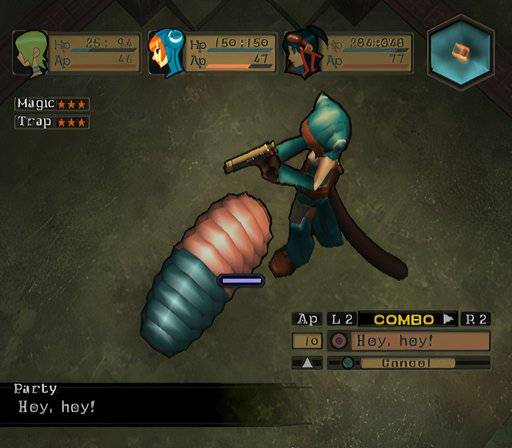
Atlus may be widely recognized today for its massive commercial and critical dominance with franchises like Persona and Shin Megami Tensei, but the publisher spent much of the early 2000s backing deeply eclectic and unconventional projects. A prime example of this philosophy is Baroque, developed by Sting Entertainment. Originally launched for the Sega Saturn before receiving a reimagined PlayStation 2 port in 2007, the game presents a bleak, atmospheric dungeon crawler saturated in heavy religious iconography and an underlying sense of climate crisis anxiety.
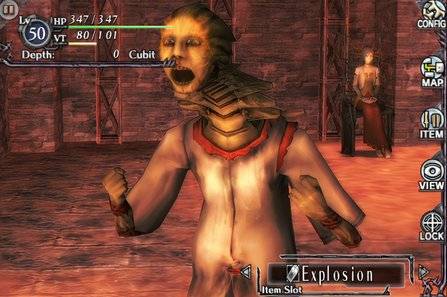
Players are tasked with descending through the randomly generated floors of the ominous Neuro Tower while equipped with the Angelic Rifle, navigating an unsettling world populated by tormented creatures and cryptic lore. It is a profoundly bizarre, eerie role-playing game that feels increasingly overdue for a comprehensive mainstream reassessment, standing out as a fascinating artifact of a time when publishers were willing to fund dark, avant-garde artistic visions without guaranteed mass-market appeal.
Kinetica
Before cementing its legacy as an action-gaming powerhouse with the monumental success of the God of War franchise, Sony’s Santa Monica Studio actually cut its teeth in the industry by building a high-speed racing game. Kinetica introduced players to a futuristic sci-fi racing ecosystem where competitors essentially pilot high-tech human motorcycles fused with aerodynamic suits. The result was a blistering, fast-paced arcade racer that felt very much like Sony’s own distinct spiritual answer to Nintendo’s celebrated F-Zero series.
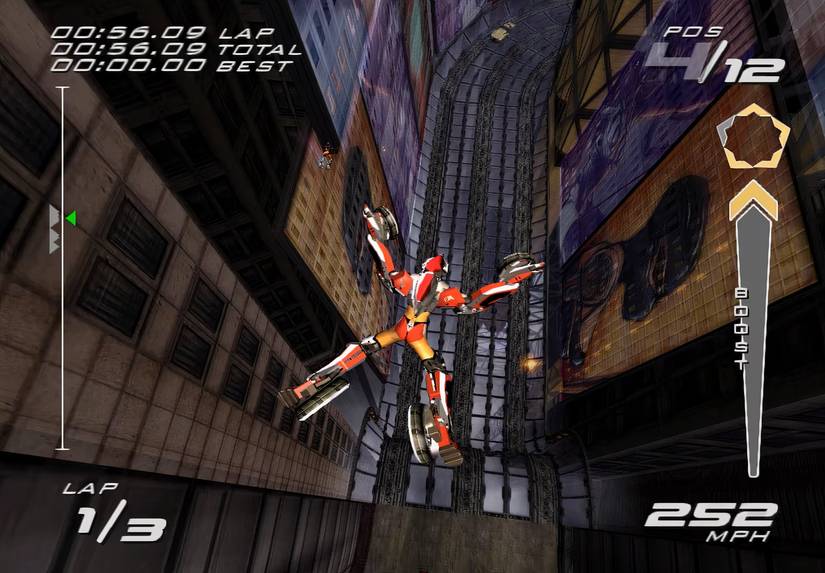
While the title failed to make massive commercial waves when it first hit shelves in 2001, time has been exceptionally kind to its design. Kinetica holds up remarkably well today, maintaining a sharp, distinct sense of both style and velocity. It remains a fascinating piece of history within a storied developer’s catalog, demonstrating that some of the industry’s premier action architects initially mastered their craft by engineering pure, unadulterated momentum.
Breath of Fire: Dragon Quarter
Capcom’s venerable Breath of Fire franchise began its long history as a relatively traditional role-playing series, comfortably holding its own alongside industry heavyweights like Final Fantasy and Dragon Quest during the 16-bit and early 32-bit generations. That established identity shifted dramatically in 2002 with the arrival of Breath of Fire: Dragon Quarter, which served as a radical departure for the property. The game traded the traditional, leisurely turn-based adventuring of its predecessors for a suffocating, claustrophobic dungeon-crawler premise that proved deeply divisive among longtime fans at the time of its release.

Removed from the initial shock and controversy, Dragon Quarter is now widely recognized as a deeply creative reimagining that cleverly fused turn-based tactics with real-time positioning and resource management. As players navigate its grim, subterranean world with the ever-present pressure of a ticking meter tracking their transformations, the game showcases an uncompromising design philosophy. For modern observers, it stands as a compelling reminder of Capcom’s willingness to radically reinvent established intellectual property, making it an enticing candidate for potential revitalization akin to the company’s treatment of Onimusha.
Psi-Ops: The Mindgate Conspiracy
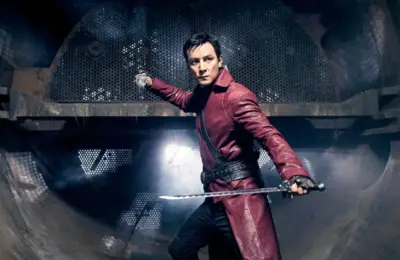
Perhaps few titles capture the spirit of forward-thinking experimentation quite like Psi-Ops: The Mindgate Conspiracy. Midway’s third-person shooter placed players squarely in the shoes of a psychic secret agent equipped with an arsenal of supernatural abilities, tasked with dismantling a dangerous terrorist organization from the inside out. The mechanical suite revolved around powers like telekinesis, remote viewing, and mind control, establishing a sandbox of destructive physics and creative combat scenarios.
With the benefit of hindsight, Psi-Ops essentially laid the groundwork for modern paranormal action titles, serving as a spiritual blueprint for games like Remedy Entertainment’s Control more than a decade and a half later. Despite earning positive critical reception upon launch, the game struggled commercially at the time. Fortunately, modern preservation efforts by Sony have allowed contemporary audiences to revisit the title, ensuring that this landmark exercise in telekinetic combat remains accessible to a new generation of players exploring the rich history of the era.