
When The Simpsons made its official television debut at the tail end of December 1989, it quickly transcended the medium of animation to become a full-blown cultural phenomenon. Within a remarkably short span, the animated family from Springfield spawned an unprecedented merchandising juggernaut with the mischievous Bart Simpson firmly positioned at its center. Fans of the era will fondly remember a staggering wave of tie-in products that flooded the market, ranging from plush dolls and interactive video games to themed shampoo bottles and an endless sea of unofficial, bootleg T-shirts.
As the cultural footprint of the show continued to expand exponentially, it felt like a natural evolution when The Simpsons finally made the leap to print. By 1993, the franchise secured its own dedicated comic book series, giving fans a new avenue to explore the chaotic lives of America’s favorite dysfunctional family. These print adventures proved to have remarkable staying power, running for an impressive 25 years before finally concluding when Bongo Comics, the publishing company founded by series creator Matt Groening, officially shut its doors in 2018.
However, the comic books were not the only paper-and-ink venture the franchise pursued during its height. For a brief, easily overlooked window of time between 1999 and 2004, The Simpsons also produced its very own weekly newspaper comic strip. Crafted by the talented writers and artists who were already working on the main Simpsons comic book line at Bongo, these bite-sized daily and Sunday installments debuted across roughly 80 newspapers nationwide. Given the widespread syndication of print media at the turn of the millennium, it remains entirely possible that casual newspaper readers of the era caught a glimpse of Homer and Bart’s comic page antics over their morning coffee.

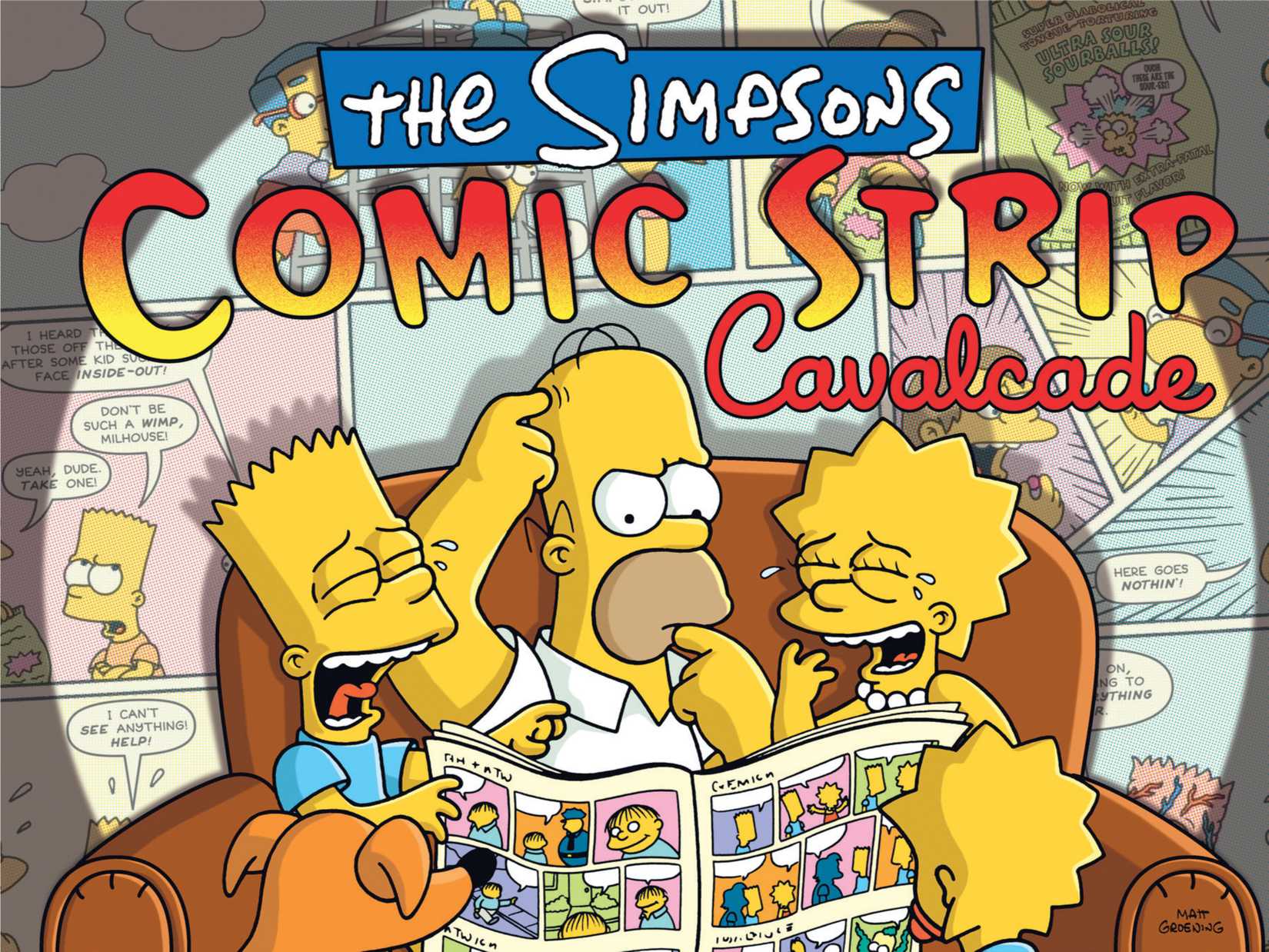
Despite reaching tens of thousands of readers across the country during its five-year run, the newspaper strip has largely faded into obscurity, remaining a relatively hidden footnote in the sprawling history of The Simpsons franchise. That is about to change, however, for longtime collectors and completionists alike. On October 6, Abrams Books is set to resurrect these forgotten gems with the release of a comprehensive hardcover collection titled The Simpsons Comic Strip Cavalcade. The book, which compiles a substantial selection of the syndicated strips, is currently available for pre-order, offering a nostalgic bridge to an era of print media that has largely vanished from daily life.
Ahead of the official publication date, Abrams Books provided a first look at the collection, showcasing six standout examples out of the 126 comic strips featured within the upcoming hardcover volume. For fans eager to secure a copy of the lost strips, pre-orders are currently open across major online and brick-and-mortar book retailers. In the meantime, a glimpse into these archival pages reveals the distinct comedic timing and artistic style that defined the strip during its five-year run.
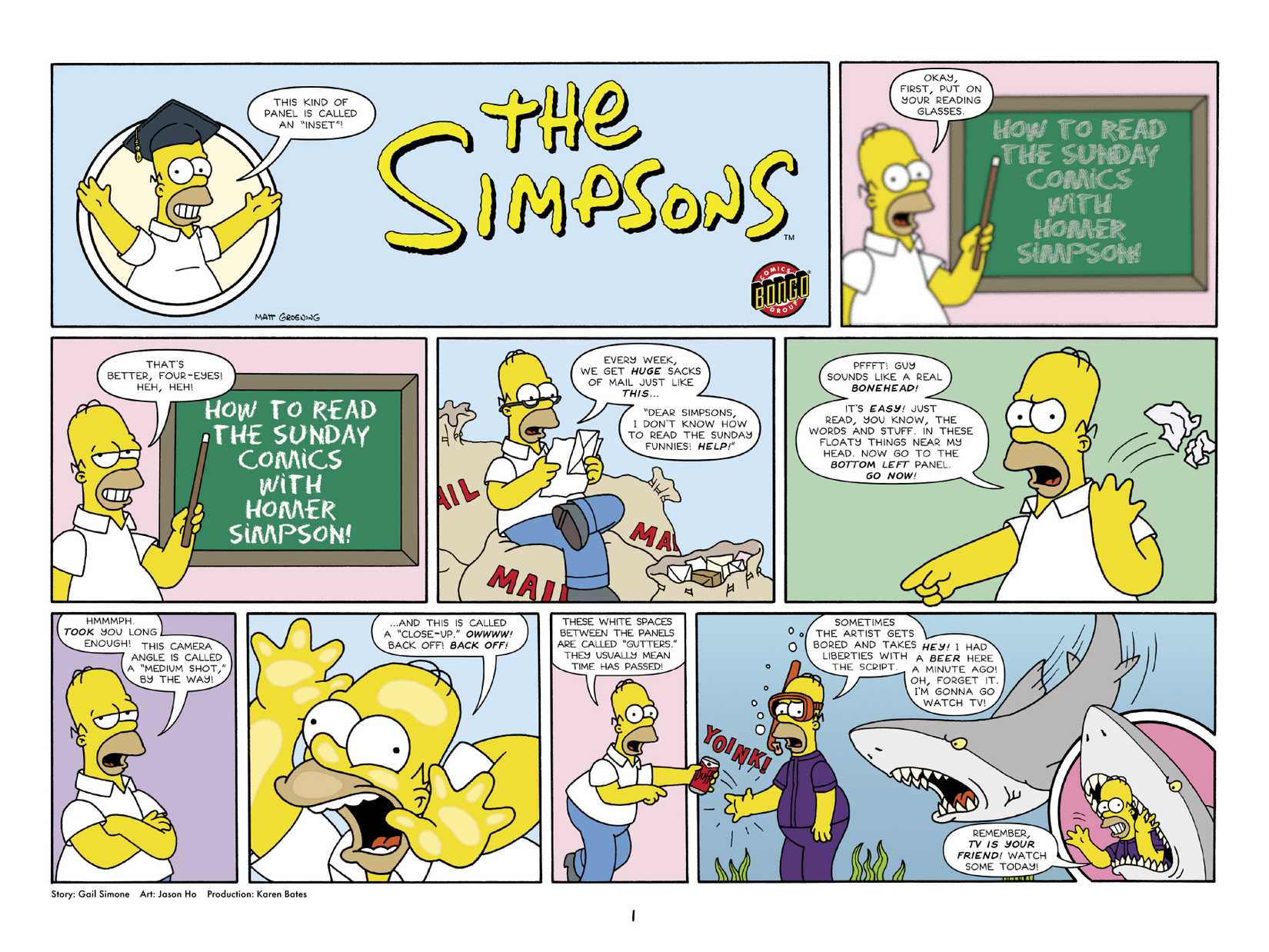
How to Read Sunday Comics with Homer Simpson
One of the highlights featured in the upcoming collection offers a characteristically meta approach to the medium itself. In a strip dedicated to the patriarch of the family, the narrative focuses on "How to Read Sunday Comics with Homer Simpson." True to form, Homer treats the traditional weekend pastime not as an artistic medium to be appreciated, but as a logistical challenge involving maximum comfort, minimal physical exertion, and plenty of opportunities for daytime napping. The strip highlights the classic domestic dynamic of the show, blending domestic banality with Homer’s unique brand of enthusiastic laziness.
An Adventure with Bart in his Lucky Red Cap
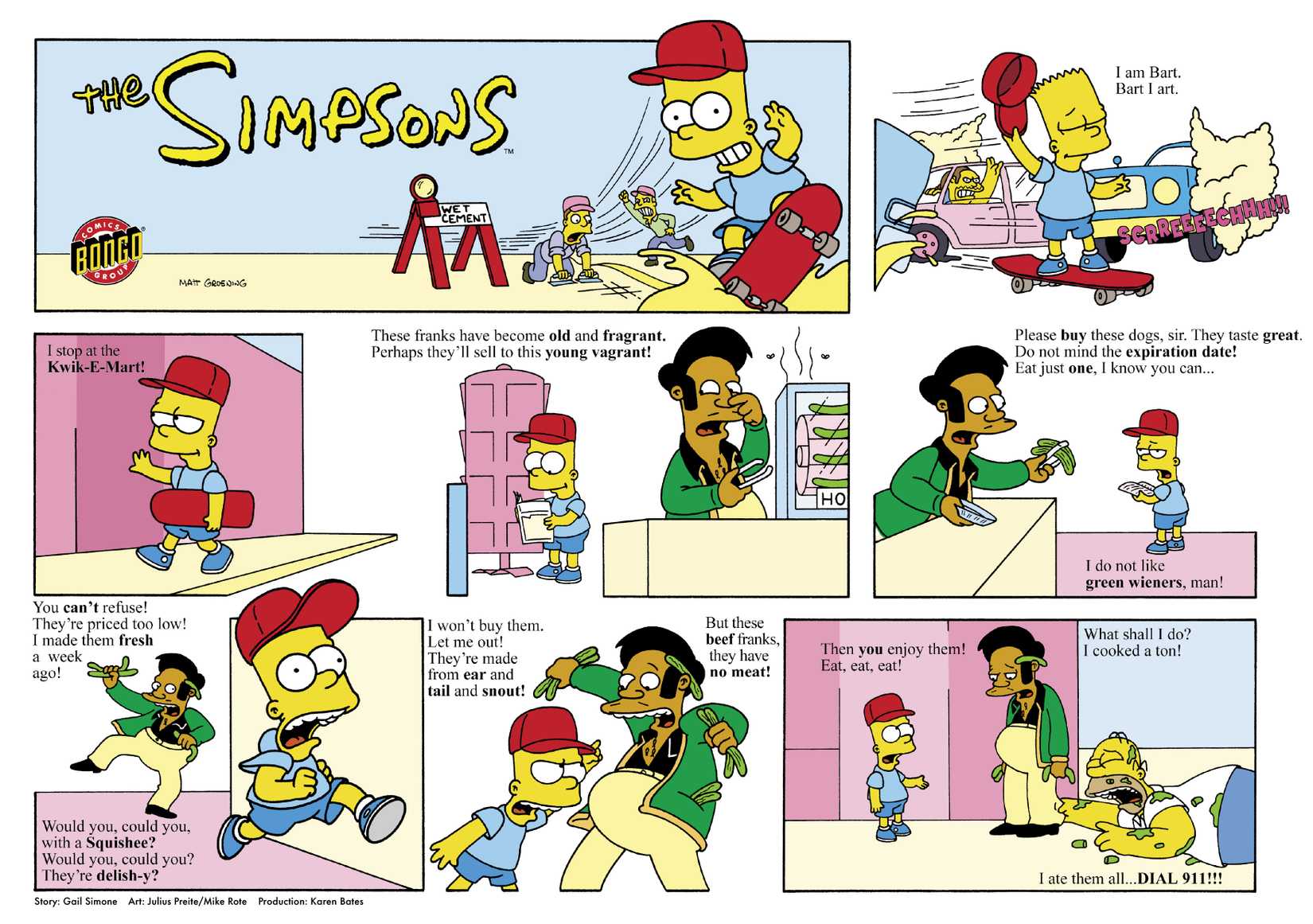
Moving from the couch to the streets of Springfield, another featured strip follows Bart Simpson on a quintessential misadventure involving his lucky red cap. Known for his impulsive schemes and knack for stumbling into bizarre predicaments, Bart takes center stage in a storyline that captures the classic neighborhood energy of the early seasons. Whether the cap serves as a catalyst for a neighborhood prank or a shield against Principal Skinner’s watchful eye, the short-form format allowed creators to distill Bart’s rebellious persona into a fast-paced narrative punchline well-suited for the constraints of daily syndication.
Homer and some shaving cream
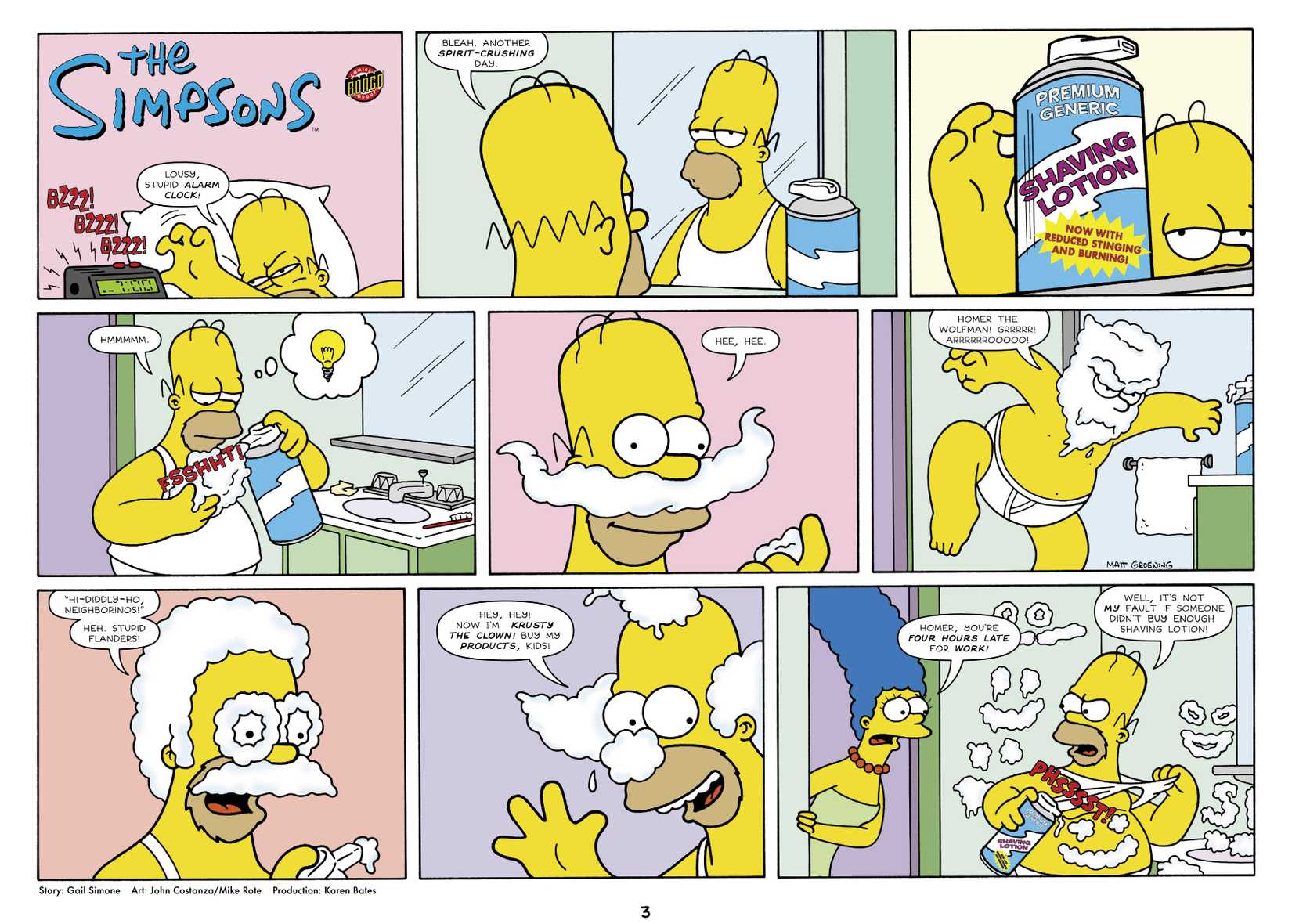
Domestic frustration takes center stage in a strip that finds Homer grappling with a simple household product: shaving cream. In the animated series, mundane daily routines are frequently derailed by Homer’s short attention span and lack of spatial awareness, and the newspaper format proved to be an ideal canvas for these quick visual gags. The strip utilizes the classic setup-and-punchline structure of traditional newspaper funnies, weaponizing everyday bathroom items to deliver a quick laugh at the expense of Springfield’s most famous safety inspector.
A Simpson family trust fall
Team-building exercises rarely go according to plan in the real world, and they fare even worse when applied to the Simpson household. Another strip pulled from the archives features a classic family trust fall exercise. Designed to foster mutual support and familial bonding, the exercise instead provides a neat framework for showcasing the underlying chaos of the family dynamic. With Marge attempting to inject a sense of wholesome modern psychology into the home, and Homer and the kids subverting the premise entirely, the strip showcases how well the characters adapted to the self-contained storytelling demands of the syndicated comic page.
The Unpossible World of Ralph Wiggum
No exploration of Springfield’s extended cast would be complete without a dip into the wonderfully surreal and delightfully nonsensical mind of Ralph Wiggum. Titled "The Unpossible World of Ralph Wiggum," this particular strip leans entirely into the non-sequitur humor that made the character a fan-favorite meme long before social media existed. By isolating Ralph in his own miniature narrative landscape, the creators captured the bizarre logic that defines his character, proving that even a tiny newspaper panel was enough to contain his uniquely skewed perspective on reality.
Bad spoon!
Rounding out the exclusive preview provided by Abrams Books is a strip with a deceptively simple premise centered around inanimate object hostility: "Bad spoon!" Much like the shaving cream gag, this strip takes a mundane, everyday item and turns it into an antagonist for Homer’s fleeting patience. It is a prime example of the slapstick sensibilities that governed the newspaper comic strip format, relying on expressive character reactions and physical comedy to land its jokes without needing the elaborate setup required by a full half-hour television episode.
The Simpsons Comic Strip Cavalcade arrives in bookstores on October 6, preserving a forgotten chapter of pop culture history for a new generation of fans.