

Nearly two decades into early retirement, financial independence advocate and writer known as Mr. Money Mustache has discovered a surprising psychological hazard hidden within the complete freedom of his lifestyle. While the early retirement model is widely celebrated for eliminating the traditional 9-to-5 grind and granting individuals absolute autonomy over their daily schedules, it can quietly morph into a subtle trap of stagnation for those who fail to manage its boundless unstructured time.
Reflecting on nineteen years away from conventional employment, the author acknowledges the immense upside of his lifestyle: having the uninterrupted ability to raise a son from birth through his eighteenth birthday without compromise, while dedicating thousands of hours to family, health, friends, adventures, construction projects, and writing. However, he points out that this seemingly utopian existence introduces a peculiar dilemma that falls squarely into the realm of first-world problems—he never actually has to do anything he does not want to do.
To the average worker trapped in traffic or tied to an office desk, total freedom combined with financial security sounds like a non-stop playground of self-actualization. Yet, reality proves more complex. Freedom and accumulated wealth ultimately act as a magnifying glass, revealing an individual’s true psychological strengths and weaknesses. On one end of the spectrum lies self-destructive sloth, while on the other lies high-level civic and creative productivity.
For the first decade of his retirement, maintaining balance came naturally. Between an intense fatherhood schedule, neighborhood house-restoration projects, ambitious travel, video production, and hundreds of blog posts, days were filled with purposeful exertion. In recent years, however, a gradual slowing down exposed a growing difficulty in self-regulation. Instead of maintaining laser focus on construction sites or the keyboard, the author found himself drifting toward early afternoon lounging, seeking digital distractions, and wishing for the energy required to execute enjoyable tasks.
To combat this creeping lethargy, he began deep-diving into health and wellness literature, exploring the impact of daily habits and the dangers of excessive modern comfort. While these educational resources offered valid solutions, a recurring pattern emerged: the knowledge was successfully incorporated for a short time, only for the brain to gradually invent excuses to lapse back into comfortable inactivity.

The breakthrough came with a stark realization. Rather than serving purely as a liberation from a grueling commute and corporate office walls, unstructured freedom was being weaponized as a tool to evade tasks requiring planning, energy, or focus. Freedom, the author notes, goes to waste if an individual simply replaces a demanding job with passive scrolling on a phone while children watch cartoons in the background. Without channeling that freedom into pursuits more valuable than the job left behind, early retirement loses its primary purpose.
This avoidance manifested clearly in daily routines, most notably physical fitness. Weight training is widely recognized as one of the most efficient investments of time, paying dividends across every other area of physical and mental health. Yet, the author found himself caught in an elaborate mental loop of procrastination: identifying the desire to work out, recognizing a lack of motivation due to the inherent difficulty of the task, attempting to engineer the "perfect" conditions—such as ideal weather, high energy levels, and a pre-set home gym—and ultimately letting days or weeks slip by with lackluster results.
The turning point arrived when he fundamentally altered his internal dialogue around resistance. Instead of engaging in a meandering negotiation with himself about whether the conditions were right, he learned to spot the exact moment of hesitation as an internal alarm bell. Recognizing hesitation not as a valid reason to pause, but as a definitive sign of self-sabotage, became the ultimate trigger for immediate action. The new mental framework was simple: wanting to work out, acknowledging a lack of desire to do so, recognizing the self-sabotage in real-time, and immediately putting on shoes to head to the gym.

This counterintuitive approach—running directly toward difficult tasks rather than away from them—transformed not only his fitness routine but other areas of his life, including regular running, socializing at a local coworking space, and committing to writing.
To test these observations, the author discussed the concept with peers, finding a distinct division among his social circle. Overachieving friends managing multiple businesses, raising children, and training for grueling athletic endurance events felt constantly stressed and over-committed, while underachievers struggled with motivation. Both groups, he concluded, could benefit from moving toward a sustainable middle ground.
The catalyst that truly solidified this mindset change was exposure to the extreme discipline of endurance athlete and former Navy SEAL David Goggins, whose life story and philosophy became a focal point after a podcast interview. Overcoming severe childhood trauma, Goggins built a reputation for seeking out and enduring unimaginable physical and psychological hardship, from near-death experiences during military selection to running hundreds of miles without sleep and setting pull-up world records.
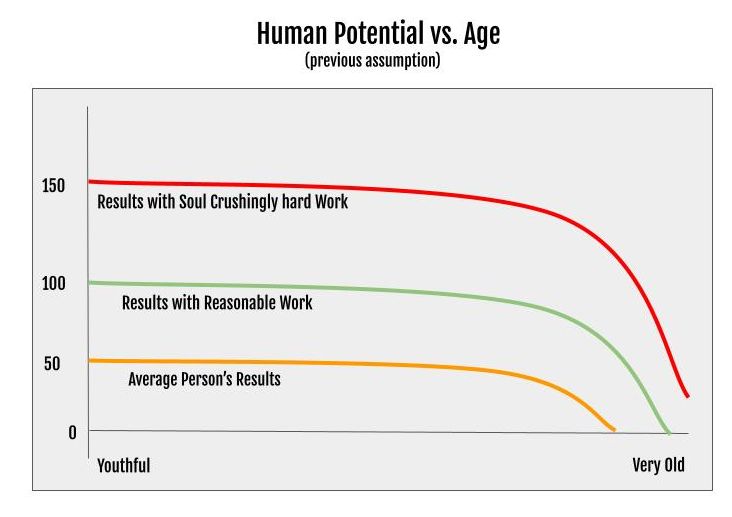
While the author emphasizes zero desire to emulate the extreme physical extremes of Goggins’ lifestyle—such as running massive ultramarathons—learning about his journey fundamentally shifted perspective on human limitations. It underscored the reality that most personal barriers are entirely mental rather than physical or environmentally imposed. This realization dismantled old assumptions about fixed personal capacities, opening up a wider horizon of potential achievement.
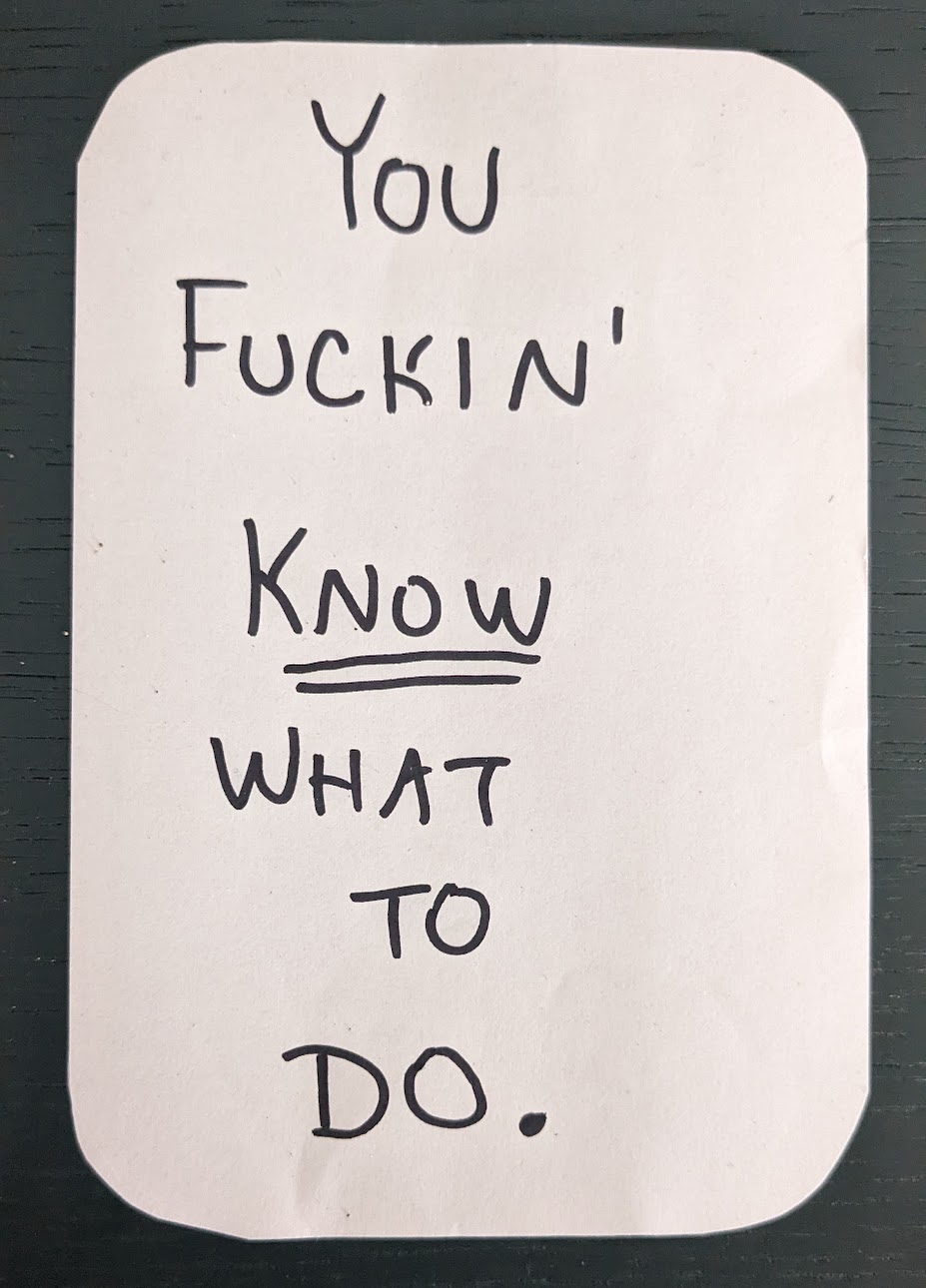
Armed with a concise, motivating reminder scrawled on a cardstock note attached to his bathroom mirror—stating plainly that individuals already know what they need to do—the author immediately put the philosophy into practice. The shift in attitude yielded tangible physical results. Over a four-month period, consistent daily gym attendance enabled him to pack on ten pounds of lean muscle mass, restoring the strength, joint mobility, and flexibility he possessed in his mid-twenties.
Similar mental triggers were applied to increase running frequency, engage in professional work, and maintain creative output without falling into the trap of overwork. To sustain this momentum, he integrated audiobooks and literature from high-performance figures into his daily morning walks, drawing inspiration from thinkers and practitioners who emphasize extreme ownership and biological optimization.
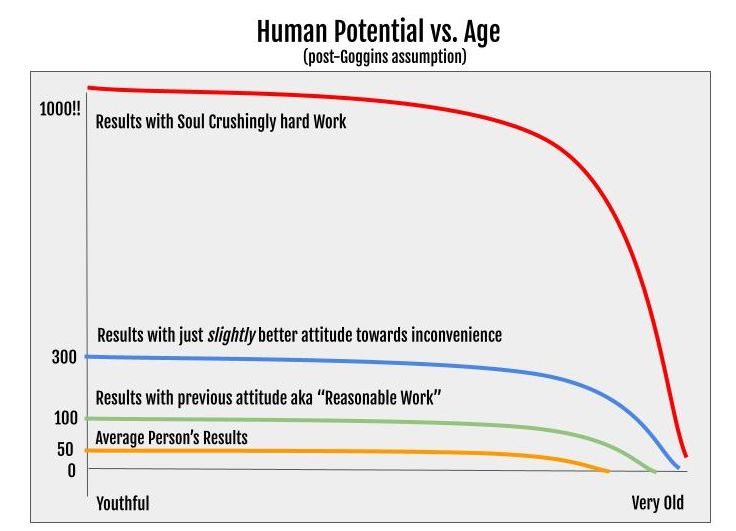
While acknowledging that contemporary cultural debates often scrutinize the messaging of high-performance health podcasters and figures associated with intense physical culture, the author advocates for a pragmatic approach: absorbing the actionable insights that yield personal results while leaving the rest behind. Ultimately, surrounding oneself with sources of inspiration that encourage higher aspirations serves as a vital tool for navigating the later stages of early retirement with purpose and vitality.