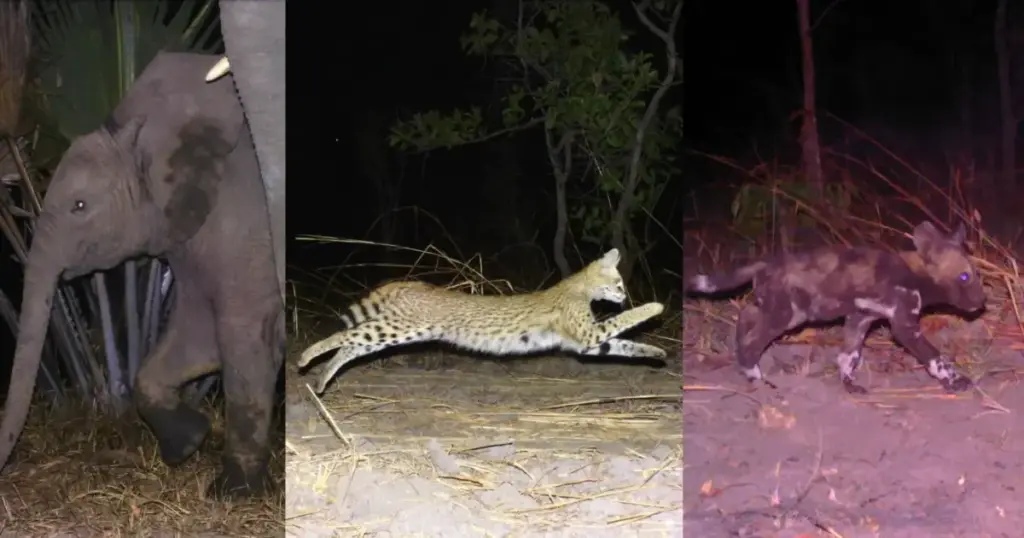
A comprehensive, year-long camera trap survey conducted across the remote expanses of western Tanzania has yielded a staggering trove of 150,000 images, shedding unprecedented light on the region’s endangered and elusive fauna. Among the most thrilling discoveries is the historic documentation of a rare African wild cat variant never before recorded within the country’s borders.
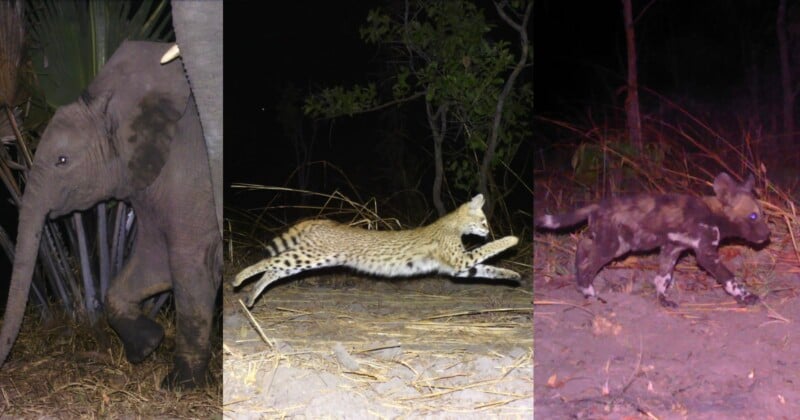
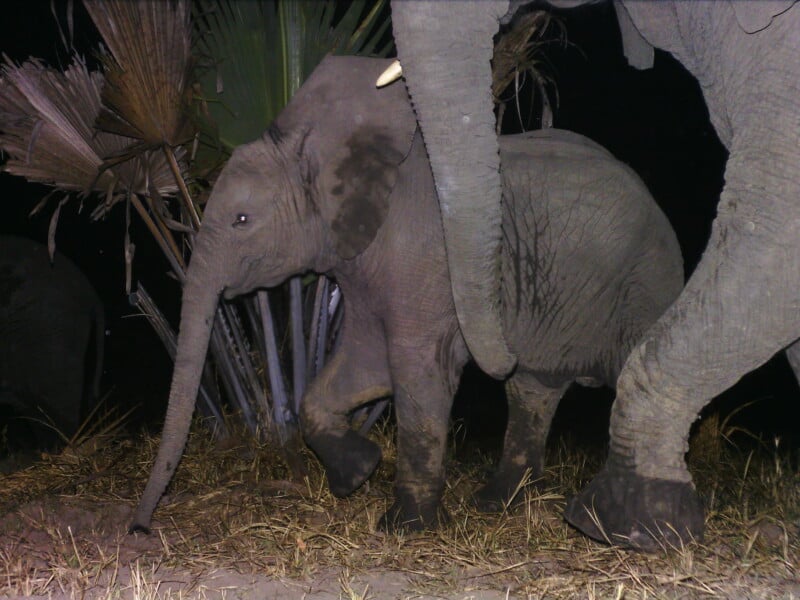
Over the past year, conservation scientists from Panthera Tanzania deployed more than 300 camera traps across a vast swath of western Tanzania. The survey area, roughly comparable in size to Cape Verde in West Africa, encompasses critical wilderness zones including the Luganzo-Tongwe and Ugalla Game Reserves. Operating silently through the night and day, these unobtrusive devices captured hundreds of thousands of photographs and video frames, documenting a diverse assembly of creatures ranging from iconic apex predators to secretive nocturnal species, including lions, leopards, elephants, bushbabies, aardwolves, bat-eared foxes, and springhares.
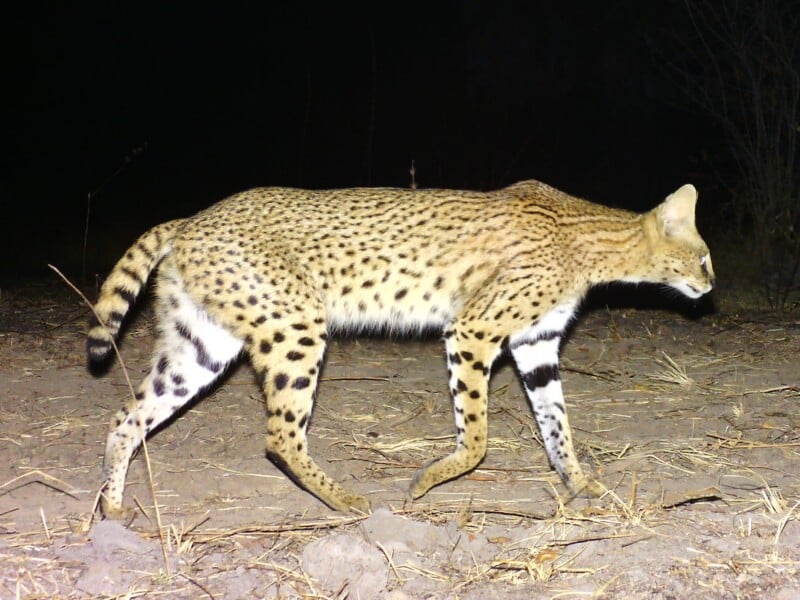
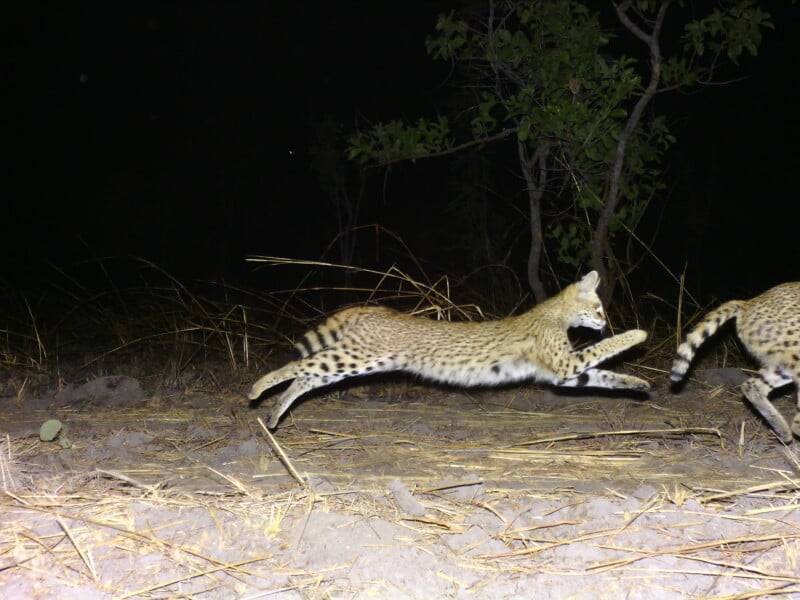
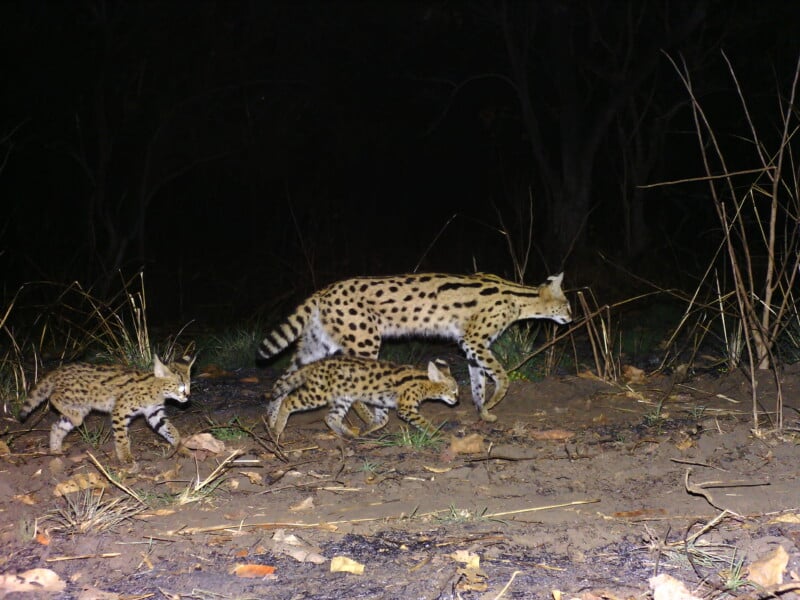
The primary highlight of the ambitious survey is the first confirmed photographic evidence in Tanzania of servals exhibiting a rare and specialized coat pattern known as the "servaline morph." The serval is a slender, medium-sized African wild cat renowned for its distinctive physical proportions and extraordinary hunting prowess. It is characterized by a small head, exceptionally large ears, a long neck, and the longest legs of any feline relative to its overall body size. While typical servals feature prominent, bold black spots scattered across their golden coats, the servaline morph displays a dramatically different aesthetic, marked by smaller, freckle-like spots that closely resemble a constellation of fine speckles.
Dr. Charlotte Searle, Senior Ecologist and Data Specialist at Panthera Tanzania, expressed the team’s excitement when reviewing the initial batches of imagery. When the researchers began processing the data gathered from their newly established monitoring stations in western Tanzania, they were thrilled to identify two distinct visual forms of the same species: conventional black-spotted servals and their elusive, finely spotted counterparts.
Both colorations belong to the exact same feline species, yet the servaline morph is exceedingly rare across the African continent. Prior to this survey, only a handful of confirmed records had ever documented the variant, originating almost exclusively from isolated sites in the Republic of Congo, Rwanda, and Uganda. The sharp, clear images captured within the Luganzo-Tongwe and Ugalla Game Reserves mark a major milestone for Tanzanian mammalogy, officially establishing the presence of this rare color morph within the nation for the very first time.
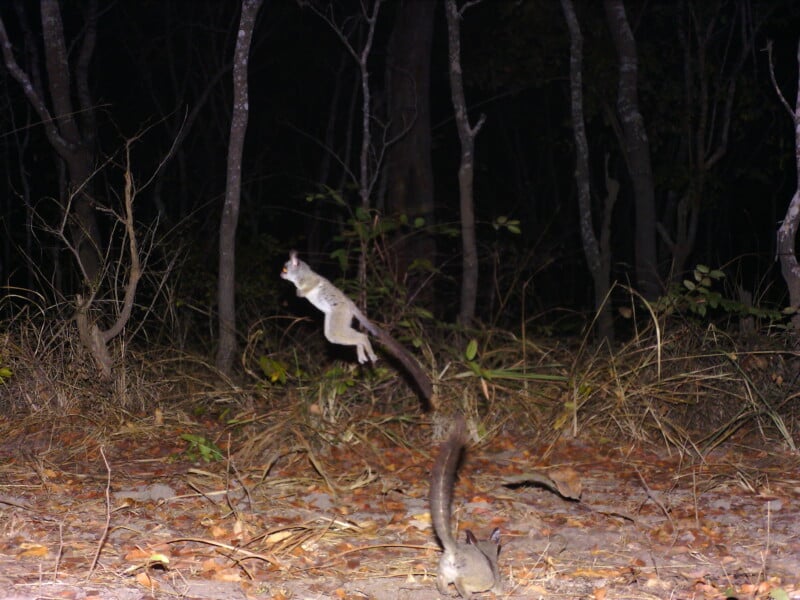
According to Dr. Searle, advanced camera-trapping technology serves as an indispensable tool for modern conservation science, enabling researchers to document rare servals and a host of other reclusive animals that would be virtually impossible to observe or encounter in person during standard field expeditions. The remote reserves of western Tanzania remain intensely wild, and the local wildlife populations are frequently skittish and unaccustomed to human presence. Because these animals actively avoid human contact, spotting such creatures directly is an extraordinarily rare stroke of luck.
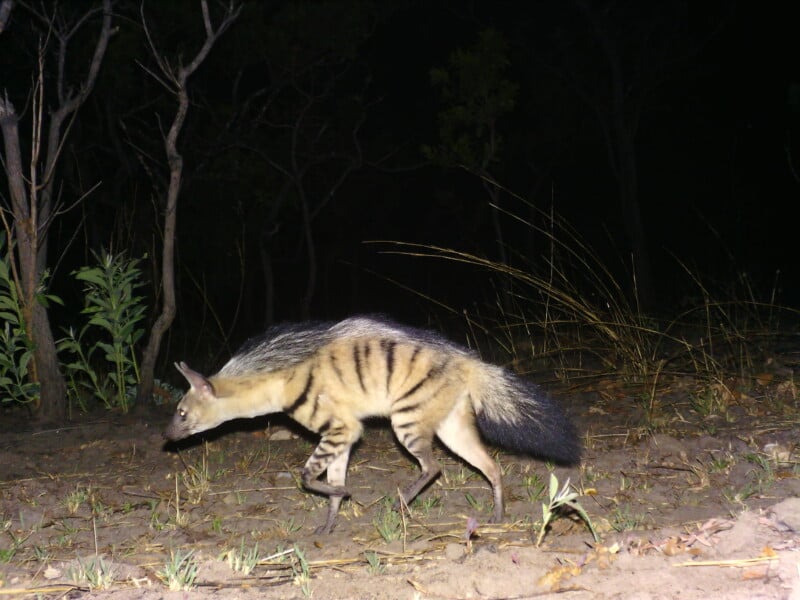
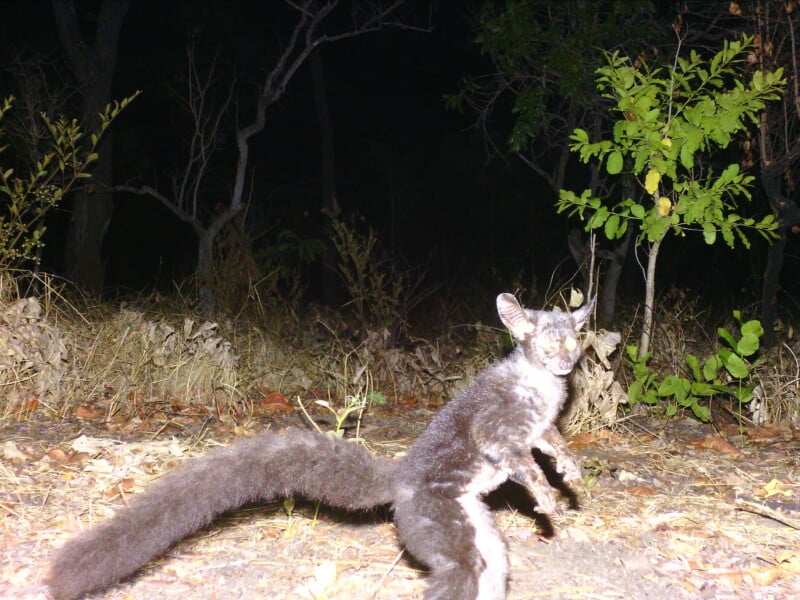
Camera traps, by contrast, can remain securely and unobtrusively anchored in the field for months on end, enduring harsh environmental conditions while silently recording the hidden behaviors of the nocturnal and daytime ecosystem. In addition to the groundbreaking documentation of the servaline servals, the Panthera Tanzania cameras successfully captured rare melanistic genets and dark-coated bushbabies. Furthermore, the survey provided some of the very first documented records confirming the active presence of aardwolves, bat-eared foxes, and springhares within this specific region of western Tanzania.
Dr. Searle noted that the sheer volume of unexpected findings points directly to a broader truth about contemporary conservation: despite decades of academic study, vast tracts of Africa’s wilderness remain severely under-researched. The discoveries underscore just how much scientists still have to learn regarding the true distribution, abundance, and behavioral ecology of the continent’s diverse wildlife populations.
While the camera trap survey has provided moments of celebration and stunning visual documentation of Tanzania’s biodiversity, the project’s findings have simultaneously underscored pressing conservation concerns, particularly regarding the region’s larger carnivore guilds. Data harvested from the remote lenses revealed that lion populations residing within the Ugalla and Luganzo-Tongwe Game Reserves are currently hovering at levels well below the true carrying capacity of their natural habitat.
These vulnerable predator populations face a compounding array of severe anthropogenic threats. Chief among the dangers are illegal bushmeat snares set indiscriminately throughout the bush, accidental vehicle strikes along developing infrastructure routes, and the mounting pressure of habitat encroachment driven by a rapidly expanding human population in surrounding communities. Conservationists emphasize that while modern monitoring tools like camera traps provide vital insights into the hidden lives of endangered species, translating these discoveries into long-term survival will require intensified protection measures and proactive mitigation of human-wildlife conflict across western Tanzania’s fragile frontier ecosystems.