Sugar substitutes have long been marketed as a healthier choice for consumers looking to cut back on foods loaded with refined sugar and glucose. Found across grocery store aisles and pantry shelves, common alternatives include aspartame—the popular sweetener utilized in Equal packets—sucralose, widely known as Splenda, and a category of compounds called sugar alcohols, which includes sorbitol. These ingredients are frequently chosen by individuals seeking to manage their weight, lower their daily caloric intake, or avoid the sharp blood sugar spikes associated with traditional table sugar.
However, a growing body of scientific research is rapidly complicating the long-held assumption that these alternative sweeteners are automatically harmless or inert. A new study suggests that sorbitol, in particular, may trigger metabolic effects that make it significantly less benign than many consumers and food manufacturers assume. The findings invite a closer look at how the human body processes various sugar substitutes, challenging the notion that they simply pass through the digestive system without leaving a biological footprint.
Sorbitol May Be One Step Away From Fructose
The new research, published recently in the scientific journal Science Signaling, builds directly upon an ongoing line of investigation from Gary Patti’s laboratory at Washington University in St. Louis. Researchers in the lab have spent considerable time examining how fructose affects the liver and other critical parts of the human body.
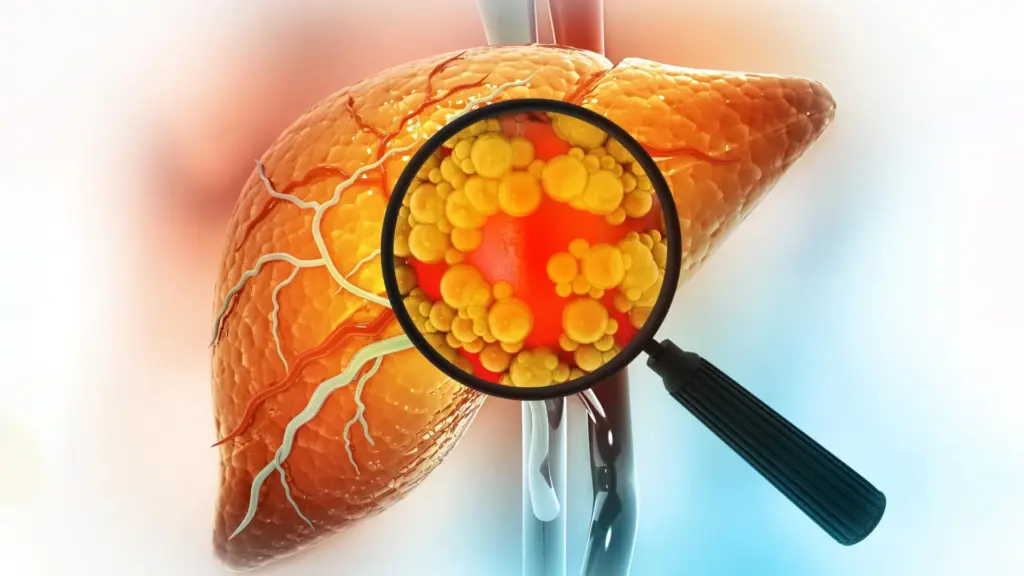
Gary Patti, who serves as the Michael and Tana Powell Professor of Chemistry in Arts & Sciences, as well as a professor of genetics and medicine at WashU Medicine, has previously investigated the complex biochemical chain reactions that occur when fructose is processed by the liver. His earlier work revealed that the metabolic products generated by the processing of fructose can be actively exploited by cancer cells to promote and accelerate their growth. Furthermore, a wide array of separate scientific research has identified excess fructose consumption as a major, critical contributor to steatotic liver disease, a serious medical condition characterized by the abnormal accumulation of fat in the liver that currently affects approximately 30 percent of all adults worldwide.
The new findings raise fresh concerns about sorbitol specifically because of how closely related it is to fructose from a metabolic standpoint. Patti described sorbitol as being essentially "one transformation away from fructose," indicating that once the compound enters the biological system, the human body can readily convert it into a closely related molecular form capable of producing very similar physiological and metabolic effects.
From the Gut to the Liver
To better understand these pathways, the research team performed a series of controlled experiments utilizing zebrafish to precisely trace what happens to sorbitol once it enters a living organism. Sorbitol is a common additive found in many low-calorie candies, sugar-free chewing gums, and specialized diet foods, but it is also a substance that occurs entirely naturally in various stone fruits like peaches, plums, and cherries.
During their investigations, the team discovered that sorbitol does not necessarily have to come directly from ingested food sources. Instead, specialized enzymes located within the human intestine are capable of producing sorbitol directly from glucose following the consumption of a regular meal. Once sorbitol is present inside the digestive tract, its ultimate biological fate depends heavily on two main factors: the total amount of glucose and sorbitol that has been consumed, and the specific composition and types of bacteria living within the gut microbiome.
This dynamic creates several distinct, possible routes through which these fructose-related compounds can eventually find their way into the liver.
Much of the previous scientific research concerning sorbitol metabolism has historically centered on chronic health conditions such as diabetes. Under those specific medical conditions, unusually high blood glucose levels can drive the human body to manufacture substantially larger amounts of sorbitol internally.
The primary enzyme responsible for synthesizing sorbitol possesses a relatively low affinity for glucose. Put simply, this enzyme generally does not become heavily active until glucose concentrations within the body rise quite substantially. For that reason, internal sorbitol production has traditionally been heavily associated with diabetes, where uncontrolled blood glucose levels can reach elevated heights.
The zebrafish experiments, however, revealed that a diabetes diagnosis is not a prerequisite for this process to occur. Even under completely healthy physiological conditions, glucose concentrations inside the human gut can become elevated enough following a meal to trigger significant sorbitol production right in the intestine.
"It can be produced in the body at significant levels," Patti explained regarding the internal synthesis of the compound. "But if you have the right bacteria, turns out, it doesn’t matter."
Gut Bacteria Can Act as a Protective Filter
According to the study’s findings, certain types of gut bacteria appear to play a critical role in preventing sorbitol from becoming a metabolic problem. Specifically, sorbitol-degrading strains of Aeromonas bacteria have the capacity to consume the sugar alcohol and successfully convert it into a completely harmless bacterial byproduct.
This microbial cleanup process may ultimately determine whether sorbitol remains safely localized within the gut or manages to travel farther into the rest of the body.
"However, if you don’t have the right bacteria, that’s when it becomes problematic. Because in those conditions, sorbitol doesn’t get degraded and as a result, it is passed on to the liver," Patti noted.
Once the un-degraded sorbitol successfully reaches the liver, it can undergo chemical conversion into a derivative of fructose, opening the door to the same types of metabolic stress associated with the sugar.
This discovery is particularly relevant because individuals living with diabetes and various other metabolic disorders frequently and deliberately select food products labeled as "sugar-free" in an earnest effort to completely avoid the adverse health effects associated with ordinary table sugar. Consequently, understanding whether alternative sweeteners truly deliver a healthier metabolic outcome remains a high priority for public health research.
Too Much Sorbitol Can Overwhelm the Gut
At relatively low levels—including the modest quantities typically obtained through eating whole fruit—resident gut bacteria appear to be exceptionally effective at breaking down and removing sorbitol before it can cause issues.
However, that protective biological situation can change rapidly when the overall amount of sorbitol rises beyond what those local microbes are realistically capable of processing. This scenario can unfold in at least two distinct ways. Consuming large quantities of glucose can cause the intestine to synthesize more glucose-derived sorbitol internally, while consuming large quantities of sorbitol directly via heavily sweetened processed foods can simultaneously increase the total chemical load.
As both glucose and sorbitol intake climbs higher, even individuals who naturally carry beneficial, sorbitol-degrading bacteria may eventually overwhelm those microbes’ processing capacity, making it impossible for them to keep up with the volume.
This reality makes navigating modern food products increasingly difficult for health-conscious consumers. Many ultra-processed foods on supermarket shelves contain several distinct forms of sugar and alternative sugar substitutes all at the same time. Patti discovered this complex reality firsthand when he realized that his own favorite, go-to protein bar contained a surprisingly large amount of sorbitol hidden within its ingredient list.
Sugar Alcohols May Not Simply Pass Through the Body
Sorbitol belongs to a broader family of chemical compounds known as polyols, which are more commonly referred to as sugar alcohols. These substances are widely utilized across the food industry because they provide the sweet taste consumers desire while often supplying significantly fewer calories than ordinary table sugar.
For decades, a common assumption among both the public and food scientists has been that these compounds are largely expelled from the body through digestion without causing any major metabolic effects or interacting deeply with internal tissues. The new research findings suggest that this biological story is considerably more complicated than previously thought.
While Patti’s laboratory still needs to determine the exact biochemical mechanisms by which bacteria break down and remove sorbitol, the researchers found clear, empirical evidence demonstrating that sorbitol does not necessarily remain safely confined within the digestive tract.
"We do absolutely see that sorbitol given to animals ends up in tissues all over the body," Patti said, pointing to the systemic reach of the compound.
Ultimately, these findings reinforce a much broader lesson that continues to emerge from contemporary scientific research concerning alternative sweeteners. Simply replacing ordinary sugar with another sweet-tasting chemical compound does not automatically eliminate the potential for adverse metabolic consequences.
As Patti summarized the situation regarding the search for healthier dietary options, "there is no free lunch" when exploring sugar alternatives, particularly when several distinct metabolic pathways can ultimately lead in the direction of liver dysfunction and other health concerns.
This research project was supported financially by the National Institutes of Health, operating under specific grants R35ES028365 awarded to G.J.P. and P30DK056341 awarded to S.K.