Financial markets have spent the past several months acting like a circus tent in a hurricane, experiencing some of the sharpest drops and recoveries in modern history. Following a multi-year climb that peaked in early 2025, the stock market plunged roughly 20% at its lowest point before staging a dramatic recovery that brought major indices right back near their record highs. According to financial analysts and market observers, the primary driver behind this intense volatility is straightforward: the aggressive use of tariffs and shifting international trade policies.
As governments experiment with sweeping trade restrictions, the resulting economic uncertainty has left regular investors wondering what the future holds for early retirement funds and long-term investments. Reactions across communities and financial circles range from dismissal of the turbulence as a minor disturbance to deep anxiety over systemic economic instability. While the ultimate outcome of these global trade battles remains undecided, the immediate effects are already visible as businesses brace for operational changes, currencies fluctuate, and interest rates react.
Understanding Tariffs and Their Real-World Cost
At its most fundamental level, a tariff is a sales tax levied by a government on goods imported from other countries. These taxes are formally paid by the importing entity—whether that is an individual consumer purchasing an item directly from an overseas manufacturer or a major corporation bringing in products by the shipload, such as Amazon, Walmart, or Apple.
Ultimately, however, these taxes are absorbed by the end consumer. When a retailer’s cost of goods increases due to import levies, prices rise correspondingly to maintain profit margins. Beyond consumer goods, tariffs directly impact heavy industries and construction. When major companies undertake large-scale infrastructure or commercial projects, import taxes on essential raw materials like steel, copper, and lumber significantly raise building costs. Because modern residential construction relies heavily on materials sourced globally, these taxes also flow directly into the housing market, driving up home prices.
Broad-based tariffs function similarly to any other consumption tax, acting as a general economic brake that slows overall activity and reduces consumer spending power. While the collected revenue flows directly into government coffers to fund national budgets and potentially reduce deficits, economists emphasize that tax structures must remain low, fair, and predictable. This predictability is essential to provide individuals and businesses with the stability needed to plan for the long term. Current trade policies, characterized by rapidly shifting threats and fluctuating numbers, represent the opposite of a stable economic environment.
The Strategic Argument and the Trap of Protectionism
Proponents of tariffs often argue that they protect domestic industries from foreign competition. By placing a tax on imported goods, locally manufactured alternatives gain a temporary advantage, theoretically boosting sales and supporting domestic manufacturing jobs. For example, imposing steep taxes on imported automobiles can drive consumers toward domestic alternatives, helping local manufacturers increase revenue, expand payrolls, and build new facilities.
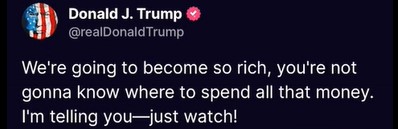
Yet this strategy carries significant trade-offs. While protected industries and their employees may benefit from reduced competition, the rest of the economy pays higher prices for goods and services. Increased operational costs ripple outward. Delivery fleets face higher vehicle expenses, startups operate in a more expensive environment, and protected corporations face less pressure to innovate, streamline operations, or improve efficiency.
Because of these widespread systemic costs, the broad consensus among economists is that tariffs should be used sparingly—typically restricted to critical sectors involving national defense or food security—since they generally reduce overall economic efficiency and slow growth.
Navigating the Current Economic Landscape
The current economic landscape has been heavily influenced by the speed and unpredictability of trade pronouncements. When steep tariff increases are announced, market share prices typically drop as investors anticipate reduced corporate profitability. Conversely, news of pauses or reductions triggers immediate market rallies, reflecting renewed optimism regarding international commerce.
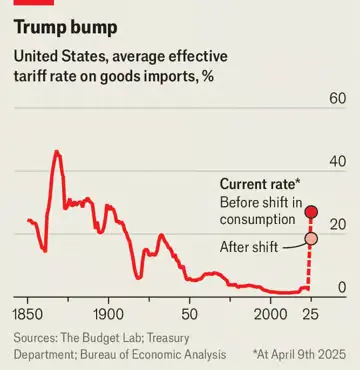
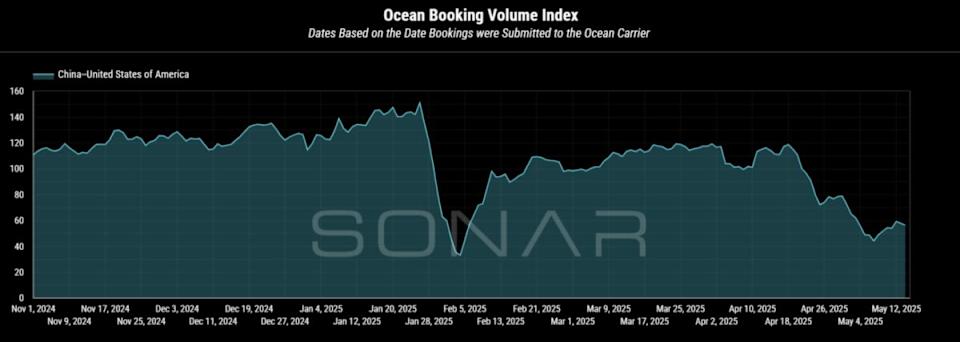
Despite tariff levels remaining significantly higher than the historical norms maintained over the past three quarters of a century, everyday consumers may not have immediately noticed widespread price spikes. The modern global economy operates much like a massive cargo ship with substantial momentum and deep inventories. When trade tensions escalated, importers proactively accelerated orders to stockpile goods before taxes took full effect.
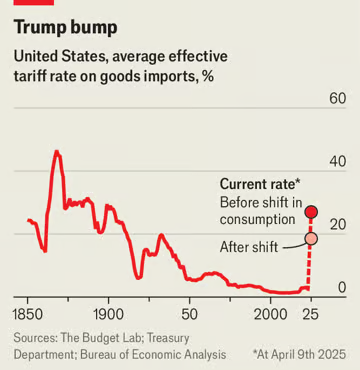
As these stockpiled inventories are gradually depleted and import volumes decline, the cushion of cheap goods is rapidly disappearing. Economists note that if these trade restrictions persist, price increases and potential supply shortages are likely to manifest across various sectors, impacting everything from consumer goods to industrial machinery.
Scenarios for the Future
Looking forward, financial analysts generally outline two primary trajectories for the ongoing trade policy experiment. The first scenario involves the current high-tariff regime becoming permanent. While widely viewed as unlikely due to broad economic opposition, a permanent tariff regime would likely result in restructured global supply chains, higher baseline consumer prices, and slower, more insulated domestic industries.
The second and more probable scenario treats the extreme tariff figures primarily as high-stakes negotiating tactics designed to secure concessions, eventually giving way to a return to lower tariffs and normalized trade relations. Historical precedent suggests that open borders, minimal trade restrictions, and collaborative international trade remain foundational pillars of national prosperity.
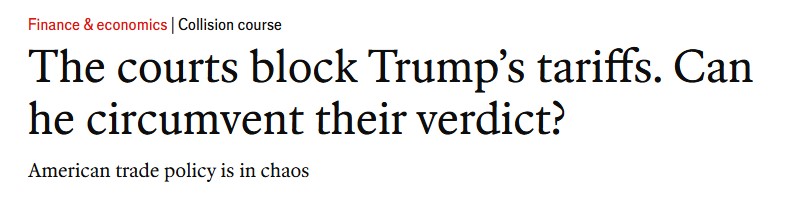
For long-term investors, the recent market turbulence serves as a reminder of the hazards of reacting emotionally to daily news cycles. While commercial media platforms often monetize fear and sensationalism to capture attention, foundational economic principles and historical market recoveries point toward resilience. As legal challenges and institutional checks and balances begin to address executive overreach in trade policy, market participants continue to place their bets on an eventual return to stability and the resumption of free-ish international commerce.