For more than four decades, animal welfare advocates at People for the Ethical Treatment of Animals (PETA) have maintained a firm and consistent stance on feline welfare: cats belong indoors. Organizations and rescue workers have long pointed out that felines forced to navigate the outdoors face a severe and continuous barrage of risks. From common parasites like fleas, ticks, and intestinal worms to catastrophic encounters with motor vehicles, predatory wildlife, hostile humans, poisons, and communicable diseases, the outdoor environment presents a constant hazard. Furthermore, unsterilized outdoor cats contribute directly to endless cycles of suffering through unplanned litters. Recognizing these stark realities, PETA’s adoption coordinators consistently strive to secure safe, indoor-only homes for every cat that enters their shelter system.
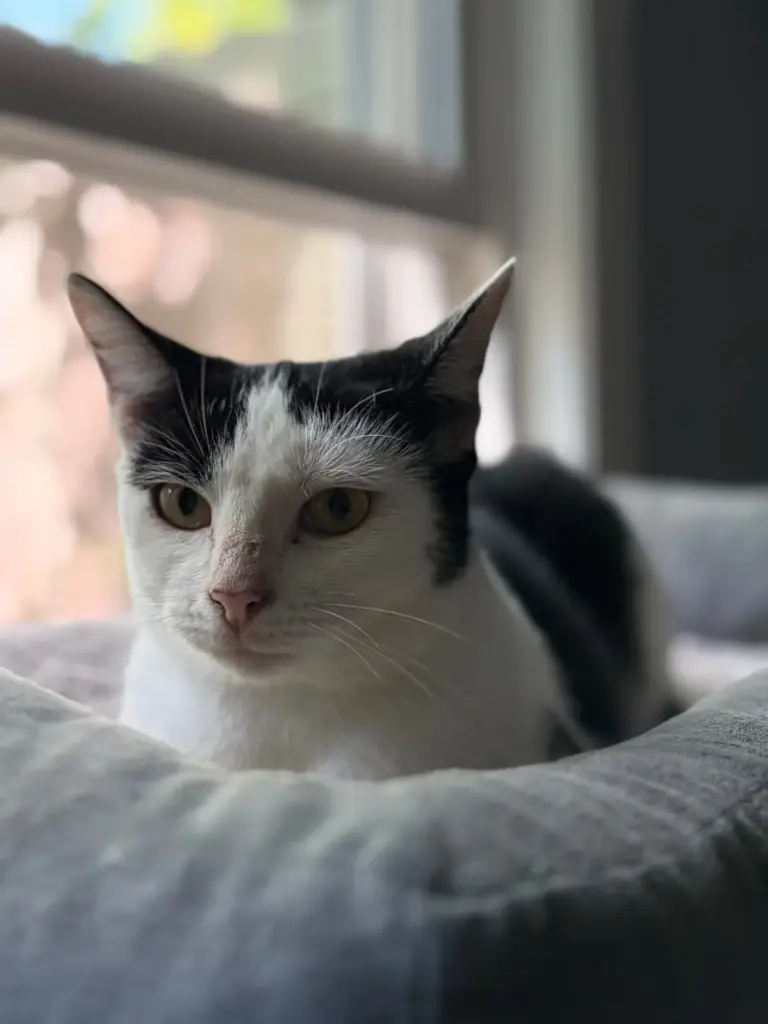
This philosophy recently came to life for a young black-and-white cat named Sky, whose journey from a precarious outdoor existence to the safety of a permanent indoor future highlights the complex challenges faced by free-roaming community cats. The situation began in Hampton Roads, where a well-intentioned local resident found herself caring for a growing group of hungry, free-roaming felines. What started as a compassionate act quickly escalated into an overwhelming financial and logistical burden. Feeding multiple cats and trying to provide necessary medical care strained the resident’s resources, while simultaneously drawing friction from neighbors who were unaccustomed to or frustrated by the influx of animals gathering around the property.
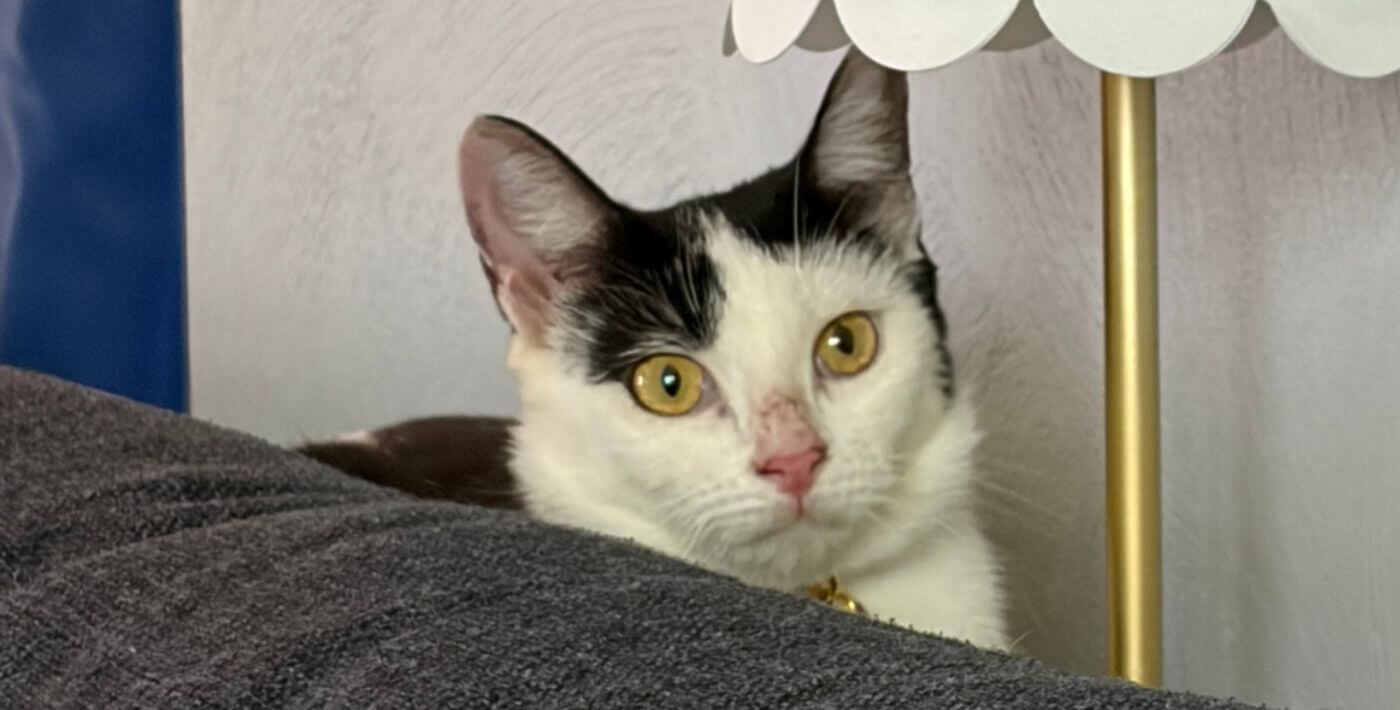
Compounding the financial strain was the emotional toll of witnessing the harsh realities of street life. The resident grew deeply concerned by the severe conditions these animals endured, noting instances of missing eyeballs, troubling and painful births, bleeding injuries, and the relentless distress of extreme summer heat. It became glaringly obvious that the arrangement was unsustainable and that a drastic intervention was required for the health and safety of the cats. For Sky, a striking feline member of this informal colony, the circumstances suggested an impending storm, but her trajectory was soon altered by a compassionate rescue effort.
The local resident managed to take in as many of the socialized cats from the group as her home could physically and financially accommodate. However, when she sought assistance from the local municipal shelter, she encountered a disheartening barrier. The facility had ceased intake operations for free-roaming cats, effectively leaving vulnerable animals to fend for themselves on the streets. Facing a dead end and desperate for a safe solution, the resident turned to PETA for help, relinquishing custody of Sky to the organization’s shelter staff.
Upon taking Sky into their care, shelter workers confirmed a reality that has become dishearteningly familiar in animal rescue work: Sky had previously been trapped, spayed, and abandoned as part of a trap-neovid-return or colony management effort. While this intervention had spared her from the burden of repeated litters, the designation of "colony cat" had done little to shield her from the myriad other environmental dangers that threaten outdoor felines every day. Despite having her basic nutritional needs met by the well-meaning neighbor, Sky remained exposed to the elements and the daily hazards of street life. Fortunately, for the demure black-and-white female, a much brighter chapter was just beginning to unfold.
Initially, adjusting to shelter life was not easy for the young cat. Prior to moving into a foster home managed by a PETA staff member, Sky displayed notably shy behavior, leading some observers to wonder if she might be too unsocialized for a traditional domestic environment. Recognizing her need for security and space, her new caretakers adopted a patient, respectful approach. They provided her with ample time to decompress, adjust to her surroundings, and learn that human presence signaled safety rather than danger.
Through a combination of time, patience, and a steadfast respect for her autonomy, Sky’s affectionate personality slowly began to emerge. The breakthrough moment arrived when she first leaned into a caregiver’s hand and began to purr while being petted—a welcome and heartwarming development for those monitoring her progress.
Transitioning from a foster environment to a permanent home represents another significant hurdle for a cat with a shy background. Because of this, PETA shelter officials have emphasized that Sky’s eventual adopter must be an experienced, cat-savvy individual capable of understanding and accommodating her sensitive nature.
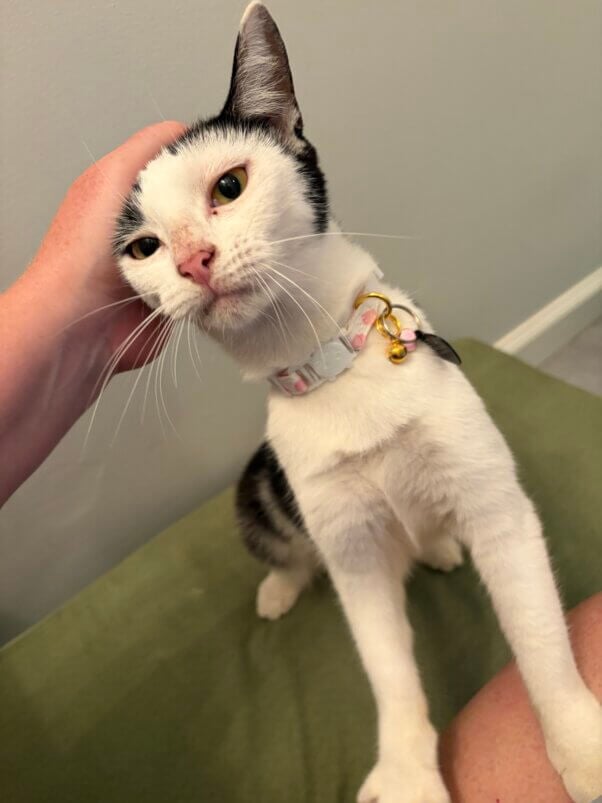
In her foster home, Sky has blossomed into an enthusiastic recipient of chin scratches and a model citizen regarding her litterbox habits. She has also developed a distinct fondness for the tiny human resident who shares her temporary living space, marking a remarkable transformation from her earliest days at the PETA shelter, where she spent much of her time hiding beneath a sheet. However, prospective adoption applicants are advised to remain patient, as she may experience a temporary behavioral backslide when she is moved into a new, permanent home. Consequently, she is not recommended as a companion for a first-time cat owner. Furthermore, to ensure her continued confidence and well-being, Sky will need to share her future home with at least one other confident, secure feline companion.
Help Adoptable Cat Sky Break Through the Clouds
Sky is approximately two years old, fully spayed, microchipped, and vaccinated. She is medically prepared and psychologically primed for a life where the forecast calls for nothing but clear skies and steady comfort.
While a flight-themed pun might fit her name, Sky’s designated PETA handler plans to keep all parties firmly grounded during the adoption process. Inquiries are warmly welcomed from prospective cat guardians located throughout the East Coast region. Individuals who believe they possess the ideal environment and the necessary feline experience to help Sky’s stars align are encouraged to reach out to PETA’s adoption coordination team via email to begin the application process.