Published September 5, 2026, at 6:01 AM
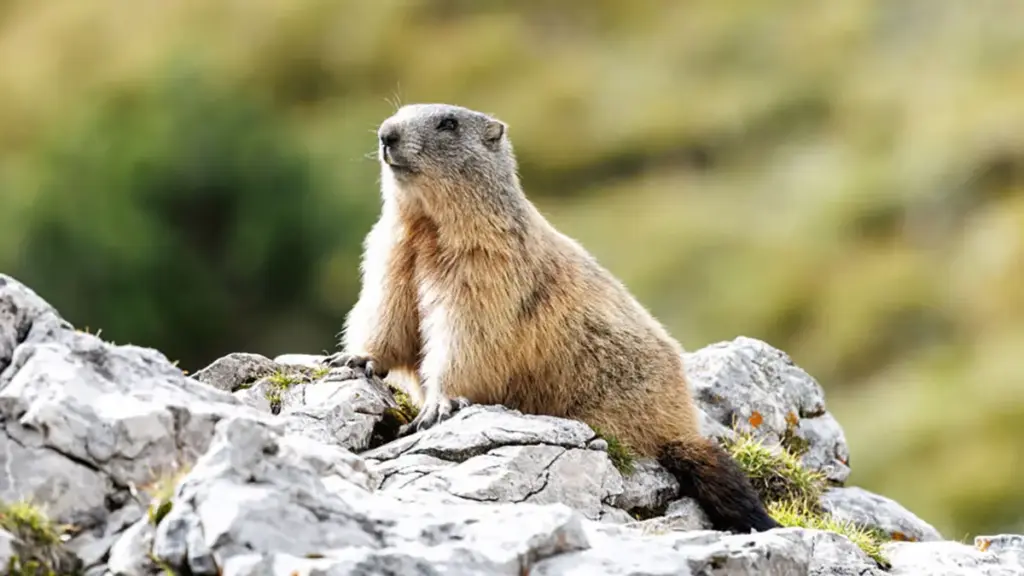
What is chubby, incredibly hairy, and possesses an insatiable urge to lick rocks?
If your mind immediately jumps to a particularly bedraggled Pacific Crest Trail thru-hiker after weeks in the backcountry, think again. The answer is a marmot—the quintessential cute and cuddly high-alpine rodent that has quietly, yet forcefully, taken the internet by storm.
Across social media platforms this month, feeds have overflowed with viral content featuring these stout mountain dwellers. But behind the viral videos, the online voting contests, and the undeniable charm of these furry creatures lies a complex ecological reality. From unauthorized mountain encounters that result in steep federal fines to unprecedented climate-driven population shifts, the marmot moment captures both the internet’s obsession with wildlife and the delicate vulnerabilities these animals face in a changing world.
The modern marmot craze arguably reached a tipping point in mid-August, when outdoor influencer Jared Shult published a video documenting a remarkably charismatic marmot at Mount Rainier National Park. In the footage, the animal brazenly approaches Shult, hugging his leg with a mix of curiosity and casual familiarity. Shult captured himself petting and stroking the critter, a piece of content that charmed millions online but quickly drew the attention of federal authorities. Because National Park Service regulations strictly prohibit visitors from touching, feeding, or disturbing wild animals—regardless of how approachable or adorable they might appear—Shult was subsequently fined $230 for the interaction.
As it happened, Shult’s viral video arrived with auspicious timing, coinciding neatly with the launch of Colorado’s inaugural Fat Marmot Week. Modeled after the beloved Fat Bear Week, this highly entertaining online conservation contest is operated by the Rocky Mountain Biological Laboratory’s (RMBL) Marmot Project, which studies yellow-bellied marmots outside of Crested Butte, Colorado. Organizers pitted eight hefty contenders against one another, asking wildlife fans to vote on which yellow-bellied marmot successfully packed on the most weight ahead of the brutal winter hibernation season. The coveted crown ultimately went to a particularly robust contender named Dawn, who managed to pack on an astonishing 4.5 pounds—roughly half his total body weight—over the course of the summer.
With these dual viral moments driving public interest, the internet has spent weeks marveling at endless loops of marmot antics. Viewers have watched clips of marmots licking GoPro cameras, embracing one another in alpine meadows, and meticulously munching on small rocks. These videos invite an instinctive chorus of affection, presenting the animals as living, breathing stuffed toys capable of remarkably human-like gestures.
Yet, beneath the veneer of internet-friendly cuteness lies a sobering reality: marmots are wild, undomesticated creatures driven by primordial instincts, territorial habits, and an unrelenting search for survival resources. When human boundaries blur, marmots can quickly transition from lovable mountain mascots to disruptive neighbors. A recent report published by the Wall Street Journal detailed accounts of marmots "terrorizing" visitors in California’s Sequoia National Park. According to the report, the enterprising rodents have made a habit of licking hikers, swiping unattended shoes, and occasionally breaking into parked vehicles. More destructively, marmots have been known to slip into the engine compartments of cars left parked at trailheads, chewing through vital cables, wires, and hoses in search of shelter or sustenance.
To better understand the science behind these behaviors and the broader ecological pressures facing the species, outdoor observers and researchers alike turn to leading experts in the field. Among them is Professor Daniel Blumstein of the Department of Ecology and Evolutionary Biology at the University of California, Los Angeles. Blumstein also oversees the Marmot Project at the RMBL, spending his summers conducting fieldwork among the populations near Gothic, Colorado. According to Blumstein, the encounters driving viral videos and trailhead property damage are rooted in basic behavioral traits inherent to the species.
Marmots Are Naturally Curious
That marmot that crawled into a visitor’s car engine compartment was not plotting an elaborate scheme to strand motorists deep in a backcountry parking lot. Rather, the animal was simply exercising its innate curiosity—a hallmark trait of the species, Blumstein explained.
That same unchecked inquisitiveness explains why the marmot approached Shult at Mount Rainier. Driven by a lack of fear and a constant search for food sources, these animals investigate novel situations with bold determination. Unfortunately, this curiosity frequently places marmots in perilous situations. Blumstein noted that he has witnessed marmots climb into vehicles in Colorado only to be inadvertently transported far from their native mountain habitats.
"One made it to the Phoenix area a few years ago and had to be flown back," Blumstein said, illustrating the bizarre outcomes of human-wildlife overlap. "Once in a car, havoc sometimes results."
Marmots Want Salt
For those bewildered by viral footage of marmots licking boulders, chewing on pebbles, and gnawing at strange surfaces, the explanation lies in a lifelong biological deficit. The normal diet of grasses, forbs, and meadow vegetation found in the alpine tundra is naturally low in sodium. Consequently, marmots experience a persistent salt deficiency, compelling them to seek out the mineral wherever it can be found in the rugged high-country landscape. This often manifests as licking mineralized deposits directly out of stone.
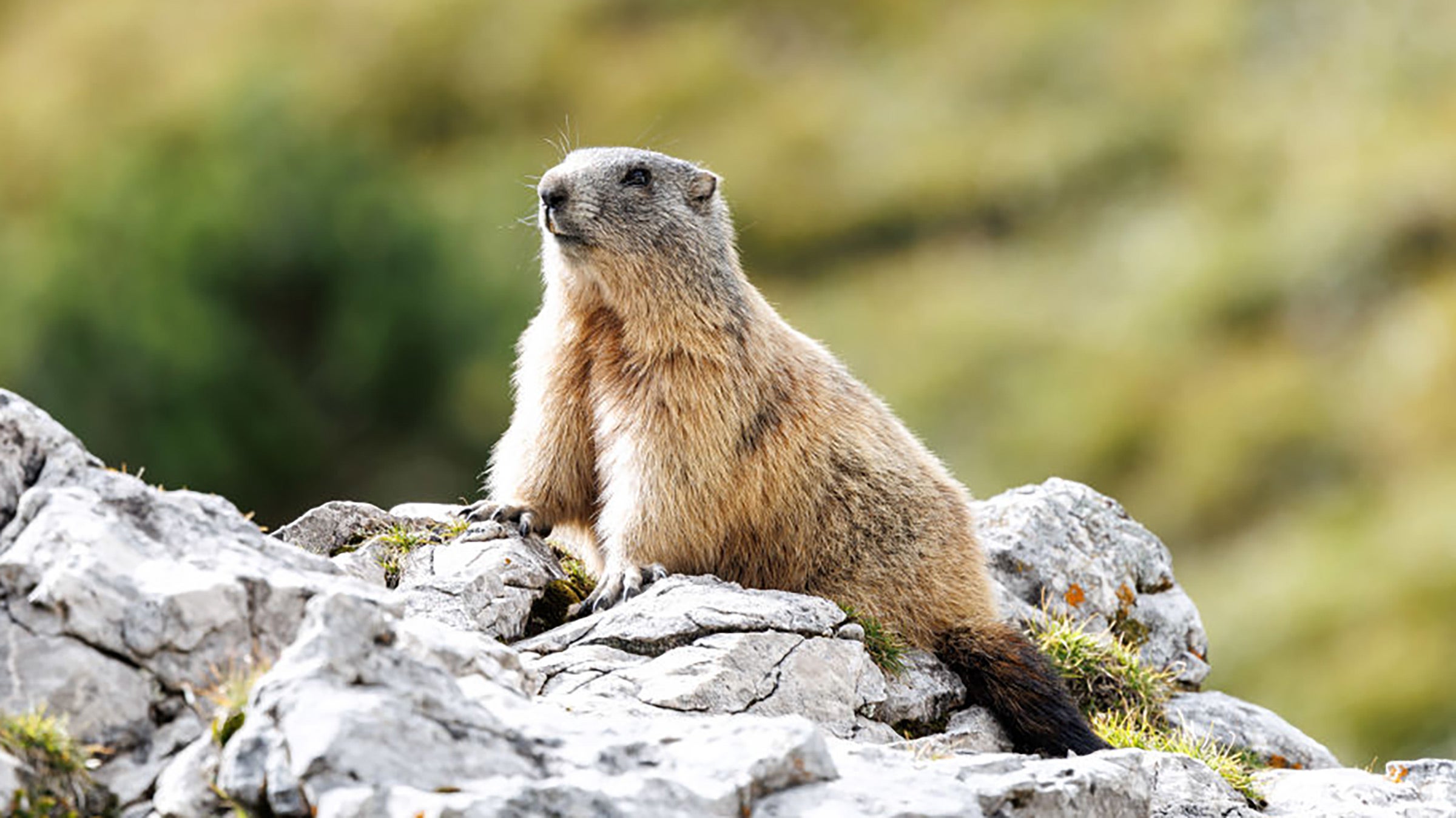
Blumstein believes this intense physiological drive for salt may also explain why marmots are drawn to automobiles and parking lots.
"I’m told that radiator fluid tastes salty to animals," he noted. "It’s also possible that radiator hoses taste good to them!"
Marmots Die When the Snowpack Is Thin
While internet users celebrate the plump victors of seasonal weight-gain contests, the reality of surviving a high-altitude winter is exceptionally grim. This year, the RMBL documented a tragic mass mortality event among its studied marmot populations—the largest die-off recorded since scientists began monitoring the Crested Butte colonies decades ago. Out of 160 marmots under active observation, an alarming 100 perished during the winter of 2025–2026.
This catastrophic loss directly corresponded with Colorado recording its thinnest snowpack in more than 40 years. Blumstein and his research team have established a direct link between the dismal snow levels and the high mortality rates. Like many specialized mountain mammals, marmots spend the winter months in deep hibernation. However, without adequate environmental insulation, many individuals that retreat underground in the autumn fail to survive until spring.
"Snow is insulation, so the snowpack acts as a blanket to keep the marmots warm over the winter," Blumstein explained. "It’s possible that those who were more likely to die were colder this year because they had less of a snowpack covering them."
They Also Die When the Snowpack Is Too Thick
The delicate ecological balance required for a marmot to survive highlights the precariousness of alpine life. While a thin snowpack exposes hibernating animals to lethal cold, an excessively thick snowpack can prove equally fatal. In years of heavy snowfall, marmots may starve to death while trapped underground, forced to wait out an extended winter as deep drifts delay the seasonal emergence of fresh grass and flowering plants. Furthermore, heavy snowpacks can leave emerging colonies vulnerable to opportunistic predators lying in wait as the animals dig out of their burrows.
"We’ve seen both happen in heavy snow years," Blumstein added, emphasizing the narrow margin of error defining mountain survival.
Hibernating Is a Superpower
Despite the lethal hazards of winter, the physiological mechanics of marmot hibernation remain one of nature’s most astonishing feats. Much like bears, yellow-bellied marmots must gorge themselves throughout the late summer and early autumn months, accumulating thick layers of fat to sustain them through months of dormancy.
Once underground and inactive, however, the marmot’s metabolism shifts into a miraculous state of efficiency. A hibernating yellow-bellied marmot will burn a mere paperclip’s weight of fat each day. Remarkably, during this prolonged period of dormancy, the animal’s biological aging process essentially pauses.
"Hibernation is a secret to longevity," Blumstein said. "Except that to live longer you have to miss ski season."
Even Scientists Think They Are Cute
For all the scientific data, climate concerns, and management warnings, even seasoned field researchers are not immune to the undeniable charisma of their subjects. Blumstein noted that one of his favorite characteristics of marmots is their site fidelity—the tendency of individual animals to return to the exact same trailheads, rocky slopes, and mountain meadows year after year.
That means if the charismatic marmot that famously hugged Shult manages to survive the hazards of the upcoming winter, he will likely return to Mount Rainier to greet visitors once again. As wildlife officials continue to remind the public, however, appreciation is best kept at a distance. Admire them from afar, photograph them without physical contact, and leave the high-alpine environment to its rightful, furry residents.
For researchers and casual observers alike, the allure remains hard to shake. As Blumstein observed, "Plus, they look like little buddhas."