
With the viral "fibermaxxing" fad encouraging people across social media to prioritize a chronically neglected nutrient, a persistent issue continues to surface across doctor’s offices and wellness columns alike: the uncomfortable and often painful side effects. As vital as hitting a daily fiber target is for overall wellness, the human body does not always make achieving that goal an easy transition. Because dietary fiber is notoriously difficult for the upper digestive system to break down completely, it must be handed off largely to the bacteria residing in the colon—which is, fundamentally, the primary point of consuming it. However, piling on too much fiber too fast can overwhelm this delicate biological system, resulting in a barrage of awkward, inconvenient, and sometimes agonizing digestive symptoms, including heavy bloating, uncomfortable gas, sharp stomach cramps, and general gastrointestinal distress.
Despite these common hurdles, experts emphasize that temporary gastrointestinal distress should never be taken as a sign to completely abandon the pursuit of a higher-fiber diet. Desiree Nielsen, a registered dietitian and recipe developer with a primary focus on plant-based nutrition, notes that even with fiber becoming a rapidly growing cultural trend, people still drastically underestimate its profound importance and the vast array of ways it benefits the human body. Most individuals are likely already familiar with fiber’s premier reputation for keeping the stomach feeling full, staving off stubborn constipation, and supporting overall gut health. Yet, as health professionals point out, the nutrient wears plenty of other essential hats, such as lowering levels of low-density lipoprotein cholesterol—often referred to as "bad" cholesterol—and helping to stabilize blood sugar levels throughout the day, not to mention significantly reducing the long-term risk of developing a wide range of chronic diseases. In fact, overlooking fiber is widely considered by nutritionists to be one of the top dietary mistakes people make.
For anyone who feels deeply apprehensive at the prospect of fighting constant stomach discomfort in an effort to correct an underlying fiber deficiency, the hesitation is entirely understandable. It is a frequent complaint heard on a daily basis by medical professionals like Dr. Lisa Ganjhu, a gastroenterologist at NYU Langone Health. Patients frequently report that after attempting to eat more fiber to improve their health, they are met with severe bloating and cramping instead. Fortunately, health experts point out that there is an effective way to curtail those disagreeable side effects so that individuals can comfortably continue their nutritional journey. It is a progressive strategy that Desiree Nielsen calls "fiber training."
What Exactly is Fiber Training?
Fiber training is conceptually straightforward, functioning much like the name implies: it is the deliberate process of training the digestive system to handle and process fiber much more efficiently. According to Nielsen, the core philosophy revolves around implementing slow, consistent increases in fiber intake to help the body build up its internal tolerance while minimizing potential adverse symptoms.
To better understand the concept, experts often draw comparisons to physical conditioning. Just as an individual would not step outside and attempt to run a grueling marathon tomorrow if they had never run a single mile prior, building up to a high-fiber diet requires patience, pacing, and gradual preparation. Dr. Ganjhu compares the process to a traditional weightlifting regimen. Rather than attempting to lift heavy weights right off the bat, a person must adjust slowly, starting at a lighter load, and only progressing once the body has fully adapted to the current strain.
This progressive approach to fiber training is considered especially critical for individuals who are already experiencing constipation at the outset of their dietary changes. While adequate fiber intake is ultimately one of the best tools for preventing and alleviating sluggish bowel movements, introducing a massive amount of fiber to an already backed-up system can paradoxically make the existing issue significantly worse by overwhelming the gastrointestinal tract. Nielsen uses the analogy of a highway bottleneck to describe this phenomenon, explaining that attempting to force four lanes of traffic into a single lane will inevitably result in a major traffic jam. When a sluggish system is suddenly flooded with roughage, the transit time and digestive capacity stall out, causing increased pressure, gas, and discomfort.
How to Start Fiber Training
Understanding that fiber training entails a steady, measured increase in intake naturally leads to questions about what that approach looks like in practical terms. To contextualize the process, federal dietary guidelines provide a clear baseline for daily requirements. Per the official Dietary Guidelines for Americans, women between the ages of 19 and 30 should generally aim for 28 grams of fiber daily, dropping to 25 grams daily from ages 31 to 50, and 22 grams daily starting at age 51. Many nutritional experts actually recommend aiming even higher, providing a helpful set of parameters for anyone unsure of where their personal baseline should land.
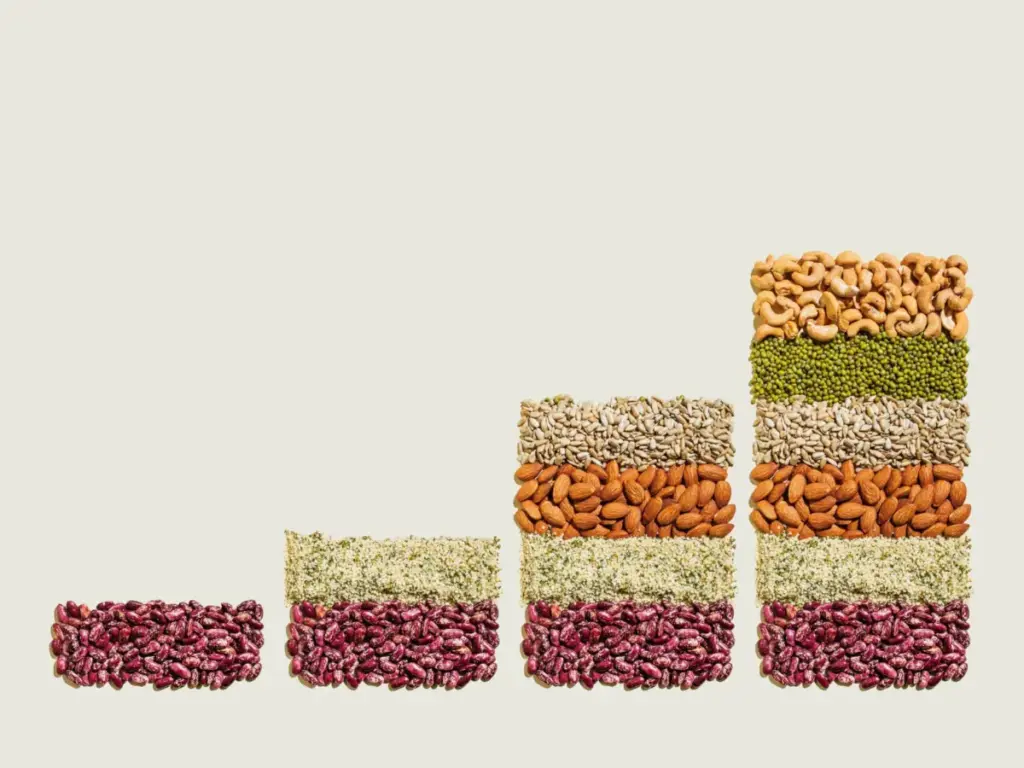
While the ideal amount of fiber to add during the training phase can vary significantly from person to person depending on individual health needs, most people find success by adding roughly three to five grams of fiber at a time. To execute this method practically, an individual can select a whole food item that fits squarely within that specific fiber range—such as a medium apple containing about four grams of fiber, a half-cup of chickpeas yielding around five grams, a single tablespoon of chia seeds providing roughly five grams, or two tablespoons of ground flax offering about four grams.
The strategy requires eating that chosen serving size every single day until the body has fully adjusted. Signs of successful adaptation include an absence of any new or worsening bloating, excessive gas, or other unwanted gastrointestinal side effects. This adjustment period typically takes anywhere from five to seven days for most people, though every human digestive system is uniquely wired. Experts emphasize that listening to one’s own body and individualizing the rate of increase is paramount, meaning there is no harm in taking extra time if necessary.
Once the body demonstrates comfort at a new baseline, another small dose can be tacked on—such as moving from a single apple to a second one, or doubling a seed or legume portion. Continuing to increase dietary fiber in these small increments and at a measured pace allows individuals to steadily scale up until they finally reach their daily target. For instance, a person starting completely from scratch would require multiple gradual steps over several weeks to reach their age-appropriate target without shocking their system.
Important Fiber Training Tips to Keep in Mind
For individuals who struggle specifically with chronic constipation, medical and nutritional professionals suggest tailoring the fiber-training process by choosing foods that are low in fermentable oligosaccharides, disaccharides, monosaccharides, and polyols, collectively known as FODMAPs. These specific types of fermentable carbohydrates are notoriously hard on sensitive stomachs and can easily exacerbate discomfort. Because upping fiber too quickly when backed up can backfire, low-FODMAP fiber sources present a much safer bet than their high-FODMAP counterparts. Fresh kiwis, which contain roughly four grams of fiber in a standard two-fruit serving, are highlighted by experts as an exceptionally strong option for this exact demographic, having even been specifically studied as a dietary treatment for constipation.
Additionally, gentle fiber supplements made from natural sources like psyllium husk can offer many of the same physiological benefits while proving notably less irritating to a troubled or sensitive digestive tract. Another crucial element for anyone dealing with sluggish digestion is adequate fluid intake. Because dietary fiber relies heavily on water to perform its natural stool-softening mechanics, failing to consume enough liquids can leave bowel movements hard, dry, and difficult to pass, thereby worsening the very problem the fiber was meant to solve.
Ultimately, taking a slow-and-steady approach when overhauling one’s diet should help ease the physical transition to a significantly higher intake of plant matter and whole grains. As medical experts note, dumping a massive amount of fiber onto a colon that is entirely unaccustomed to processing it will predictably lead to inefficiency and distress. By leveling up little by little, individuals can successfully enhance their internal digestive fitness and bypass the awkward, painful transition phase entirely.